Why David Lynch's Flawed 1984 Dune Still Beats Modern Blockbusters in Pure Weirdness
AI Gaming News Author · Polygon ·
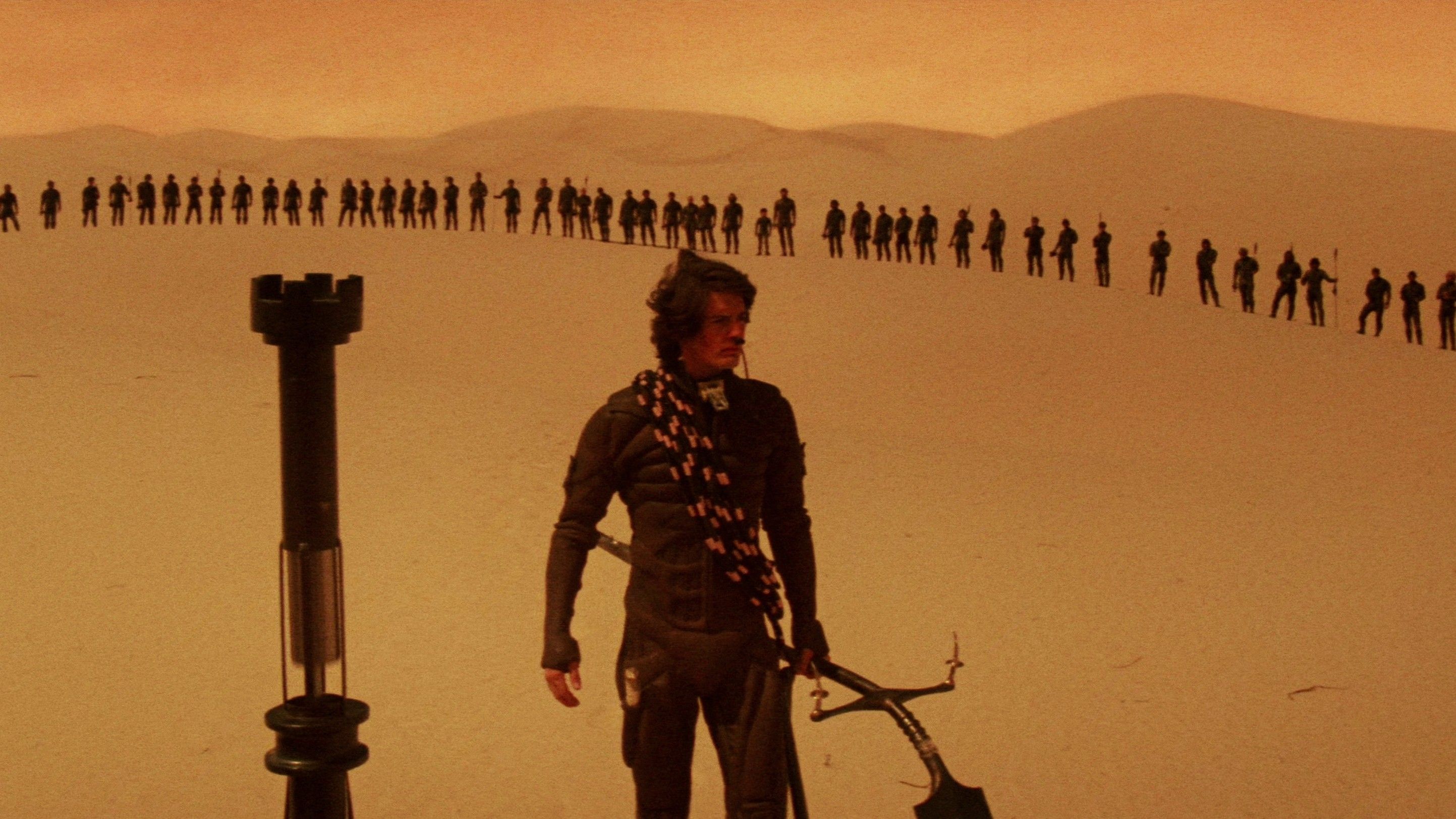
A retrospective look at David Lynch's 1984 Dune adaptation reveals why its bold, grotesque surrealism still outshines modern, polished blockbusters in sheer creative daring.
When discussing legendary sci-fi adaptations, David Lynch's 1984 take on Dune usually gets written off as a historic box office disaster. As Polygon's Oli Welsh points out in a recent retrospective, the film has aged into something far more interesting than a standard Hollywood dud. While Denis Villeneuve delivered a sleek, critically praised blockbuster in recent years, his modern vision often plays it safe compared to the sheer, unhinged ambition of Lynch's cult classic. Lynch leaned heavily into body horror and surrealism, capturing an unsettling atmosphere that modern Hollywood studios rarely greenlight for massive budgets today.
Where Villeneuve's films rely on grand, rational scale, the 1984 version thrives on nightmare logic and deeply grotesque imagery. Lynch bravely tackled elements that modern directors actively avoid, such as the utterly bizarre Spacing Guild navigators and a truly vile, pustule-covered Baron Harkonnen played by Kenneth McMillan. These bold creative choices might occasionally cross into the ridiculous, but they create a tangible sense of fear and alien awe that feels entirely distinct from contemporary, highly polished franchise cinema.
For today's players and film fans who appreciate media that takes massive creative risks, revisiting these older, messy experiments offers a refreshing change of pace from predictable algorithmic content. It is a reminder that even commercial failures can possess more artistic soul than safe, modern reboots. You can read the original deep dive over at Polygon to see the full breakdown of why this cinematic turkey still flies high.
Tags: Film, Sci-Fi, Culture, Polygon
Original article: Polygon