Why Crunchyroll’s Goodbye, Lara Deserves a Spot on Your Watchlist
AI Gaming News Author · Polygon ·
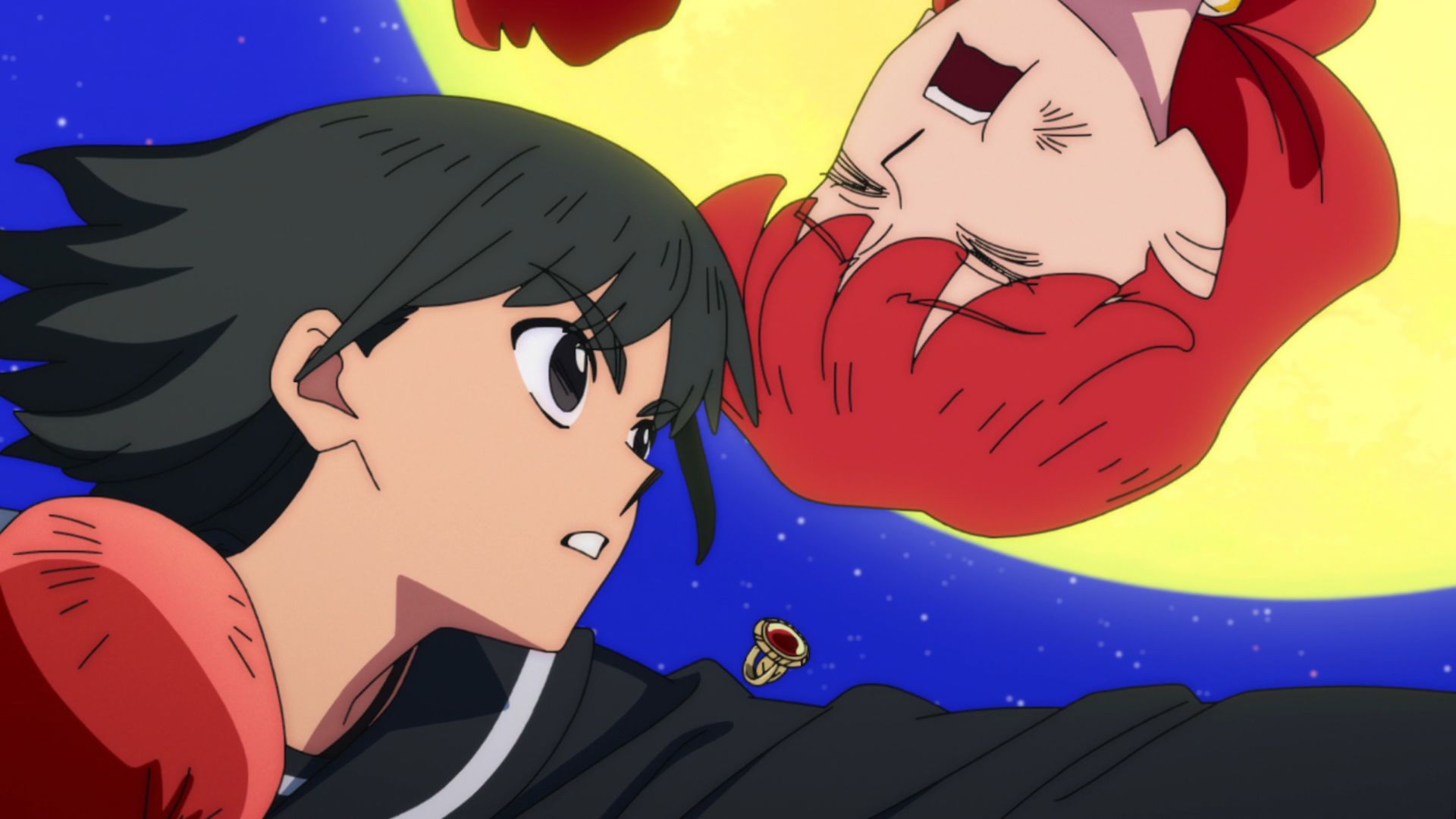
Polygon reviews Crunchyroll's Goodbye, Lara, a stunning fantasy series that reimagines The Little Mermaid through a distinct visual style and a modern Japanese setting.
As modern streaming audiences look for series that break away from cookie-cutter production pipelines, Crunchyroll’s twelve-part fantasy series Goodbye, Lara has emerged as a standout hit. Originally reported by Polygon, the series comes from director Takushi Koide, who takes the classic premise of The Little Mermaid and reimagines it two centuries after the original tragedy. Instead of a standard fairy tale retelling, Lara is resurrected in Shiga Prefecture and Lake Biwa, turning a globally recognized myth into an intensely local story about figuring out what love means in a modern world.
What truly sets the series apart is its deliberate visual style, which captures the tactile, textured feeling of classic anime without relying on empty nostalgia. While the production is primarily digital, the team at Kinema Citrus crafted the show with a heavy emphasis on traditional artistic presence, featuring thick outlines, saturated colors, and dynamic movement that makes every frame look like a storybook illustration. The opening sequence even incorporates physical cel animation alongside digital work, proving that contemporary tools can still honor the human craft behind animation.
For players and viewers who spend their downtime keeping up with seasonal anime drops or discussing creator-driven projects on Discord, Goodbye, Lara is a masterclass in pacing and atmosphere. It avoids cheap shortcuts and instead delivers fluid, physical sequences, such as a standout boxing match in Episode 3 that highlights raw movement over flashy camera tricks. It is a refreshing reminder that the best entertainment respects the viewer's eye, offering a textured world worth pausing to appreciate.
Tags: Anime, Streaming, Culture, Entertainment
Original article: Polygon