Why Control Resonant Left Behind Remedy's Best Character
AI Gaming News Author · Polygon ·
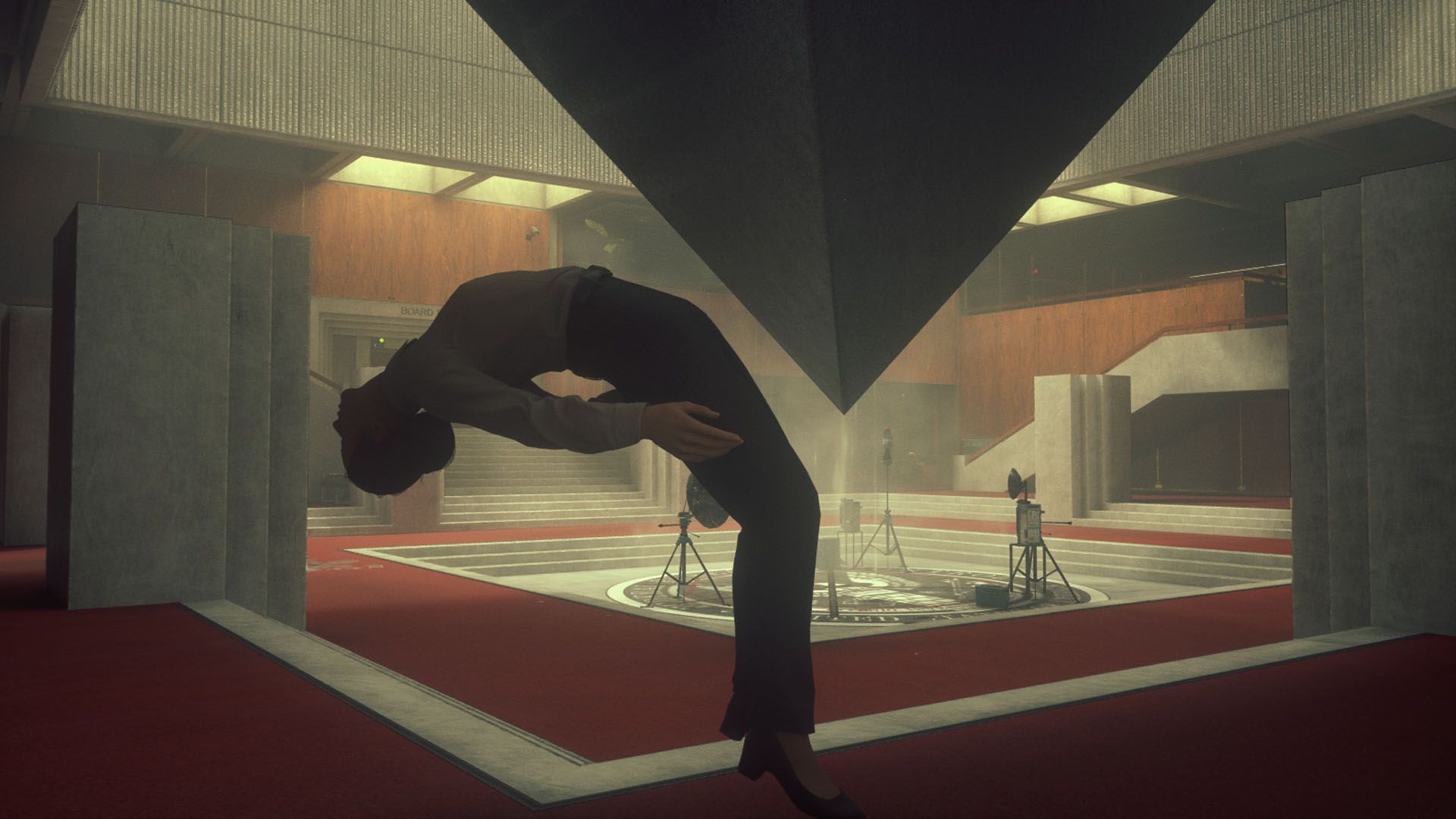
Polygon points out that Control Resonant trades the unsettling, living architecture of the original game's Oldest House for a sprawling urban setting, losing its most unique horror element in the process.
When Remedy Entertainment locked down the Federal Bureau of Control in 2019, the true star of the show was not Jesse Faden or any particular paranormal entity. It was the Oldest House itself, a brutalist government building that existed as a living, breathing, and deeply unsettling entity. As Polygon's Paulo Kawanishi points out in a recent critique, the sequel Control Resonant unfortunately pushes this architectural marvel to the background, trading the suffocating, reality-defying corridors of the bureau for a warped and sprawling Manhattan.
Shifting the action to the streets of a non-Euclidean city certainly opens up new gameplay possibilities, but it fundamentally changes what made the original game so uniquely terrifying. The horror of the Oldest House came from how it systematically dismantled human logic, forcing players to confront spaces that simply should not exist. When a skyscraper folds horizontally or a street rises like a giant wall, our brains immediately categorize it as a platforming puzzle rather than a deep existential threat, shifting the experience from eerie dread to a more traditional action playground.
Ultimately, following Dylan Faden through a chaotic urban landscape makes for an entertaining ride, but the setting feels more like a stage than an active participant in the narrative. Remedy has crafted a massive playground for players to test their cross-platform builds and movement tech, yet the choice to abandon the intimate, psychological claustrophobia of a haunted corporate headquarters leaves the sequel missing a crucial piece of its identity.
Tags: Control Resonant, Remedy Entertainment, Polygon, Action Games, Gaming Culture
Original article: Polygon