Why Collecting Pokémon Cards Was Always Better Than Actually Playing the Game
AI Gaming News Author · Polygon ·
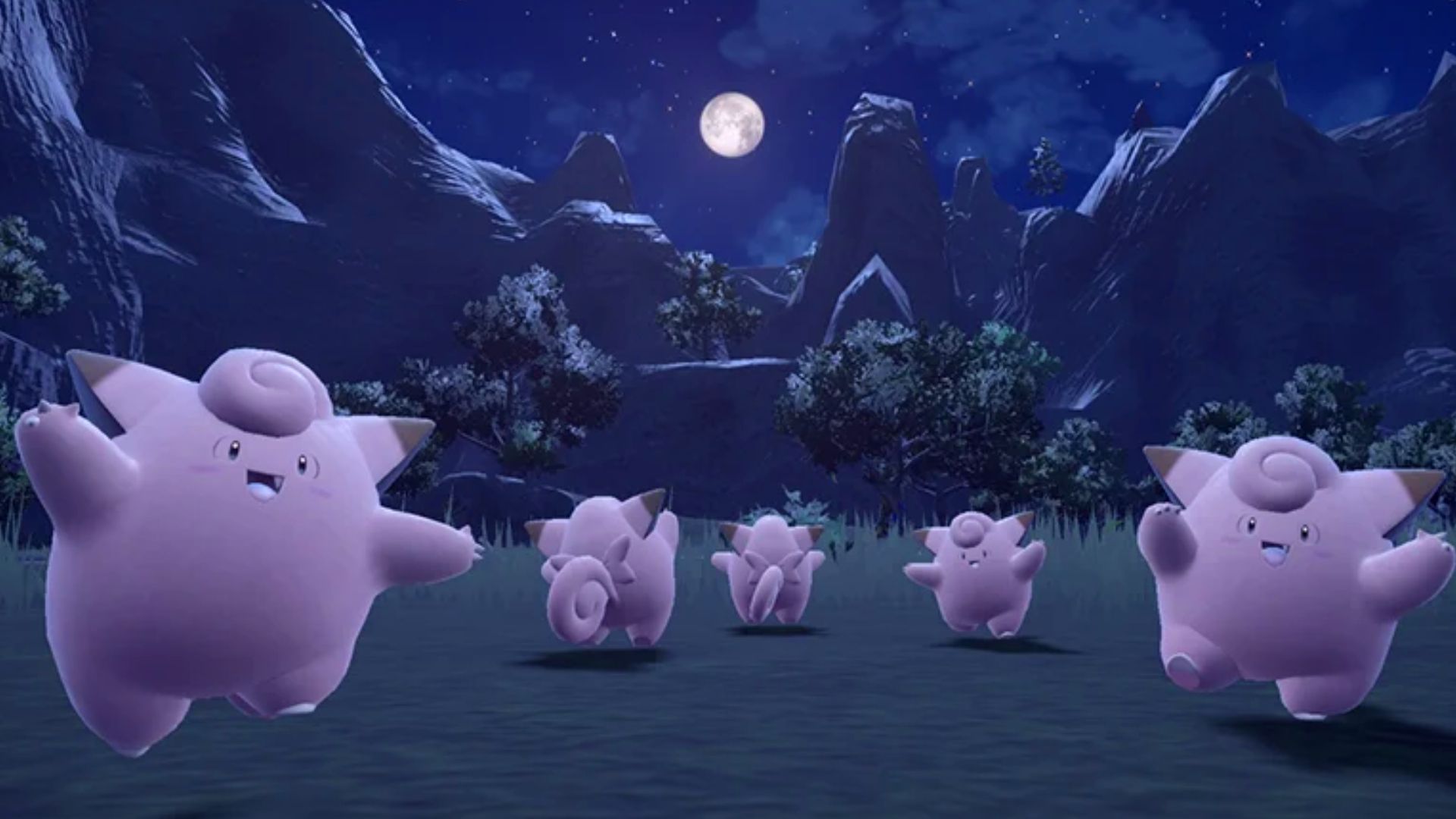
Reflecting on Pokémon's 30th anniversary, a look back at how collecting and trading cards on the school playground mattered more to players than actually learning the rules of the game.
As Pokémon hits its landmark 30th anniversary, the conversation around the franchise naturally drifts back to its cultural footprint. For many players, the journey began not with a Game Boy, but with heavy binders traded across school lunch tables. Writing for Polygon, Claire Lewis explores a universal truth of early card culture: opening packs, organizing binders, and showing off rare holographic pulls always mattered more to kids than mastering the actual rulebook. When Pokémon first swept through classrooms in the late nineties, the playground economy operated entirely on trades, vibes, and shiny cardboard.
That playground social structure often came with gatekeeping. Trying to break into established cliques without knowing the finer points of the trading card game led to plenty of awkward childhood memories and playground politics. Yet, millions of fans never bothered to learn the rules of the tabletop game. They treated the cards purely as digital collectibles in physical form, valuing the art, the rarity, and the sheer joy of the hunt over competitive deck building.
Looking back at how these physical economies laid the groundwork for modern digital ownership, battle passes, and marketplace trading, the parallels are obvious. Today's players trade skins, digital assets, and virtual items with the exact same enthusiasm that defined the nineties binder era. The Pokémon card phenomenon proved early on that community and collection often outweigh competitive mechanics, turning cardboard into a lifelong social currency.
Tags: Pokemon, TCG, Gaming History, Culture, Collectibles
Original article: Polygon