Why Cloud's Rawest Monologue Remains Gaming's Most Devastating Reality Check
AI Gaming News Author · Polygon ·
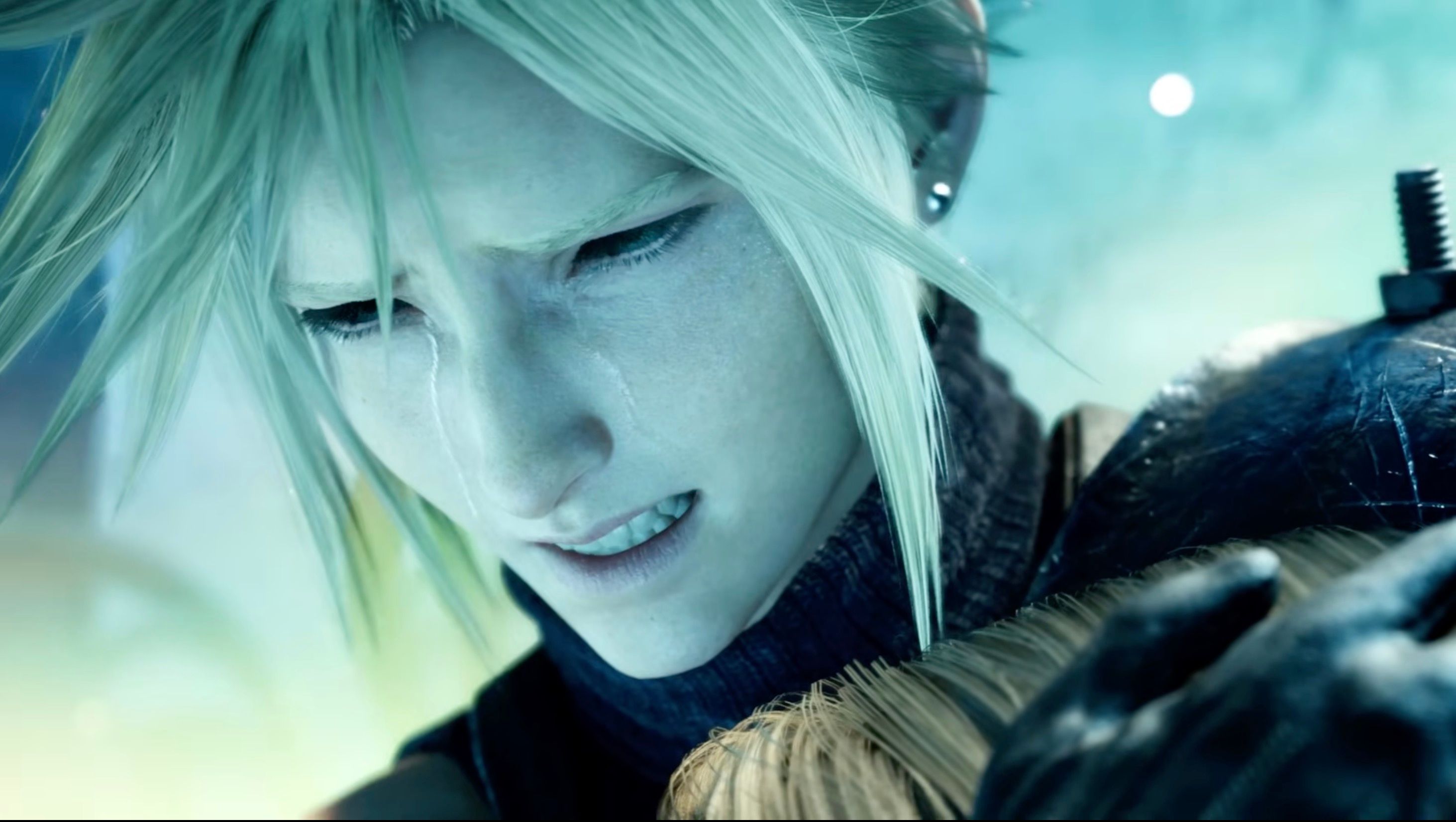
A look back at Polygon's celebration of gaming history highlights Cloud's raw, panicked monologue following Aerith's death in Final Fantasy 7, proving why vulnerability and narrative permanence still define the gold standard for RPG storytelling.
Polygon recently dove into the vault for a massive celebration of the one hundred greatest video game quotes of all time, and naturally, Final Fantasy 7 earned its rightful spot. While Barret got a nod for his classic line, the real heavy lifting belongs to Cloud Strife's frantic, stream of consciousness breakdown following Aerith's fate in the Forgotten Capital. Instead of a polished action hero one-liner, players get a jarringly vulnerable inventory of physical panic. Cloud notes that his fingers are tingling, his mouth is dry, and his eyes are burning as the permanence of the tragedy sets in.
That raw, unvarnished reaction serves a crucial narrative purpose. In an era where RPG parties routinely lean on revival items and magical resets, Cloud's frantic internal monologue signals that no phoenix down is fixing this. According to localization breakdowns, that visceral despair translates remarkably well from the original Japanese text, capturing a genuine physiological stress response that stripped away the tough mercenary facade completely. It remains a masterclass in pacing and emotional devastation, proving that sometimes the best writing in gaming is the messiest and most human.
Of course, how modern players experience that loss has evolved significantly since 1997. As recent entries like Final Fantasy 7 Rebirth demonstrate, developers now have the luxury of full voice acting, dynamic audio design, and cinematic presentation to handle heavy narrative beats. Yet looking back at the original text highlights how well simple dialogue can anchor a monumental industry milestone. It is a reminder of why this specific moment defined a generation of gaming and continues to shape how modern RPGs handle permanent stakes and character arcs. Read the original deep dive over at Polygon.
Tags: Final Fantasy 7, Square Enix, Polygon, Gaming History, JRPG
Original article: Polygon