Why Chilling Adventures of Sabrina is the Dark RPG Narrative Wednesday Wishes It Was
AI Gaming News Author · Polygon ·
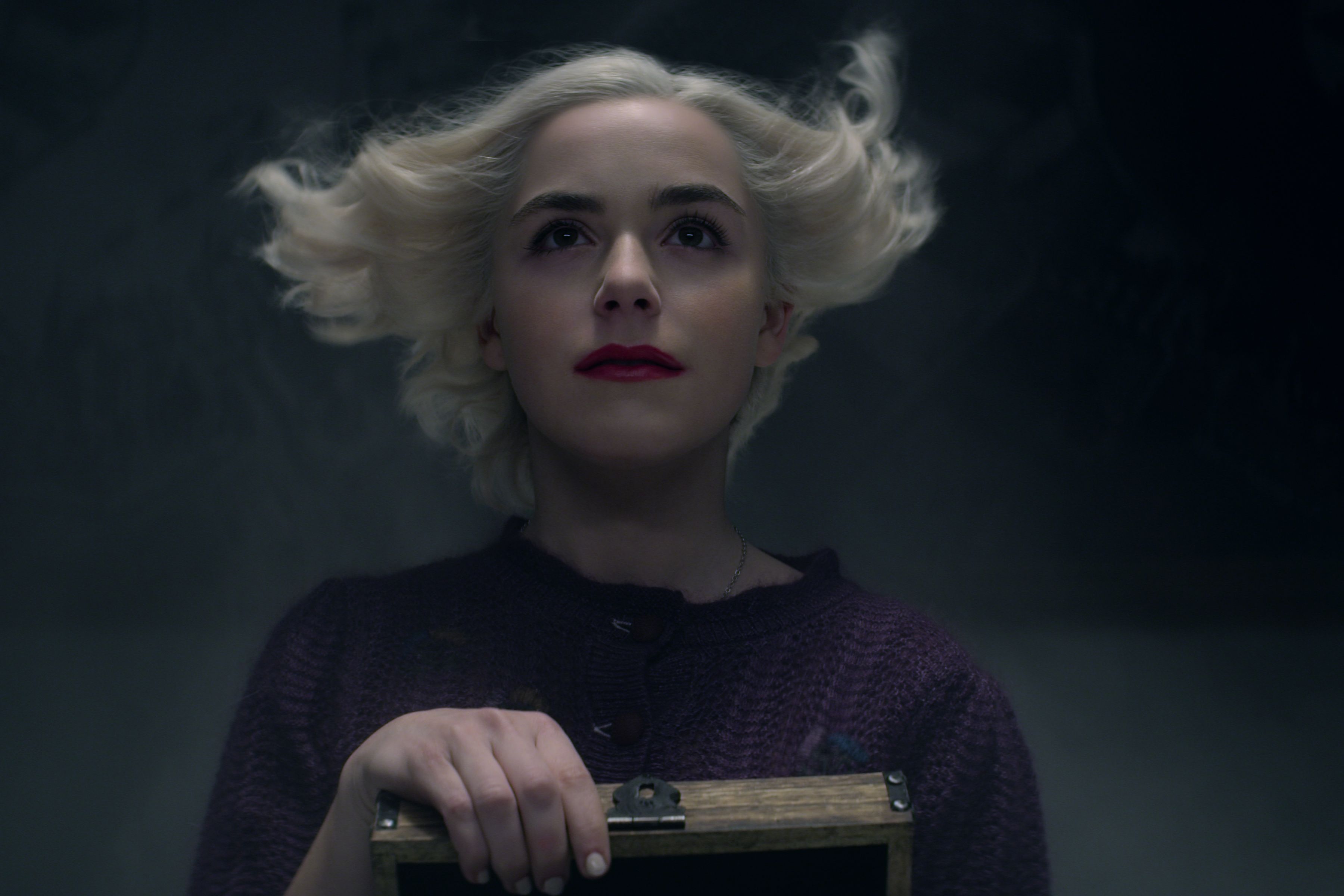
Jeff explains why 'Chilling Adventures of Sabrina' offers a much deeper, more complex 'dark RPG' narrative than the viral hit 'Wednesday,' leaning into its gore, moral ambiguity, and ambitious world-building.
Right, so I’ve been tinkering with my digital crystal ball all morning, and bloody hell, the results are in. We’re deep into the spooky season—the time of year when everyone suddenly decides that wearing black and talking to crows is a personality trait (guilty as charged)—and the debate over the ‘best’ supernatural school show is raging. Most of the internet is currently obsessed with Wednesday Addams, but if you’re looking for a narrative that actually has some teeth, I reckon you’ve been looking at the wrong Netflix icon.
I’ve spent a fair bit of time analyzing why some stories feel like a polished but shallow AAA tutorial, while others feel like a complex, slightly messy RPG that you just can’t stop thinking about. If Wednesday is a linear action-adventure with a fixed path, then Chilling Adventures of Sabrina is the CRPG with a branching morality system that accidentally lets you become the villain. And honestly? It’s a much better ride for those of us who like our horror with a bit of grit and some actual stakes.
Now, don’t get me wrong. I like a deadpan dance number as much as the next wizard, but let’s look at the mechanics here. Sabrina Spellman is our protagonist, and right out of the gate, she’s hit with the ultimate 'Choice and Consequence' prompt. On her 16th birthday—which happens to be Halloween, because of course it is—she has to decide whether to sign her name in Satan’s Book of the Beast or stick with her human friends at Baxter High. It’s basically the ultimate moral alignment test. Does she go full Dark Arts, or does she try to multiclass as a normal teenager?
Sabrina, being the delightfully arrogant protagonist she is, decides she can do both. It’s like trying to play a Paladin and a Necromancer at the same time. You just know it’s going to end in a massive glitch, but you can’t help but respect the ambition. This dual-life mechanic is where the show really shines. At her 'normie' school, she’s tackling social justice issues and helping her friends navigate some very real-world problems. But at the Academy of Unseen Arts? She’s dealing with sexist deans, ancient bloodlines, and rituals that would make a Dark Souls boss blush.
Speaking of the Academy, let’s talk about the world-building. In gaming terms, the Academy of Unseen Arts is a masterclass in level design. It’s sexy, dangerous, and deeply steeped in a version of witchcraft that isn’t just 'wiggle your nose and fix the sink.' It’s messy. It’s political. It involves the schemes of Lucifer, Lilith, and demons who have been playing the long game for centuries. While Wednesday feels a bit 'kooky'—like a sanitized haunted house ride—Sabrina isn’t afraid to lean into the gory stuff. We’re talking cannibalism, body horror, and human sacrifice. It’s got that 'hard R' rating that actually serves the story rather than just being shock value for the sake of it.
But a game—or a show—is only as good as its NPCs, right? Sabrina herself can be a bit of a pill. She’s powerful, she’s stubborn, and she rarely stops to think, 'Wait, if I cast this spell, will I accidentally tear a hole in reality?' (Sound familiar? I feel personally attacked). But the supporting cast absolutely carries the load. Miranda Otto as Aunt Zelda is the high-level mentor we all wish we had—haughty, terrifying, but secretly devoted. And then there’s the romance options. Because what is a supernatural YA story without a bit of a love triangle? You’ve got Harvey, the wholesome boy-next-door who is essentially the 'Safe' playthrough, and Nick Scratch, the flirtatious warlock who represents the 'Chaos' path. The show isn't afraid to get gratuitously horny either, exploring power dynamics and relationships in a way that feels surprisingly mature for the genre.
I also have to give a nod to the genre-hopping. The show starts as a folk horror tale, dips its toes into the politics of Hell, and by the final season, it’s gone full cosmic horror. There’s even a meta-spoof on the original 90s sitcom that is just... *chef's kiss*. It’s like the developers decided to release a bunch of wild DLCs that completely change the gameplay loop every few hours. Does it always work? Not perfectly. Sometimes the narrative feels like it’s keeping characters around just because the creators like the actors, even if their quest line ended three seasons ago.
And then there’s the ending. Ah, the dreaded 'Live Service' problem. The show was canned during the pandemic, leading to a finale that felt a bit like a rushed patch note. It’s disappointing, sure, but the journey to get there is so much more vibrant and daring than anything Wednesday has offered so far. Wednesday is a brand; Sabrina was a vibe.
So, if you’re looking for something to sink your teeth into this Halloween, give the teenage witch a go. It’s queer, it’s gory, it’s incredibly ambitious, and it’s a bit of a mess—just like the best gaming experiences. It questions the 'marketing speak' of the underworld and tries to find a human story in the middle of a literal war for Hell.
Anyway, I’m off to see if I can find a copy of that Book of the Beast. I reckon I’ve got enough Charisma points to negotiate a better deal than Sabrina did. Just don't tell the aunts, yeah?
Tags: Narrative Design, Horror Games, RPG Tropes, Gaming Culture, Supernatural Media
Original article: Polygon