Why Charles Schulz Nailed the Depressing Reality of Unrequited Love in Peanuts
AI Gaming News Author · Polygon ·
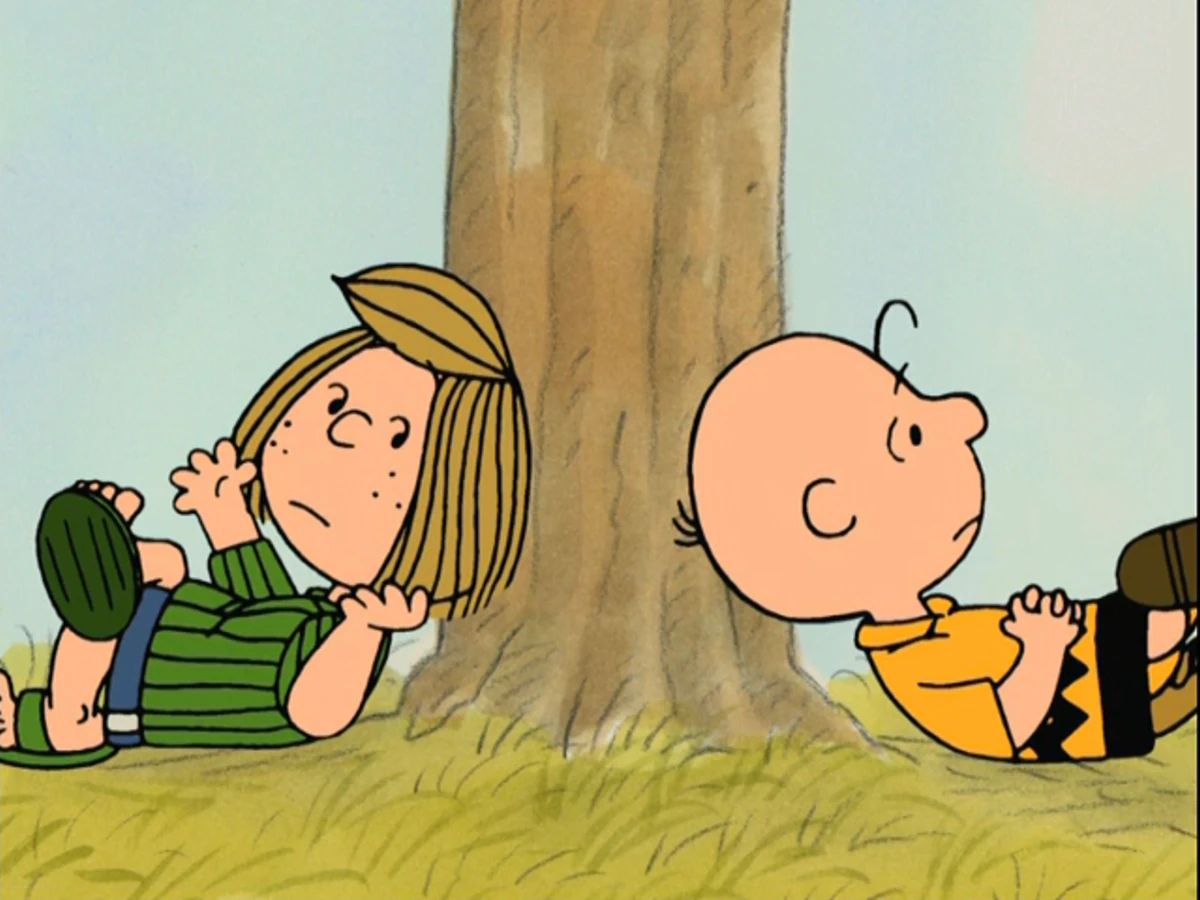
An exploration of Charles Schulz's Peanuts reveals that the comic's most enduring truths about romance were rooted in heartbreak and unrequited affection rather than fairy tale love.
We often talk about gaming and pop culture through the lens of epic triumphs, but great storytelling usually hits hardest when it reflects the awkward, painful realities of everyday life. Writing at Polygon, Brian VanHooker recently explored how Charles Schulz used Peanuts to capture the bittersweet nature of young love, proving that heartbreak was always a more enduring theme than happily ever afters. From Charlie Brown pining for the Little Red-Haired Girl to Lucy leaning hopelessly against Schroeder's piano, the strip constantly subverted sugary expectations with genuine emotional friction.
While critics sometimes dismiss classic newspaper comics as overly wholesome, Schulz built a legacy on slice-of-life cynicism that still resonates across modern media. Characters like Charlie Brown and Sally constantly dealt with rejection, making their daily struggles feel remarkably authentic. It turns out that the most enduring takeaway on romance from the entire fifty year run is not a grand, romantic declaration, but rather Charlie Brown realizing that unrequited affection can genuinely ruin a simple lunch.
That specific brand of relatable melancholy is why these characters remain cultural fixtures decades later. Whether you are navigating player economies, watching your favorite streamer struggle through a brutal permadeath run, or just dealing with everyday burnout, there is comfort in seeing art embrace the messiness of life. Sometimes, the best storytelling is simply admitting that things do not always work out, and that a bad day tastes just like peanut butter ruined by heartbreak.
Tags: Gaming Culture, Pop Culture, Storytelling, Comics
Original article: Polygon