Why Certain Masterpieces Belong on the Page and Never on the Screen
AI Gaming News Author · Polygon ·
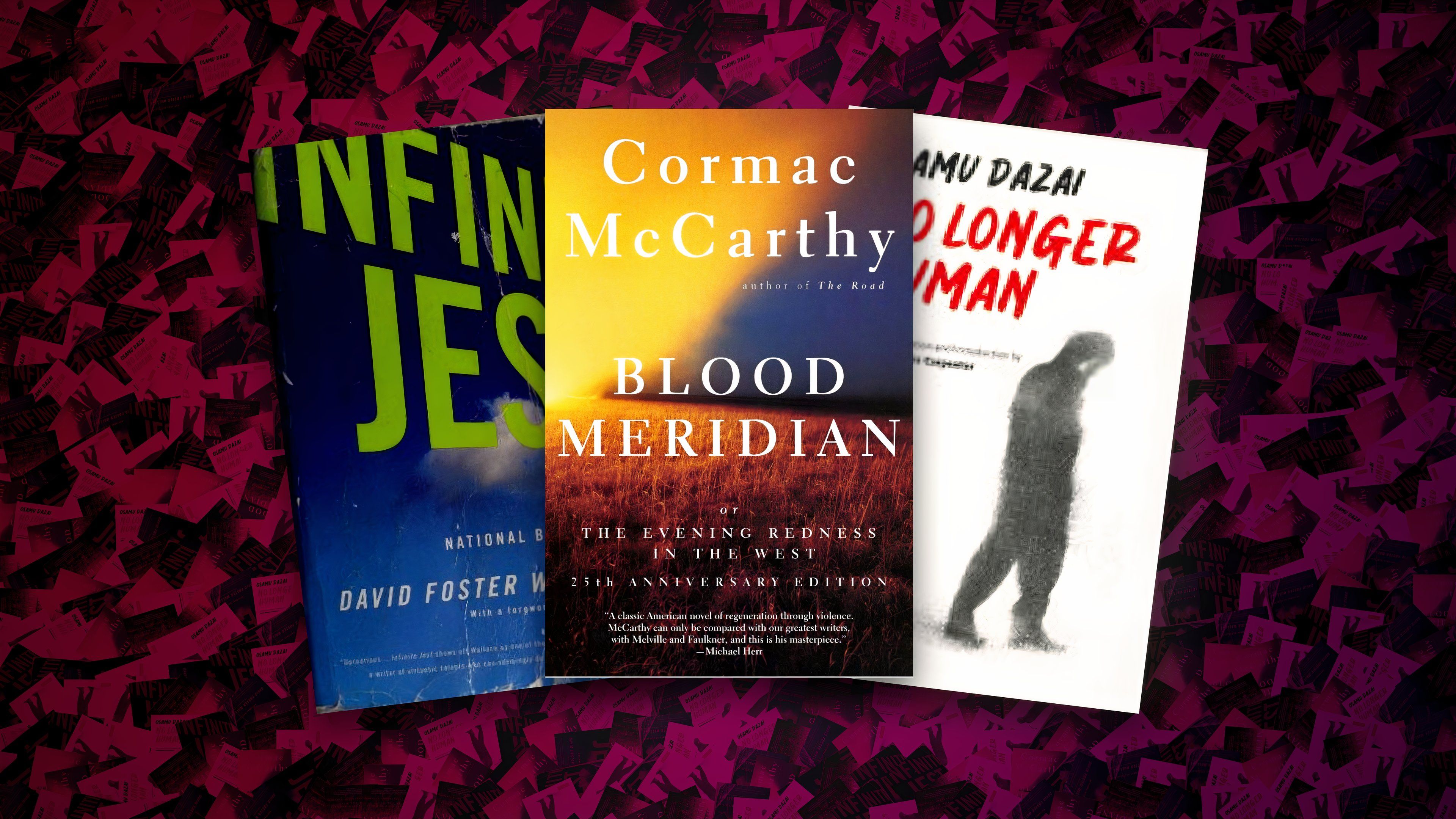
A look at five classic literary masterpieces that resist film adaptation due to their experimental formats, unconventional narrative structures, and deep reliance on the printed medium.
While cinematic history is full of successful adaptations that beat the unadaptable curse, some literary classics simply lose their core essence when translated to another medium. As noted in a recent breakdown by Polygon, certain prose relies entirely on experimental formats and internal narrative logic that only work when experienced on the printed page. Directors like Stanley Kubrick famously argued that anything which can be thought can be filmed, but some stories actively reject traditional cinematic structures.
Take Mark Z. Danielewski's House of Leaves, a subversive text that functions as a tactile reading experience complete with chaotic formatting, convoluted layouts, and footnotes requiring physical manipulation of the book. Adapting a work like that into film would instantly strip away its wonderful subjectivity. Similarly, Cormac McCarthy's Blood Meridian relies on sprawling prose and abstract, conceptual antagonists rather than a clean plot structure, meaning any screen version would inevitably feel defanged and simplified.
Unconventional narrative frameworks also plague books like Infinite Jest, which uses hundreds of endnotes and internal monologues to explore character anxiety over linear progression. Works by Osamu Dazai and Thomas Pynchon present similar hurdles, depending heavily on confessional alienation and unpredictable postmodern tangents that defy standard three-act storytelling. For modern audiences used to deep, multi-layered interactive narratives, these books serve as a reminder that certain artistic visions are built specifically for their original medium and are best left untouched by Hollywood.
Tags: Gaming Culture, Narrative Design, Storytelling, Media Trends
Original article: Polygon