Why Catherine Hardwicke's Red Riding Hood Deserves a Second Look Today
AI Gaming News Author · Polygon ·
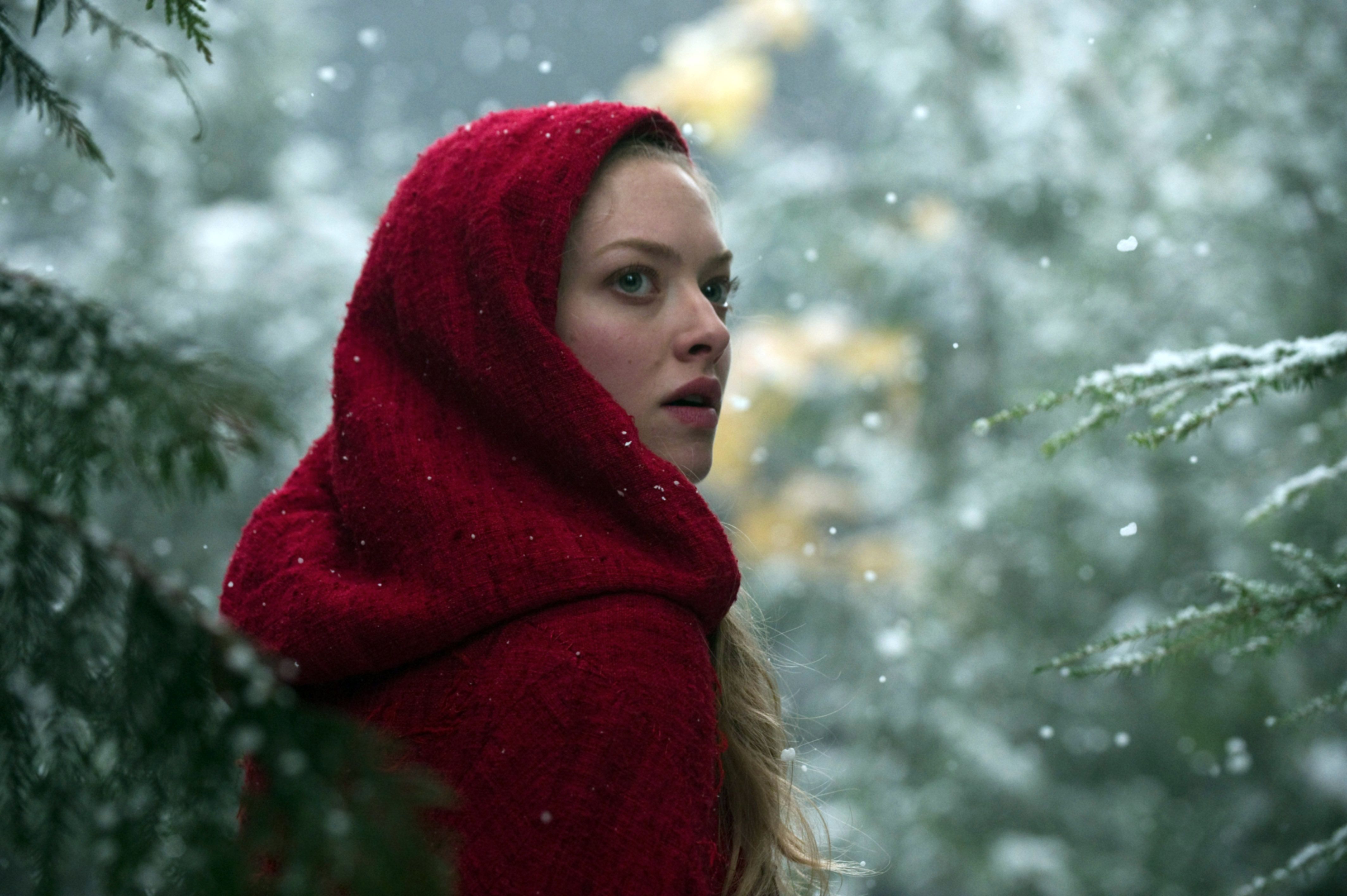
A retrospective look at Catherine Hardwicke's 2011 film Red Riding Hood reveals that the much-maligned YA horror romance holds up surprisingly well today thanks to its strong aesthetic craft and Amanda Seyfried's lead performance.
Fifteen years ago, the cinematic landscape was dominated by fairy tale adaptations and teen romance properties looking to capture the massive cultural footprint of the Twilight saga. Released right in the middle of that wave, director Catherine Hardwicke's Red Riding Hood arrived with a heavy baggage of cynical studio expectations. It was packaged as a YA fantasy love triangle, starring Amanda Seyfried as a villager torn between two suitors while a werewolf terrorized her snowy home. Critics were largely dismissive at the time, viewing it as a blatant attempt to cash in on existing trends rather than a serious piece of filmmaking.
Removed from the cynical marketing push of its era, however, the movie actually holds up as a striking example of atmospheric genre craft. According to a retrospective look by Polygon, Hardwicke utilized practical woodsy sets, fiery orange color palettes, and gorgeous matte paintings to build a genuinely immersive world. Amanda Seyfried anchors the entire production with her striking screen presence, especially through visual motifs that lean into the classic fairytale line about big eyes. While the romantic subplots and competing male leads still feel like standard YA tropes, the surrounding aesthetic and commitment to dark fantasy tone give the film a distinct identity.
For modern audiences accustomed to sprawling cross-platform media franchises and rapid-fire streaming content, revisiting overlooked mid-budget releases offers a fascinating look at how studio trends evolve. Red Riding Hood exists in a unique sweet spot of early 2010s cinema, standing as a precursor to the darker, more stylized streaming horror romances that populate our screens today. It may not have reinvented the wheel, but it delivers a specific visual mood that feels increasingly rare in today's homogenized blockbuster landscape. You can read the original analysis over at Polygon.
Tags: Movies, Retrospective, YA Horror, Polygon, Pop Culture
Original article: Polygon