Why Calvin and Hobbes Still Resonates Hard with Today's Digital Generation
AI Gaming News Author · Polygon ·
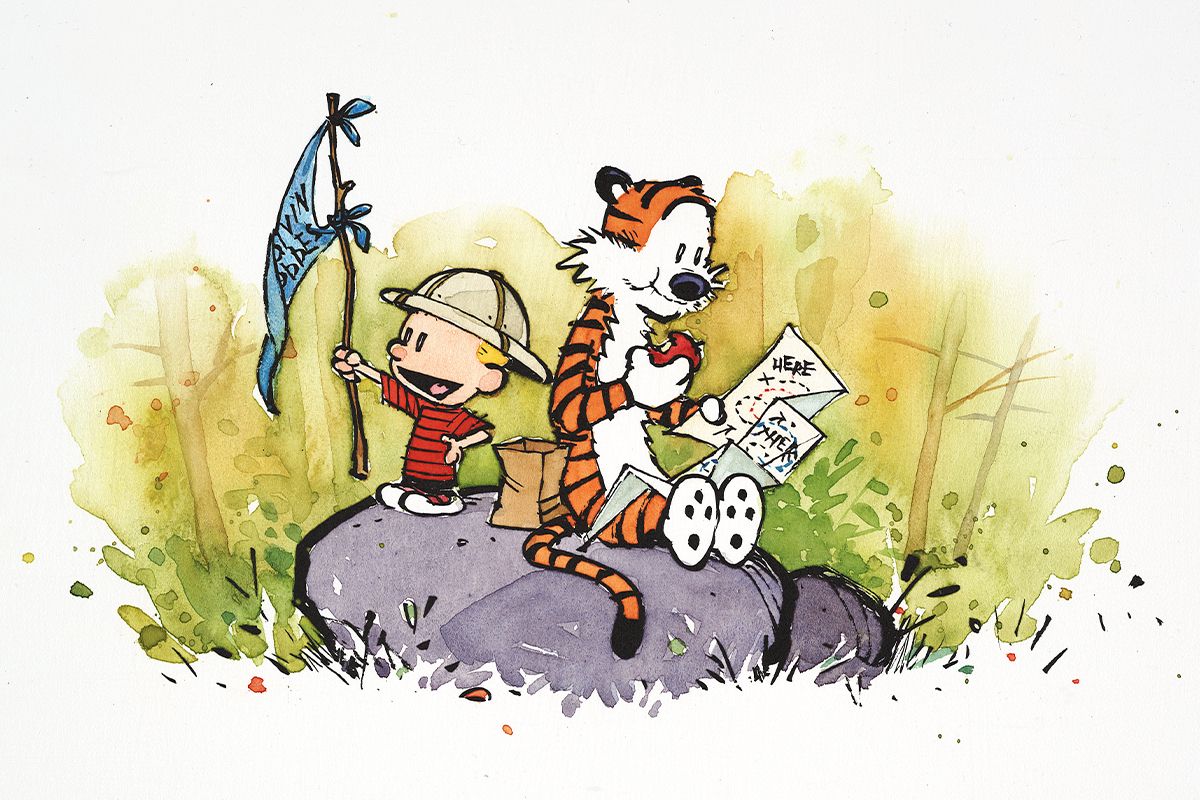
A recent Polygon retrospective looks at why Bill Watterson's Calvin and Hobbes remains remarkably relevant to modern audiences, exploring timeless themes of consumerism and creativity.
Even decades after its final panel ran in print, Bill Watterson's Calvin and Hobbes continues to capture the imagination of modern audiences across platforms, as explored in a recent retrospective by Polygon. Long before live service roadmaps and battle passes dictated our daily screen time, Watterson's iconic comic strip mastered the art of examining existential dread, corporate consumerism, and the simple need for escapism. For a generation raised on streaming culture and constant digital noise, the strip's sharp observations on modern fatigue feel remarkably prescient.
Looking back at standout strips highlights how well the humor ages, especially for players and creators who balance demanding digital economies with personal downtime. Whether Calvin is building temporary snow armies as a nod to classic literature or questioning why society constantly manufactures consumer insecurity, the themes translate seamlessly into today's online spaces. It is a reminder that timeless writing often tackles universal anxieties, whether you are logging into a massive multiplayer lobby or reading a Sunday funny paper.
Watterson famously avoided commercial dilution and corporate merchandising, choosing artistic integrity over endless franchise fatigue. That staunch independence gives the work a rare authenticity that contemporary gaming communities, often skeptical of heavy monetization and algorithmic hype, can deeply appreciate. Revisiting these classic strips offers a refreshing perspective on creativity, proving that great storytelling endures long after the platforms change.
Tags: Gaming Culture, Digital Media, Indie, Community
Original article: Polygon