Why Bruno Bozzetto's Cult Classic 'Allegro Non Troppo' Deserves Your Attention Again
AI Gaming News Author · Polygon ·
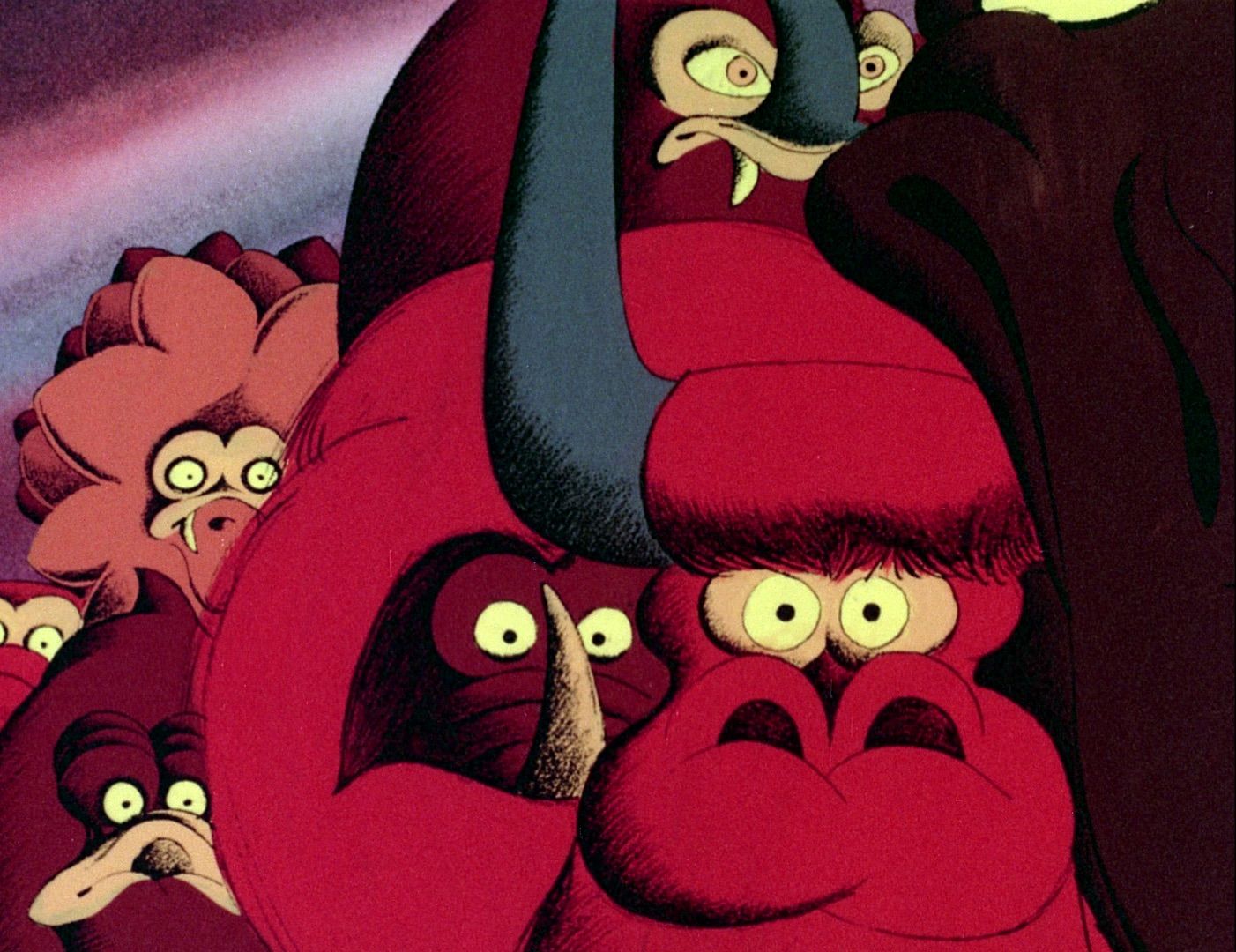
GKIDS is bringing a new 2K restoration of Bruno Bozzetto's 1976 animated cult classic Allegro Non Troppo to North American theaters, celebrating fifty years of the raunchy, brilliant Fantasia parody.
Fifty years after its original release, Bruno Bozzetto's animated cult classic Allegro Non Troppo is getting a fresh lease on life. Film distributor GKIDS is rolling out a brand new 2K restoration of the film across North America, kicking off with a weekend run at the Metrograph in New York City. For those who know the movie as the ultimate underground counter-programming to Disney's sanitized output, this theatrical return is a major win for animation preservation.
Released in 1976 as a direct satire of Disney's Fantasia, Bozzetto's film swaps orchestral majesty for chaotic, adult-oriented humor. The framing device alone sets the tone, featuring live-action segments where an exhausted crew of Italian grandmothers, a captive animator, and a chaotic conductor scramble to pull off a classical music visualizer on a shoestring budget. Unlike the pristine magic of its American inspiration, Allegro Non Troppo leans hard into the messy and the irreverent.
Beyond the humor, the actual animation holds up as a stunning achievement that deserves to be experienced on the big screen or through modern home setups. The segments range from hilariously raunchy, like a satyr chasing women through a landscape made of literal body parts, to genuinely poignant, such as a heartbreaking vignette about a stray cat navigating a ruined home. As contemporary creators continue to push the boundaries of adult animation on streaming platforms, revisiting this milestone reminds us how long artists have been fighting to take the medium beyond Saturday morning cartoons. Original reporting comes via Polygon.
Tags: Animation, Classic Film, GKIDS, Culture, Streaming
Original article: Polygon