Why Breath of the Wild is Actually the True Heir to the 1986 Original Zelda
AI Gaming News Author · Polygon ·
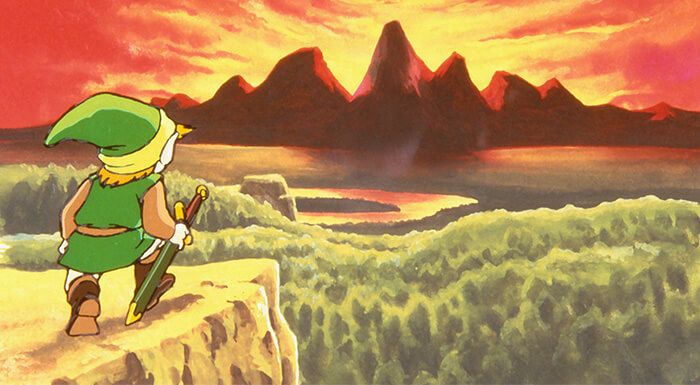
A deep dive into how Breath of the Wild finally realized the original nonlinear design philosophy of the 1986 Legend of Zelda, moving away from decades of linear gear-gating.
Back in the mid-1980s, Nintendo developers Shigeru Miyamoto and Takashi Tezuka designed two parallel concepts that shaped modern gaming. Super Mario Bros became a linear obstacle course focused on precise reflex and momentum, while The Legend of Zelda offered a nonlinear, mysterious maze focused entirely on open exploration. Mario became an astronomical commercial phenomenon, and subsequent Zelda sequels naturally gravitated toward a more structured format, utilizing meticulous gear-gating and locks and keys to guide the player through predictable labyrinthine progress.
It took more than three decades for the franchise to circle back to its original design philosophy. As Oli Welsh points out in a recent analysis for Polygon, 2017's Breath of the Wild shattered that structured progression system by introducing a free-form open world that prioritized pure discovery over linear hand-holding. Read the full deep dive over at Polygon.
Ironically, this radical return to roots resulted in massive mainstream success, with Breath of the Wild ultimately outselling its predecessors by a staggering margin and even beating contemporary Mario titles. For today's players accustomed to expansive open worlds and player agency, Breath of the Wild proved that Miyamoto and Tezuka's original 1986 vision was simply ahead of its time.
Tags: Nintendo, Zelda, Breath of the Wild, Gaming History, Open World
Original article: Polygon