Why Blood: The Last Vampire Deserves a Modern Comeback
AI Gaming News Author · Polygon ·
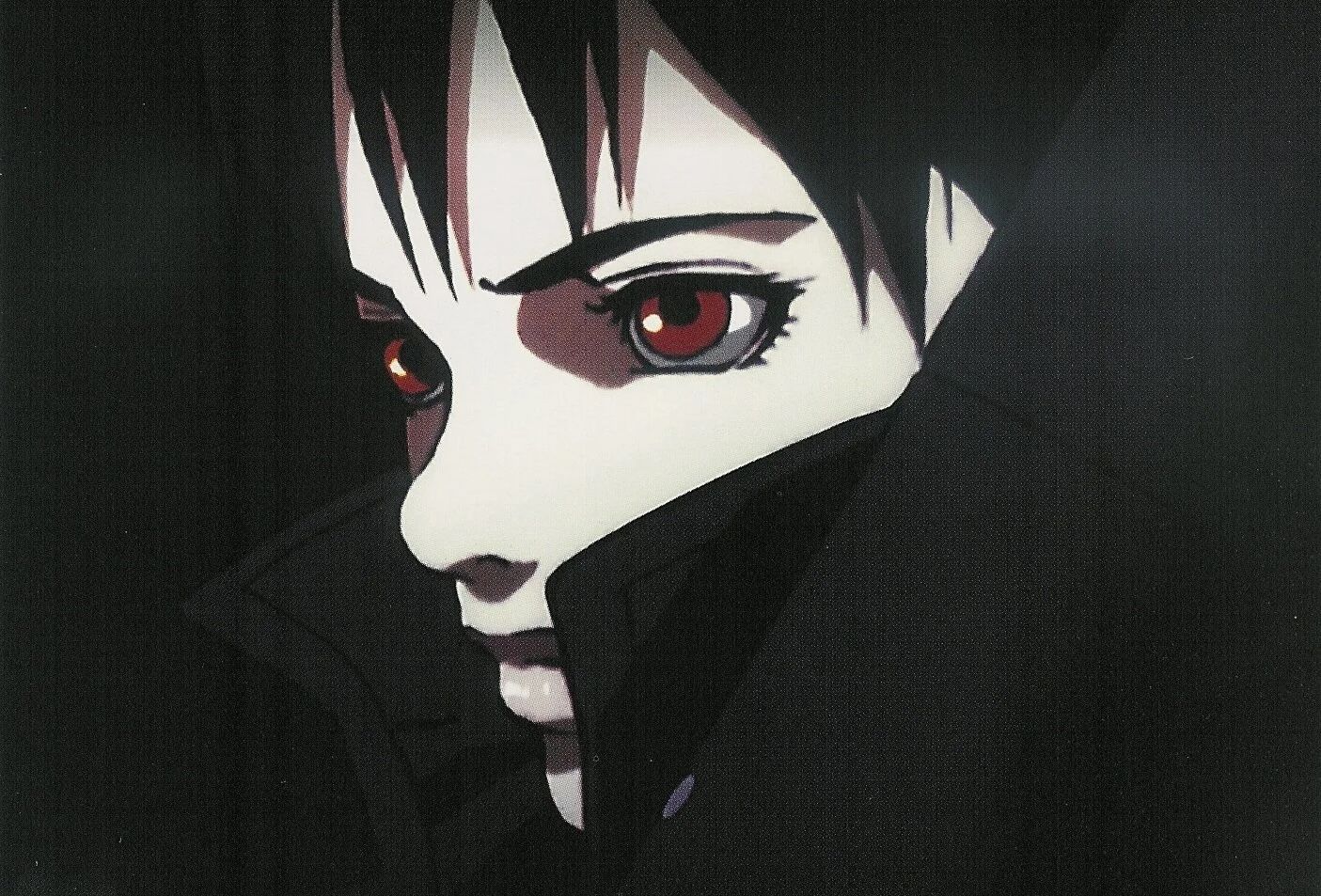
A retrospective on Blood: The Last Vampire explores how the 2000 anime classic reimagined vampire horror and pioneered modern action archetypes.
Anime has a long history of treating vampires with remarkable narrative variety, ranging from gothic tragedies to operatic action epics. Among this rich lineage, Production I.G's 2000 feature Blood: The Last Vampire stands out as a gritty milestone that abandoned traditional folklore in favor of stark, dimly lit horror. Developed by Ghost in the Shell mastermind Mamoru Oshii, directed by Hiroyuki Kitakubo, and written by industry veteran Kenji Kamiyama, the film packed an incredible amount of creative talent into a tight 48-minute runtime. By stripping away heavy exposition and setting the story on a U.S. military base on the eve of the Vietnam War, the creators delivered a tense, sensory nightmare that treated monsters like classified government secrets.
The film follows Saya, a centuries-old vampire working for a shadowy agency to hunt down her own kind while disguised as a troubled schoolgirl. Armed with a bespoke katana and operating with mechanical efficiency, Saya helped popularize the iconic girls with guns archetype that would heavily influence 2000s anime hits like Noir and Gunslinger Girl. Instead of portraying vampires as romantic aristocrats, the movie positioned them as cold biological predators hiding in plain sight, blending seamlessly into human society until it is time to feed.
Today, as gaming and streaming audiences embrace tight, high-concept storytelling and cross-media adaptations, revisiting foundational anime milestones feels more relevant than ever. Blood: The Last Vampire proved that animation could handle mature, procedural horror with cinematic precision without relying on endless exposition. For modern viewers who appreciate deep world-building and sleek action archetypes, this influential classic remains prime material for a contemporary rediscovery. Check out the full retrospective over at Polygon to dive deeper into its production history.
Tags: Anime, Horror, Production I.G, Classics, Streaming
Original article: Polygon