Why Bill Watterson's Darkest Calvin and Hobbes Snowman Gags Still Hit Hard
AI Gaming News Author · Polygon ·
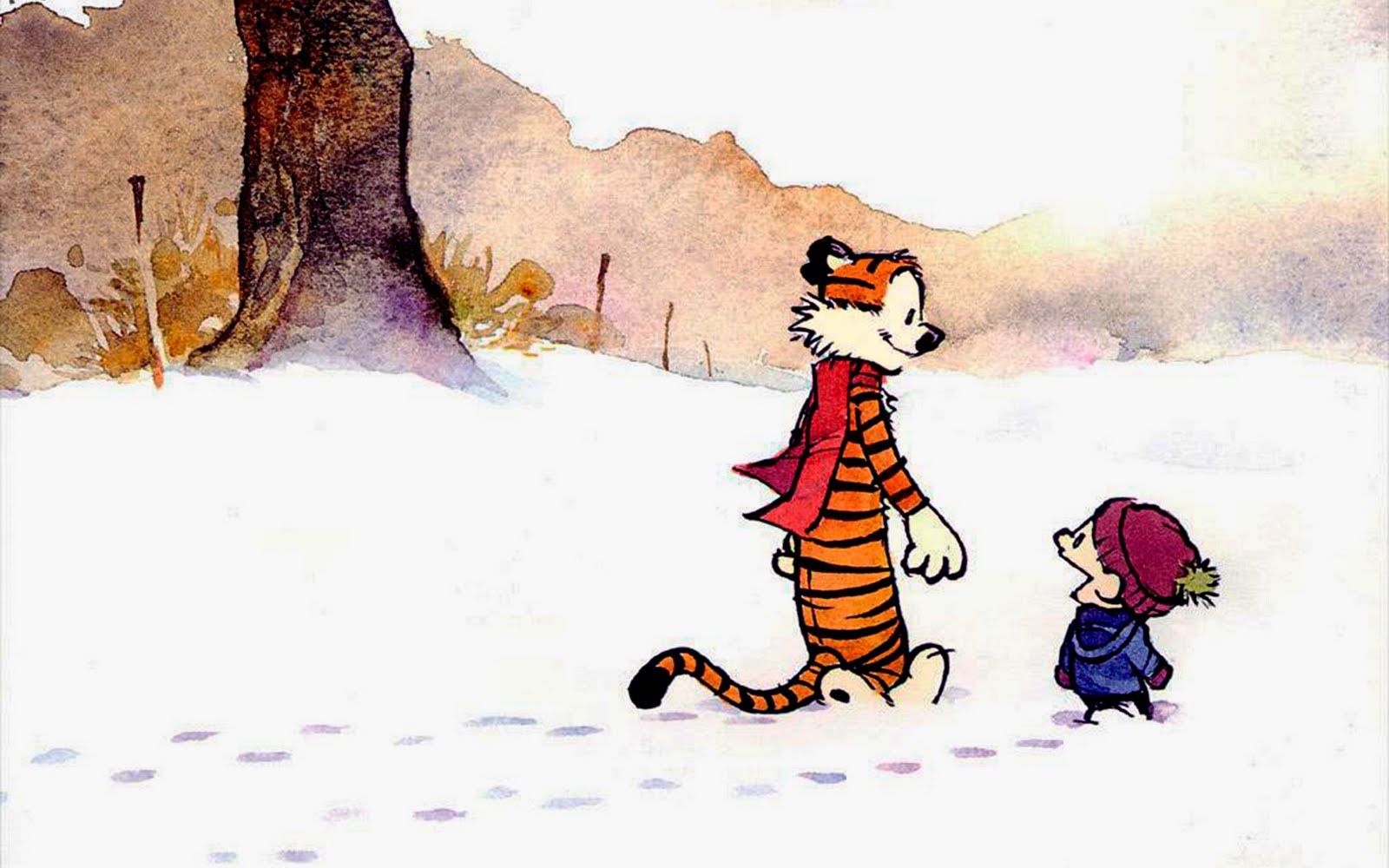
A look back at the darkest Calvin and Hobbes snowman comics shows how Bill Watterson mastered pitch-black humor and psychological horror long before it became a staple of modern gaming.
Long before indie developers made a genre out of turning wholesome aesthetics into psychological horror, Bill Watterson was quietly weaponizing the Sunday comics page. A recent retrospective by Polygon highlights the notoriously twisted snowman gags from Calvin and Hobbes, reminding us that the beloved strip wasn't always just about gentle sledding and philosophical tiger talks. Every winter, Watterson swapped innocent childhood wonder for suburban carnage, treating the front lawn as a gallery for miniature snow disasters, gruesome traffic accidents, and existential dread.
For a generation of readers who grew up treating media as a space for both cozy comfort and pitch-black humor, these winter strips remain masterpieces of subversion. When a six-year-old protagonist starts crafting snow-effigies of his enemies or staging elaborate snowman car crashes that prompt his parents to suggest therapy, it strikes a chord with anyone who appreciates creators willing to push the boundaries of their medium. Watterson used the innocent canvas of the daily newspaper comic to explore surprisingly morbid territory without ever losing the frantic, imaginative spirit of childhood.
While modern gaming and streaming culture thrives on unexpected tonal shifts and dark humor, seeing a classic print comic pull off the same trick is a great reminder of timeless storytelling. Whether it is a snowman meeting an untimely end via hot water bottle or a recreation of cinematic mob hits left on a neighbor's doorstep, these panels proved that wholesome delivery and dark conceptual art make for an unforgettable combination.
Tags: Gaming Culture, Comics, Pop Culture, Retrospectives
Original article: Polygon