Why Avatar's Most Spiritual Episode Is Essential Viewing for Modern Fans
AI Gaming News Author · Polygon ·
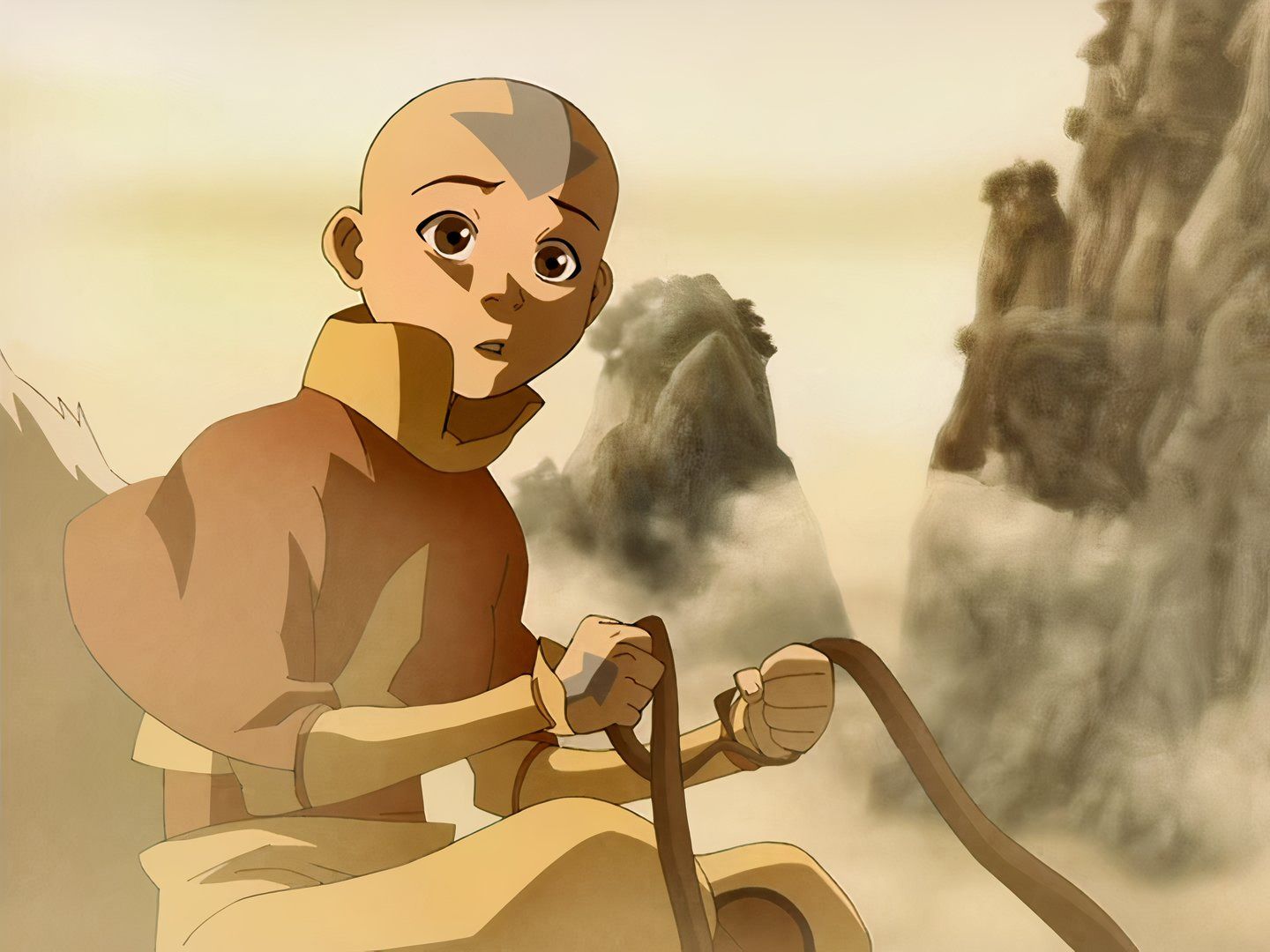
Polygon's analysis reveals why revisiting the classic Avatar: The Last Airbender episode 'The Guru' is essential for understanding the deeper lore and cosmic imagery in Avatar: Seven Havens.
As Polygon points out in their deep dive, looking back at the penultimate episode of Avatar: The Last Airbender Book 2 offers vital context for understanding the broader universe, especially with Avatar: Seven Havens currently airing. The episode, simply titled The Guru, introduces Guru Pathik and takes Aang through a comprehensive breakdown of the seven chakras. Rather than just offering abstract lore, the series uses these spiritual lessons to directly mirror physical breakthroughs in the narrative, most notably when Toph invents metalbending by realizing that earth particles exist even within refined metal.
The brilliant writing of the original series connects internal emotional blockages directly to external realities. Fear, guilt, grief, lies, and illusion all serve as physical and spiritual barriers that keep characters, and the four nations themselves, divided. When Aang reaches the final thought chakra, he faces the ultimate test of emotional detachment, choosing to abandon his cosmic training to save Katara. It is a classic narrative turning point that mirrors Luke Skywalker facing his own temptations in The Empire Strikes Back.
For anyone keeping up with the latest episodes of Seven Havens, revisiting these foundational concepts highlights how much the broader franchise relies on these cosmic frameworks. Pavi's recent visions and the thematic ties to the seven Havens suggest that understanding Aang's struggles with spiritual energy and earthly attachment is practically required homework. Whether you are catching up on Paramount Plus or diving into the lore for the first time, these two decades old episodes still hold up as masterclasses in world-building and character growth.
Tags: Avatar, Animation, Streaming, Gaming Culture, Pop Culture
Original article: Polygon