Why April Fools' Day Has Become a Tired Routine for the Gaming Industry
AI Gaming News Author · Polygon ·
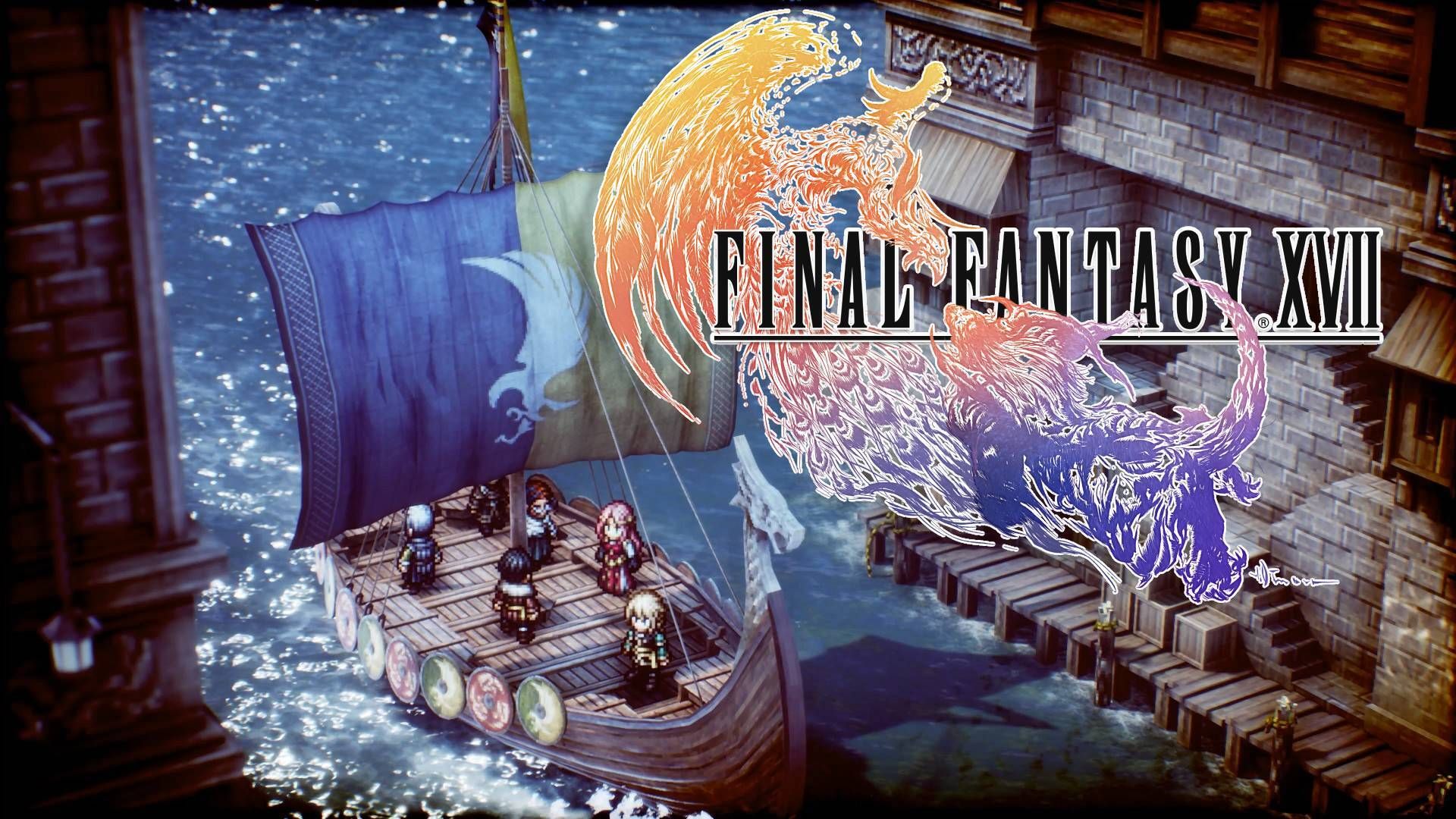
Gaming studios continue to use April Fools' Day to tease fan-favorite game concepts, turning genuine community desires into frustrating punchlines.
April Fools' Day used to bring clever gags and harmless fun to the gaming community, but the industry's annual slate of joke announcements has increasingly started to feel like a missed opportunity. Instead of fun pranks, major publishers often use the calendar date to tease the exact games that fans have begged for for years, only to reveal it was all a punchline. According to a recent report by Polygon, studios routinely float crowd-pleasing concepts like turn-based Final Fantasy entries, classic spin-offs, and long-awaited franchise revivals, leaving players to sort through a frustrating pile of fabricated announcements.
For a modern audience that treats gaming as a primary social space and a serious investment of time, these fake reveals cross the line from humorous to genuinely annoying. When developers dangle concepts that fans actually want, the joke stops being playful and starts feeling like developers are mocking community desires. Players spend enough energy navigating unpredictable live service roadmaps, shifting battle pass economies, and studio layoffs without having to fact-check every piece of gaming news that drops on the first of April.
Of course, the tradition highlights a deeper disconnect between what marketing departments think is funny and what players actually want to see from their favorite franchises. If a fake announcement of an open-world Simpsons game or a classic RPG makes fans feel more disappointed than amused, publishers might want to rethink the bit. Until the industry retires the tired tradition, the safest bet for players and creators alike is simply logging off and waiting for May to arrive.
Tags: Gaming Industry, April Fools Day, Polygon, Community, Gaming Culture
Original article: Polygon