Why 28 Years Later: The Bone Temple Proves Middle Chapters Can Still Deliver
AI Gaming News Author · Polygon ·
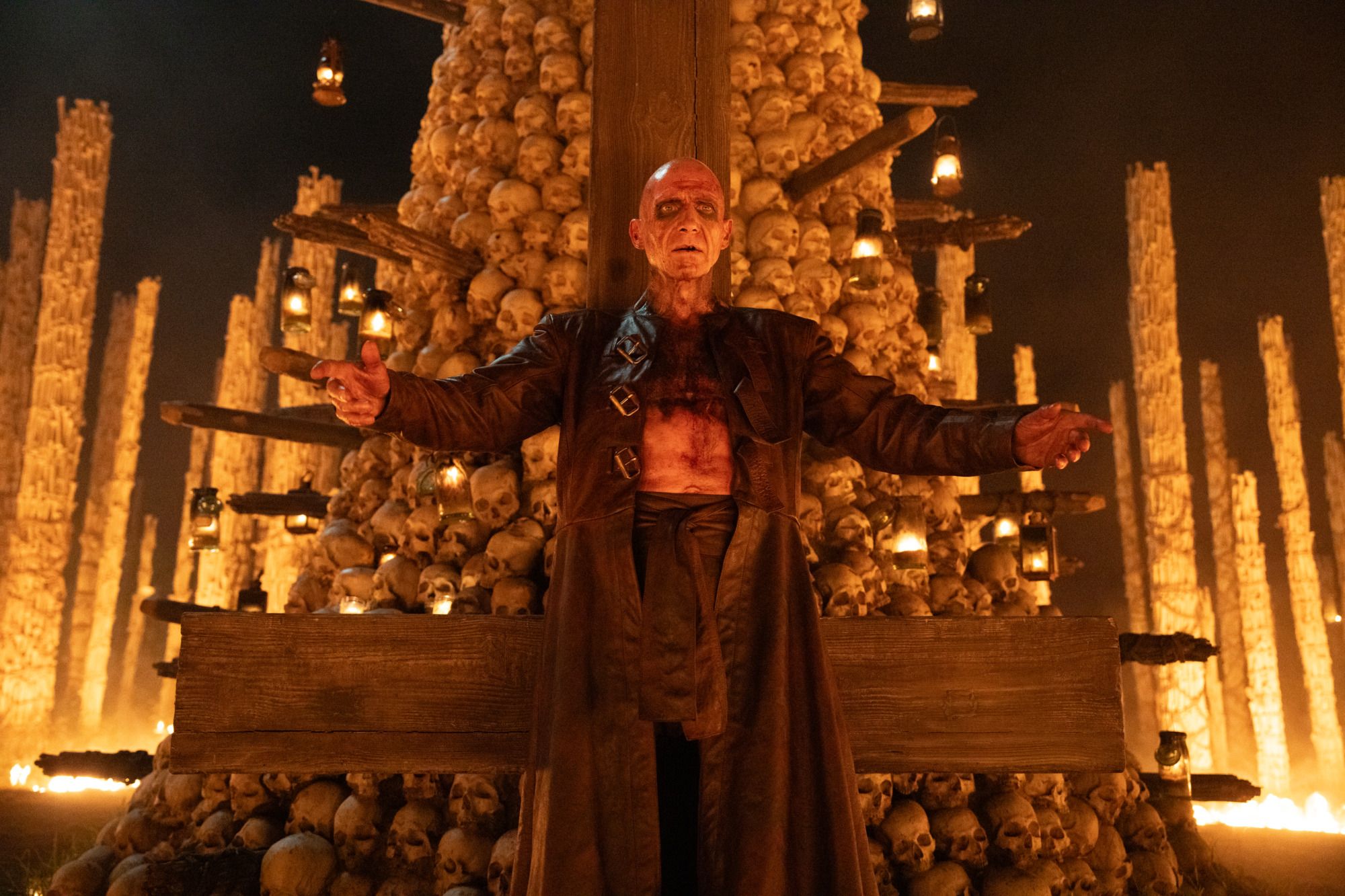
Director Nia DaCosta delivers a successful middle chapter in 28 Years Later: The Bone Temple, expanding the post-apocalyptic franchise with distinct character arcs and a mix of grotesque horror and dark comedy, as detailed in a review by Polygon.
Trilogies are notoriously difficult to pull off, and middle chapters face the steepest climb of all. Following up a successful franchise relaunch carries immense pressure, especially when the director's chair gets handed over to a newcomer before the first film even hits theaters. Director Nia DaCosta faced this exact scenario with 28 Years Later: The Bone Temple, taking the reins from franchise creator Danny Boyle to expand a post-apocalyptic England nearly three decades after the rage virus changed everything. According to a recent review by Jake Kleinman on Polygon, DaCosta succeeds, and then some, delivering a movie that elevates what came before while setting a high bar for whatever follows.
Rather than simply rehashing past formulas, The Bone Temple splits its focus between two distinct narrative threads featuring returning characters. Jack O'Connell delivers a terrifying performance as Jimmy, the leader of a murderous gang wearing matching blonde wigs who view the apocalypse through a warped religious lens. On the opposite end of the tonal spectrum, Ralph Fiennes returns as Dr. Ian Kelson, finding unexpected dark comedy and genuine emotion in an odd-couple dynamic with Samson, an infected Alpha from the previous film. These contrasting journeys eventually collide, widening the scope of the universe in ways that keep viewers guessing.
For communities invested in cinematic horror and sprawling storytelling, this sequel proves that franchise expansions can still take creative risks. DaCosta leans fully into both the grotesque horror of human cruelty and the bizarrely touching moments found in the wasteland, proving that middle chapters do not always have to play it safe. As modern entertainment increasingly relies on interconnected universes and serialized storytelling, seeing a sequel carve out its own distinct identity is a welcome win for fans of the genre.
Tags: Movies, Horror, Film Review, Entertainment, Culture
Original article: Polygon