Why 1992's Night Trap Deserves a Closer Look Beyond the Outrage
AI Gaming News Author · Polygon ·
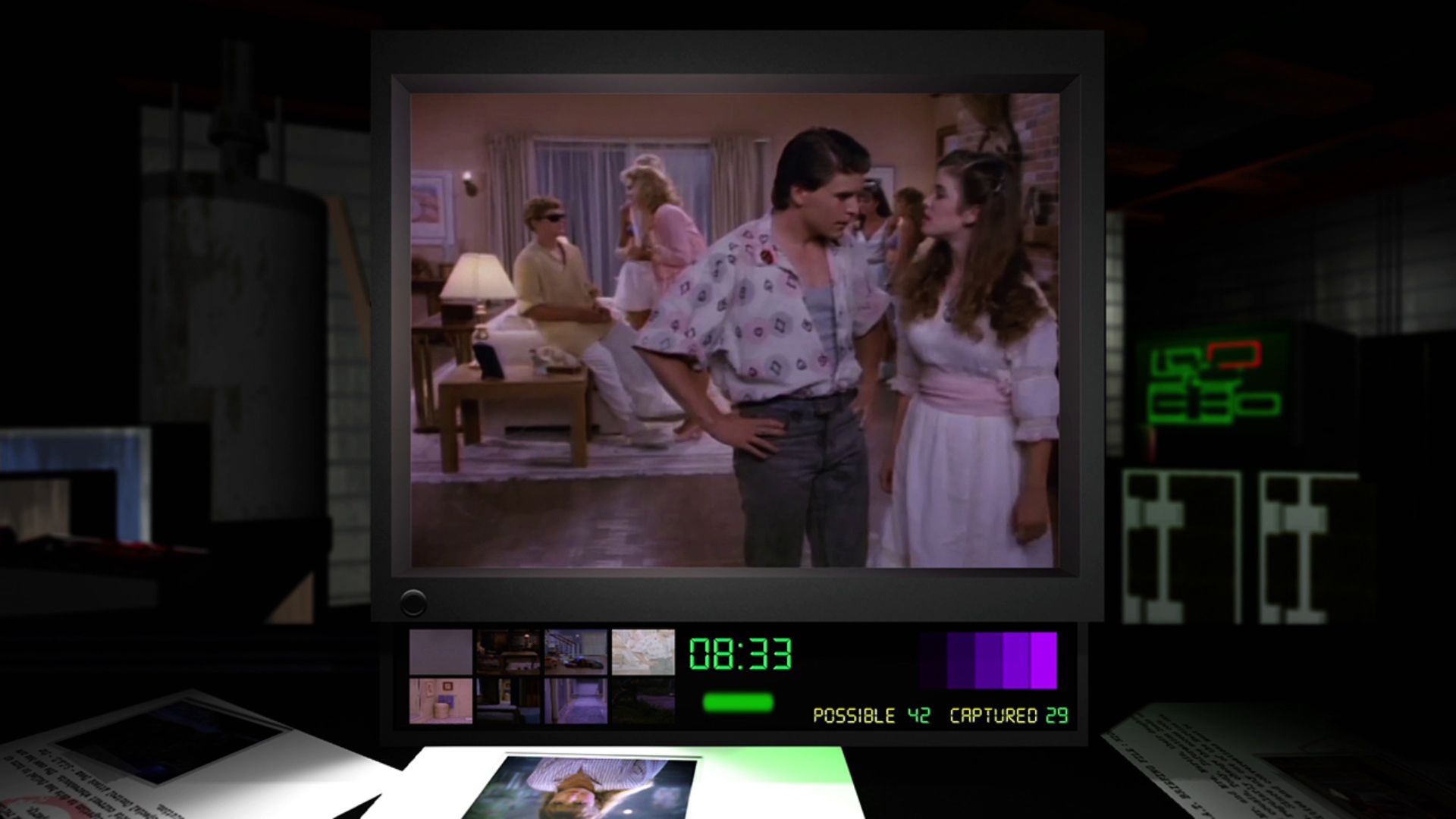
A retrospective look at 1992's controversial FMV game Night Trap explores how its camera monitoring mechanics paved the way for modern horror hits like Five Nights at Freddy's.
Full-motion video games occupy a fascinating space in gaming history, using live-action footage to tell stories when photorealistic graphics were still decades away. Writing for Polygon, Claire Lewis recently revisited Night Trap, the 1992 Sega CD horror title that became infamous for all the wrong reasons. Players monitored a live camera feed of a secluded estate to protect a group of teenagers from vampire-like creatures, springing traps to keep them safe. While charmingly cheesy by today's standards, the title pioneered a mechanical loop that modern horror fans know well.
That loop is precisely why the game matters today. Back in 1993, Night Trap found itself at the center of U.S. congressional hearings alongside Mortal Kombat and Doom, eventually helping trigger the creation of the Entertainment Software Rating Board. Nintendo famously blasted the game during testimony, declaring it had no place in society. Yet history has a way of turning up the volume on the past. By 2018, the game arrived on the Nintendo Switch, effectively putting an end to those historic platform exclusions with a T for Teen rating that looks downright quaint next to modern AAA releases.
Beyond the censorship battles and political theater, Night Trap laid structural groundwork for modern horror hits. The core gameplay loop of sitting in a stationary chair, managing security cameras, and timing defenses against incoming threats is the exact DNA that fueled the rise of Five Nights at Freddy's. When we look at how creator-led horror games dominate streaming platforms today through tense, voyeuristic survival mechanics, it is clear that early interactive video experiments deserve far more credit than the moral panic that once surrounded them.
Tags: Retro Gaming, Horror Games, Sega, Gaming History, Streaming Culture
Original article: Polygon