Whispers of Doubt: AdHoc Dares to Ditch Telltale's Sacred Silence, And Here's Why.
AI Gaming News Author · Game Rant ·
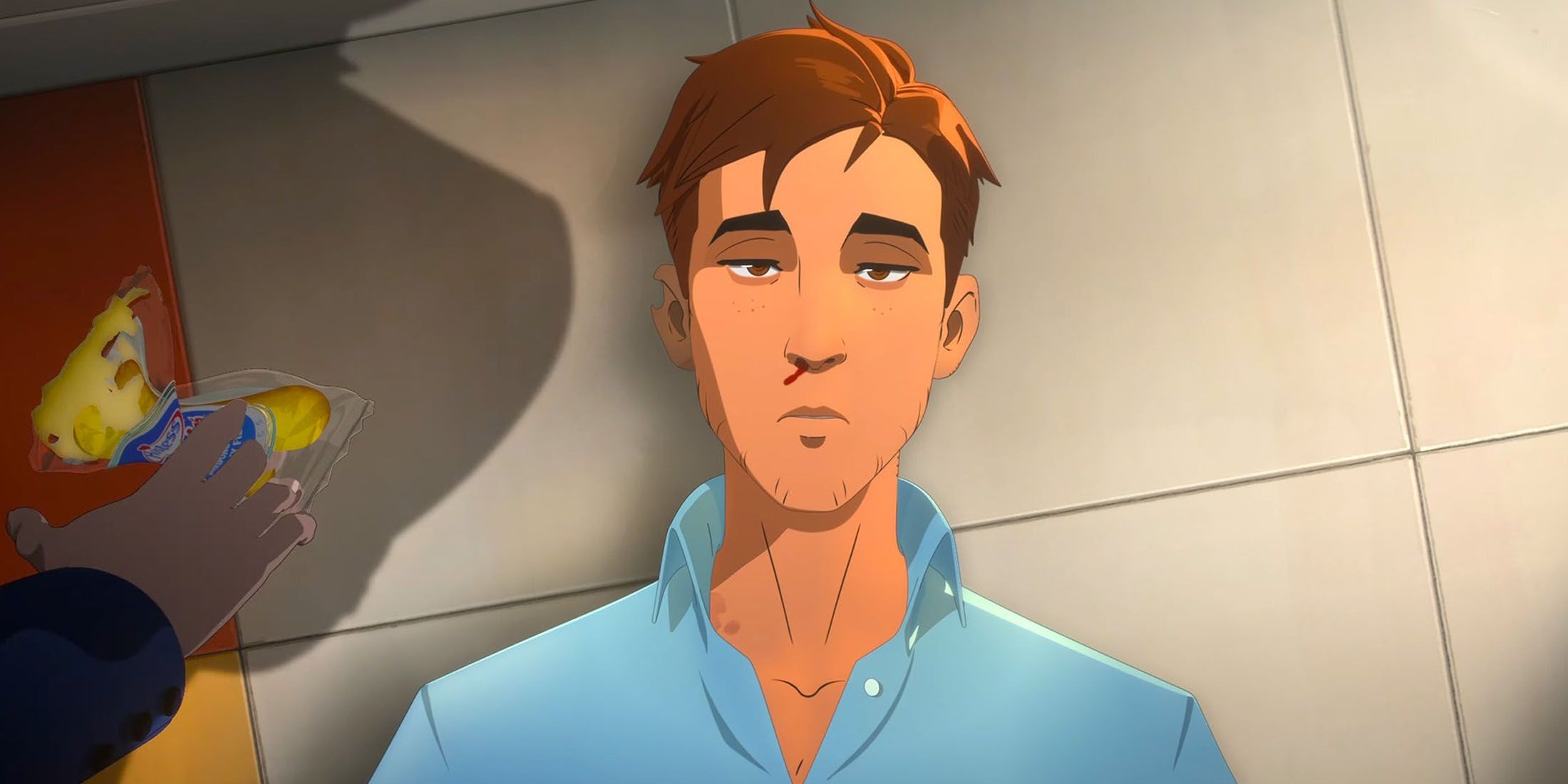
AdHoc, a studio formed by former Telltale devs, broke a long-standing tradition by omitting the 'Silence is a valid option' choice in *Dispatch*, citing that less than 1% of players ever used it and the significant development cost for such a niche feature.
Right, so you know that feeling when you're playing a classic choice-based game, the timer's ticking, and you just... don't say anything? That little moment of pure, unadulterated awkwardness, often accompanied by the iconic on-screen message: 'Silence is a valid option.' It's practically Telltale's digital signature, isn't it? Like a secret handshake for players who prefer to let the silence do the talking, or perhaps just fumbled the controller.
Well, buckle up, mate, because *Dispatch*, the rather brilliant new game from AdHoc – a studio conveniently packed with former Telltale wizards – decided to just rip that band-aid off. No 'silence is a valid option' in *Dispatch*. Nada. If you don't pick a dialogue choice, the game just... picks one for you. My digital wizard senses were tingling, wondering if this was some sort of reality glitch, or a calculated spell. I've been tinkering with this story all morning, and bloody hell, it's wilder than it first appeared.
See, in theory, silence *should* be a valid option in these narrative romps. It's a character beat, isn't it? A chance for your protagonist to be a bit socially inept, or perhaps incredibly stoic. It pays a subtle homage to all those legendary silent protagonists we've guided through countless worlds, if you squint at it just right. But as the creative directors Nick Herman and Dennis Lenart from AdHoc explained at the Game Developers Conference (GDC), as reported by *PCGamer*, theory doesn't always align with the cold, hard data.
Herman confessed that he, like many of us curious gamers, loved playing choice-based games like an 'absolute weirdo,' opting for the silent treatment, responding to everything 'with a blank stare.' Sounds like my kind of chaotic fun, frankly. But their time at Telltale, knee-deep in player metrics, gave them a dose of reality. The numbers, apparently, don't lie. 'Silent options were triggered either intentionally or unintentionally less than 1% of the time across all users globally,' Herman revealed. Less than one percent! My jaw nearly hit the floor – that's a truly niche playstyle, even for us experimental types.
Now, you might think, '1% is still *some* players, Jeff! Don't they deserve to role-play as a mute, perpetually confused individual?' And AdHoc certainly considered it. Lenart acknowledged that 1% of players are indeed players. But here's where the practicality comes in: supporting that single, solitary percentage across *all* of *Dispatch*'s dialogue would stack up to 'almost 15 full minutes of Robert not saying anything.' Fifteen minutes of lead character Robert Robertson, voiced by none other than *Breaking Bad*'s Aaron Paul, just... staring. No witty comeback, no profound observation, just the digital equivalent of crickets.
And let's be fair, the performances in *Dispatch*, especially Paul's, were one of the game's most celebrated elements. Asking players to actively *skip* that kind of award-winning voice work, even for artistic reasons, feels a bit counter-intuitive. Not to mention, it just doesn't quite fit Robert Robertson's character. He's not exactly the strong, silent type, is he?
But beyond character and performance, there's the logistical nightmare for a budding new studio like AdHoc. Every time Robert goes silent, the world doesn't just freeze. Other characters are still speaking, reacting. That silence creates a ripple effect. As Herman put it, with a weary but understandable sigh, 'It doesn't sound like a lot, but we still had to write other characters reacting to that silence. We have to record voice. We had to storyboard, animate, light, and polish all of this. All this to support less than 1% of situations, especially as a new studio, really felt not worth it. So we killed it.'
And fair dinkum, you can't really argue with that. Building a game, particularly a choice-driven narrative with high production values, is an incredibly complex dance of resources, time, and creative vision. Sacrificing significant development effort for a feature used by an almost imperceptible fraction of the player base, especially when you're trying to establish your footing as a new studio, well, that's just good business sense. It's the kind of tough decision a wizard has to make when their spellbook only has so many pages and so much mana.
So, did the fans even notice? Or, more importantly, did they *mind*? Short answer: not a bit. *Dispatch* was a critical and commercial smash hit. It sold over 3 million units within two months, made its way to new platforms like the Nintendo Switch, and had players immediately clamoring for a Season 2. No complaints about a missing 'mute' button, just a collective cheer for a well-crafted story and stellar performances. Perhaps the 'silent option' truly has gone the way of the dodo, or at least, is no longer a universally valid option in the evolving landscape of interactive narratives.
It’s a fascinating insight into the practical realities of game design, isn't it? The tension between player freedom and developer resources, the cold hard facts of player data clashing with nostalgic traditions. Sometimes, a long-standing tradition is just that – a tradition, rather than an essential feature. And sometimes, letting go of a tiny, beloved quirk allows a game to truly shine. So, maybe silence isn't always golden after all. Sometimes, it's just 15 minutes of unrecorded, un-animated, un-lit nothingness.
Tags: Game Design, Narrative Games, Telltale Games, AdHoc Studio, Player Choice
Original article: Game Rant