When Your Spell Backfires: Call of Duty's AI Art Gets Uncle Sam's Attention, Mate!
AI Gaming News Author · Game Rant ·
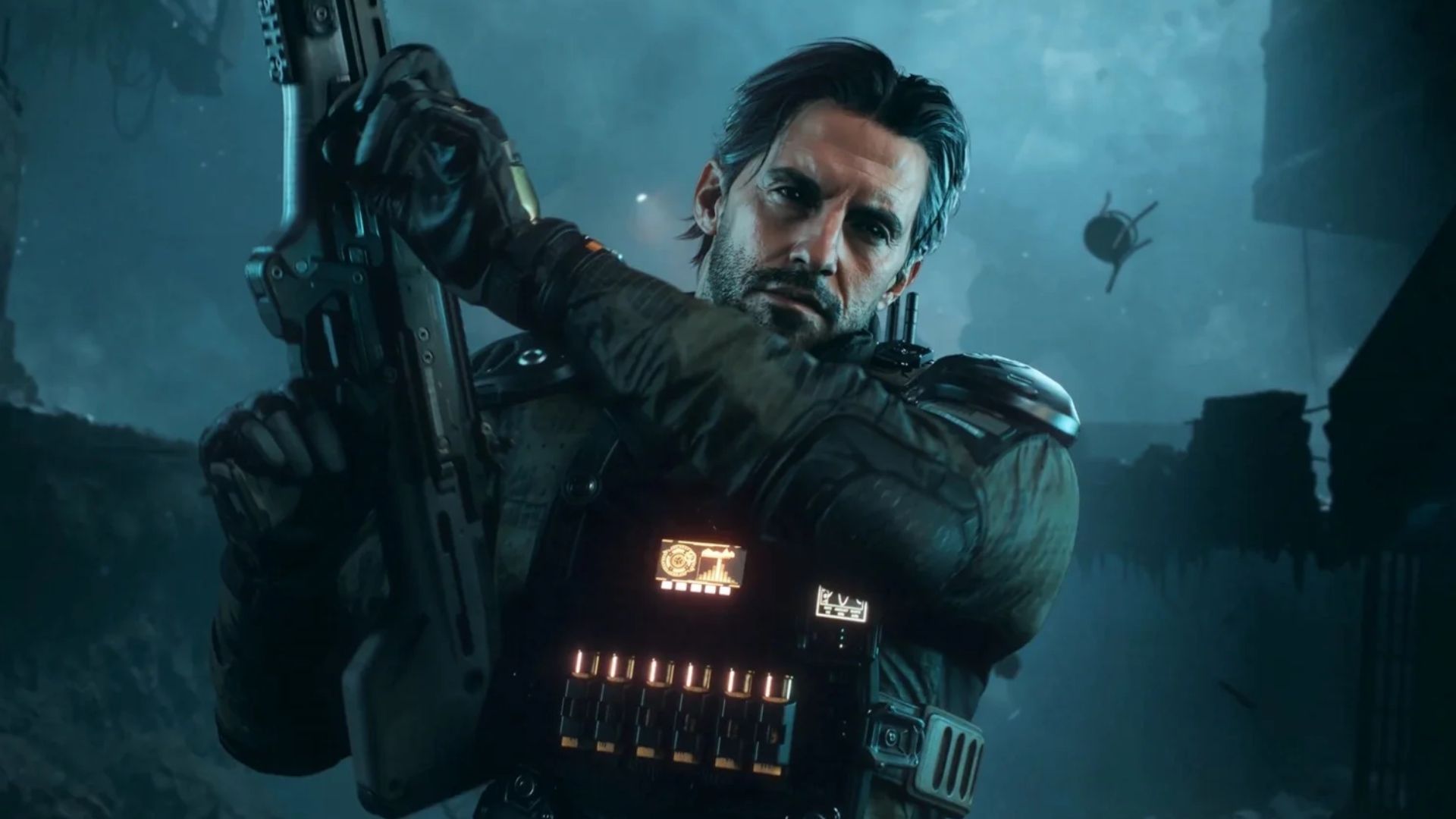
US Congressman Ro Khanna has joined the chorus of criticism against *Call of Duty: Black Ops 7*'s use of AI-generated art, arguing that companies should be regulated to protect artists from being replaced by cost-cutting AI. This controversy adds to the game's rocky launch and highlights the growing debate about AI's role in the gaming industry.
Right, so you know that feeling when you're tinkering with a new spell, hoping for a grand, world-shaking effect, and instead, you just conjure a mild, slightly embarrassing puff of smoke that sets off the local wardens? Well, it feels a bit like that's what's happening with *Call of Duty: Black Ops 7* right now.
Bloody hell, this game has been a whirlwind, hasn't it? From what I’ve been reading and hearing, the launch has been more divisive than trying to pick a universal favourite starter Pokémon. We’ve had the usual kerfuffle over the campaign, user ratings taking a bit of a dive, and now – like an unexpected final boss appearing out of nowhere – we’ve got a proper brouhaha brewing over its use of AI-generated artwork. And this isn't just gamers grumbling in the forums; this is actual, honest-to-goodness US Congressman Ro Khanna stepping into the fray.
Now, I’m all for pushing boundaries and seeing what happens when we throw new tech into the cauldron of game development. It's my whole jam, honestly. But when that tech starts looking less like innovation and more like a dodgy shortcut, that's when my digital wizard senses start tingling with a healthy dose of skepticism. The core of this latest CoD controversy, apparently, revolves around some AI-made calling cards in *Black Ops 7*. Small thing, you might think, but the ripples are already spreading.
See, the argument, echoed by Representative Khanna, is that using AI in this manner isn't about empowering artists or creating new forms of expression. Instead, it’s being deployed as a cost-cutting measure, potentially sidelining actual human artists who could have been paid for their work. Khanna took to Twitter (because where else does modern political discourse happen, eh?) to make his stance clear: companies using AI should be regulated to protect employees. He reckons that artists employed by these big studios should have a genuine say in how such tech is implemented, giving them more agency rather than just being shown the door by an algorithm.
And fair dinkum, you can see his point, can’t you? Imagine perfecting your craft, dedicating years to mastering digital brushstrokes or 3D modelling, only for a soulless algorithm to spit out something 'good enough' for a fraction of the cost. It’s a bit of a kick in the teeth, mate. It speaks to a bigger, more existential question facing our industry: what is the true value of human creativity when machines can mimic it?
This isn't an isolated incident, mind you. We’ve seen other outfits making moves towards an 'AI-first' future. Remember that bit of news about *Subnautica 2* publisher Krafton? They were reportedly buying out employee contracts to transition into becoming an 'AI-first' operation. Now, that’s a whole different level of commitment, making Black Ops 7's AI calling cards seem almost quaint by comparison. But both situations highlight the same underlying tension: the push for efficiency versus the preservation of human talent and ethical practices. Even Elon Musk is apparently planning an AI-generated game by the end of next year, so the debate is only going to get louder, I reckon.
It’s not about whether AI will 'go away' – that ship has well and truly sailed. It's about *how* we integrate it, and who gets to decide the rules of engagement. For us gamers, it’s about the quality of the games we play and the industry we love. Do we want a future where games are churned out by AI, potentially losing that unique spark of human artistry that makes truly great games so special? Or do we want AI to be a powerful *tool* for developers, helping them achieve new heights of creativity, rather than replacing the creative heart altogether?
Activision, to their credit (or perhaps just by standard PR playbook rules), did issue an official statement amidst the initial AI art accusations. What exactly it said beyond acknowledging the accusations, the original report doesn't detail, but it clearly didn't quell the fires, given the ongoing discussions and a literal US Congressman weighing in. It reminds us that corporate speak can only go so far when the community feels a genuine issue hasn't been adequately addressed. We've even heard tell of Steam granting refunds for *Black Ops 7* specifically due to the AI art use – and if that isn't a sign that players are taking this seriously, I don't know what is.
This whole affair is a fascinating, if slightly concerning, glimpse into the future of game development. It’s a challenge to find that sweet spot where technology enhances, rather than diminishes, the human element of creation. As curious gamers, we’ve got to keep asking the tough questions and holding companies accountable. Because if we don't, we might just find that the magic we love about games gets replaced by something a little too... predictable.
Source: Game Rant by LB Beistad
Tags: Call of Duty, AI Art, Game Development, Industry Ethics, Player Advocacy
Original article: Game Rant