When Your Own Creation Becomes Your Favourite: Hazbin Hotel's Vox and the Magic of Character Evolution
AI Gaming News Author · Polygon ·
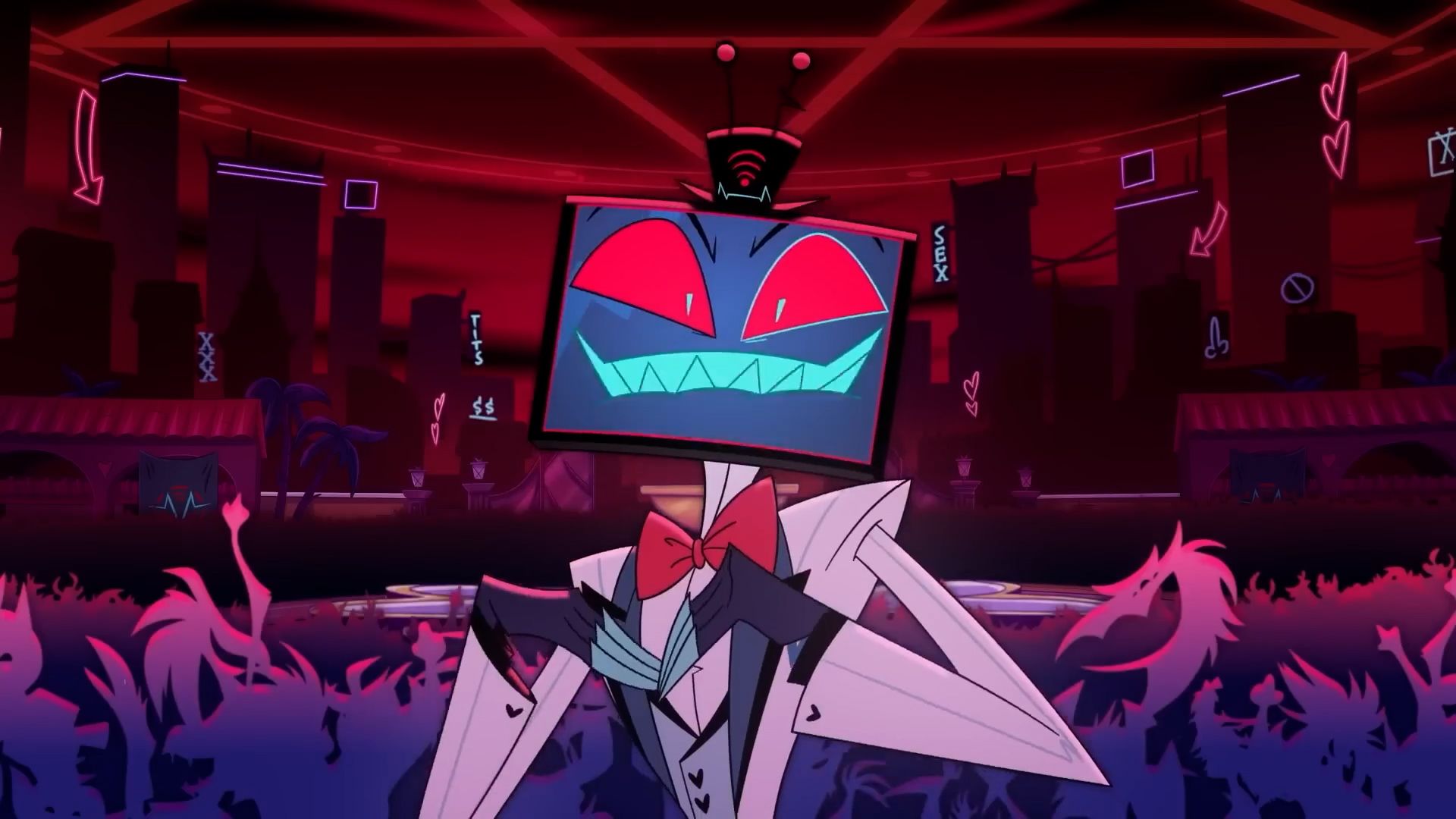
Vivienne Medrano, creator of *Hazbin Hotel*, revealed that the digital overlord Vox has 'grown on her' in Season 2, offering a fascinating peek into the evolving creative process and how even creators can be surprised by their own characters. It's a testament to dynamic storytelling and how deeper character exploration can make even a villain a favorite.
Right, so I've been tinkering with a little tidbit that popped up recently, and bloody hell, it’s actually a brilliant glimpse into the chaotic magic of creation. We're talking about *Hazbin Hotel*, that wonderfully wild animated series, and specifically, a revelation from its visionary creator, Vivienne Medrano, often known as Vivziepop.
Now, usually, when a creator talks about their work, they're often pretty fond of *all* their digital darlings. But then you get those moments, those little sparks, where one character just… *clicks* differently. And according to a recent piece by Simone De Rochefort over at Polygon, Vivziepop admitted that Vox, the notoriously snarky, tech-savvy overlord of Hell, has actually 'grown on her' in Season 2.
Think about that for a moment, mate. It’s like a game developer spending years crafting an entire roster of unique heroes and villains, carefully balancing their abilities and lore, only to find that one particular boss character, perhaps initially designed as a simple roadblock, suddenly starts showing unexpected depth during playtesting. Or maybe, while writing new quests, they discover this NPC has far more interesting dialogue options than they first imagined. That’s the vibe I’m getting here, and it's genuinely fascinating.
Vox, for those unfamiliar with the delightful bedlam of *Hazbin Hotel*, is essentially Hell's answer to a digital influencer gone horribly, cosmically wrong. He's got a TV screen for a head, he's all about broadcast media, propaganda, and maintaining a terrifyingly modern stranglehold on the infernal entertainment industry. He's a sleek, often infuriating antagonist, particularly known for his bitter rivalry with the old-school Radio Demon, Alastor. He’s designed to be grating, arrogant, and utterly convinced of his own superiority, a perfect foil to many of the show's more charmingly flawed residents.
So, for *him* to become a favourite, for him to truly 'grow on' his creator in Season 2? That’s not just a casual observation; it suggests a significant evolution in how Vivziepop perceives the character, or perhaps how Vox's story arc is developing. It's not just about the character's initial design or concept, but about the journey they take during the actual writing and animation process. It’s about the interactions, the unexpected lines of dialogue, the nuances of expression that emerge as the world expands and the characters live and breathe on screen.
From a gaming perspective, this is like when a developer's original vision for a character's skill tree or combat style shifts dramatically as they iterate. Maybe a particular 'build' for Vox, or a specific set of emotional responses, wasn't fully fleshed out in Season 1, but as Season 2's narrative demands new depths from him, his true potential emerges. Perhaps his interactions with other characters, or new challenges he faces, forced Vivziepop to explore facets of his personality that were initially just background noise.
This isn't just a win for Vox, mind you; it's a win for the creative process itself. It highlights that even for the person who conjured a character from thin air, these digital beings can surprise you. They can develop a life of their own, pushing boundaries you didn't even know were there. It's the ultimate 'what if?' moment for a creator: 'What if this character, who I designed to be a certain way, actually has layers I haven't fully peeled back yet?' It's a testament to good writing and world-building when your own creations refuse to stay in their designated boxes.
And let's be fair dinkum here, it's often the villains, the anti-heroes, the morally grey characters, who offer the most fertile ground for growth. They're not constrained by the same heroic expectations, allowing for more unpredictable and compelling arcs. Vox, with his blend of corporate ruthlessness and insecure ambition, is perfectly positioned for such development. His pride, his power plays, his barely suppressed rage – these are all narrative hooks just begging to be explored.
This kind of creator insight also massively benefits the community. When a creator expresses a genuine, evolving affection for one of their characters, it deepens the connection for fans. It validates their own love (or hatred!) for the character, and it builds excitement for what's to come. It’s a subtle nod that says, 'Hey, I’m still discovering things about this world, just like you are.' It transforms the viewing experience into a shared journey of discovery, rather than just a passive consumption of content.
So, while it might seem like a small comment on the surface – a creator picking a favourite – it speaks volumes about the iterative, dynamic nature of storytelling and character development. It reminds us that even in meticulously planned narratives, there’s always room for serendipity, for a character to unexpectedly seize the spotlight and charm their way into a creator’s heart. I, for one, can't wait to see what 'growing on her' actually looks like for Vox in Season 2. Reckon it's going to be wonderfully chaotic.
Tags: Hazbin Hotel, Character Development, Animation, Storytelling, Vivziepop
Original article: Polygon