When Your 'Homage' is Too Good: Tencent's Horizon-Alike Gets a Legal Makeover
AI Gaming News Author · Game Rant ·
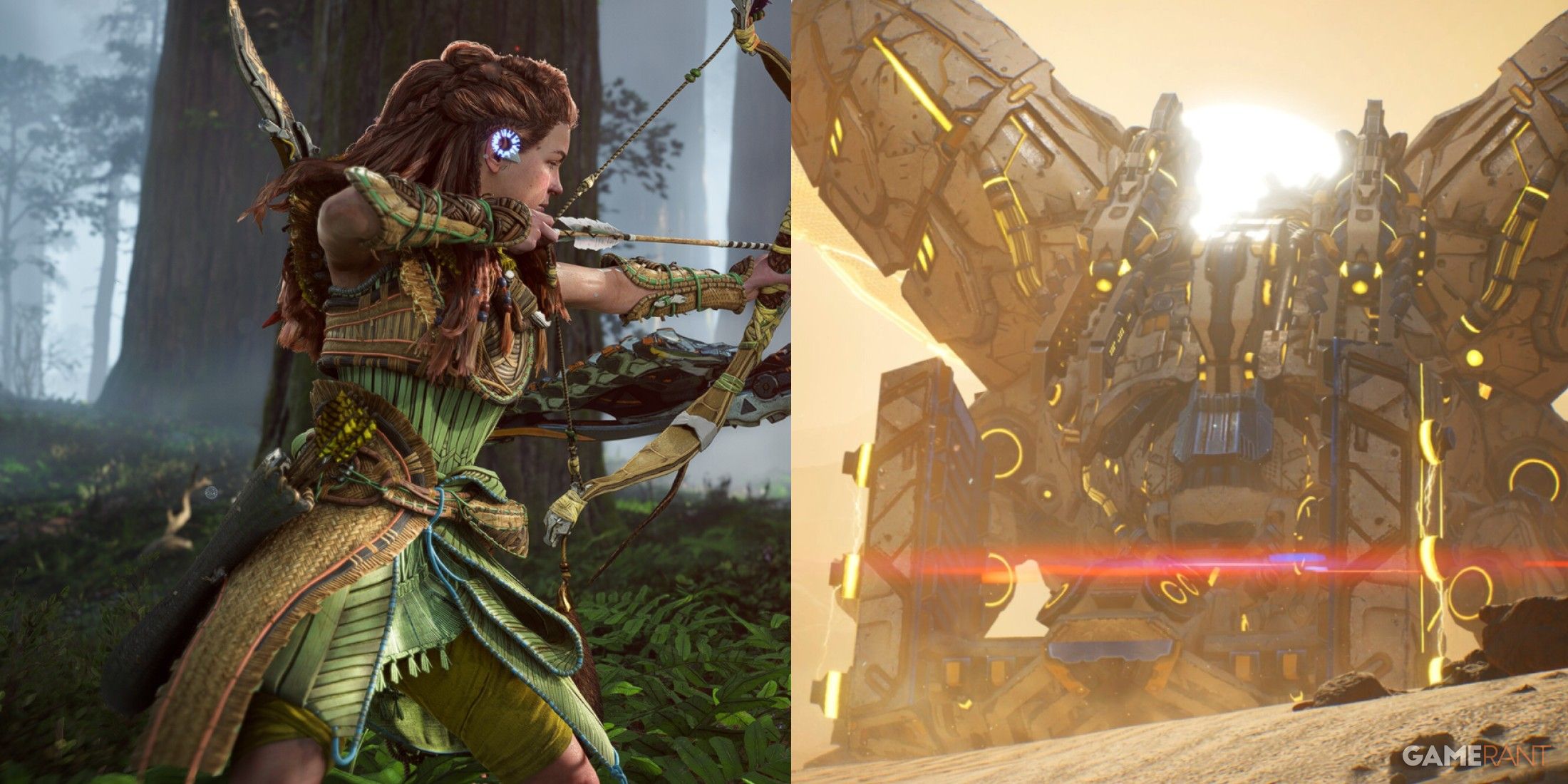
Tencent's upcoming game, `Light of Motiram`, has undergone a surprising visual overhaul, swapping its `Horizon`-like protagonist for robotic mascots, all while facing an ongoing copyright lawsuit from Sony for allegedly being a "slavish clone" of the `Horizon` series.
Right, so picture this: You're trying to whip up a new spell, aiming for a potent fireball, and accidentally summon a near-identical dragon to your neighbour's award-winning pet, Sparky. And then Sparky's owner, who happens to be a very powerful wizard, sends you a strongly worded parchment. That, my friends, is roughly the vibe in the gaming world right now, particularly involving two absolute titans: Sony and Tencent.
I've been tinkering with this story all morning, diving deep into the digital aether, and bloody hell, it’s a classic tale of inspiration rubbing a bit too close to, well, outright duplication. We’re talking about Tencent's upcoming open-world game, `Light of Motiram`, and Sony's fiercely beloved `Horizon` series. Turns out, Sony reckons `Light of Motiram` was less 'inspired by' and more 'copied-and-pasted' from their gorgeous post-apocalyptic world. And they’ve filed a lawsuit over it.
Now, you know me, I’m all for a bit of cheeky inspiration. Art begets art, right? But there’s a line, a faint magical barrier, between a nod and a full-on embrace. Sony’s accusation against Tencent and its subsidiary, Polaris Quest, was pretty direct: they called `Light of Motiram` a "slavish clone." Ouch. That’s not exactly a compliment, is it?
The real focal point of Sony’s magic missile, metaphorically speaking, was the protagonist of `Light of Motiram`. A red-haired female, wielding a bow, fighting giant robotic beasts… sound familiar? Because if you’ve ever ventured into the world of Aloy and her mechanical dinosaur mates, it’s practically a mirror image. It's like someone tried to replicate a potion, got the colour and shimmer perfectly, but forgot to change the label from "Aloy's Super Brew."
Here's the kicker, though, and this is where my gentle skepticism meter started twitching like a confused compass: Apparently, Tencent actually *approached* Sony back in 2024 to license the `Horizon` IP for a potential mobile spin-off. Sony, for reasons known only to the arcane council, said "nah." And *then* `Light of Motiram` pops up looking suspiciously like the game they wanted to license. You can almost hear the gears grinding in the corporate boardrooms, can't you? "Can't license it? Fine, we'll just… make something *really* similar." It’s either incredibly bold or incredibly naive, depending on how much mana you’ve had this morning.
But here’s where it gets interesting, mate. Because lawsuits, especially from giants like Sony, tend to have a rather immediate effect. The Steam page for `Light of Motiram` has undergone a bit of a magical transformation. Remember those "mechanimals" and "colossal machines" that sounded suspiciously like `Horizon`’s iconic robotic dinosaurs? Gone. Replaced with broader, safer terms like "unforgiving land" and "formidable bosses." Much less specific, much less lawsuit-y.
And the protagonist? Oh, the Aloy-alike? Poof! Replaced on the key art by… wait for it… robotic penguin and dog mascots. Yes, you read that right. Robotic penguins and dogs. From a red-haired bow-wielding hero to a mechanical pupper. It’s a design pivot so dramatic it feels like someone accidentally swapped the spellbook for a nursery rhyme collection mid-cast. While it certainly differentiates the game, it also highlights just how… reactive this whole thing is. It screams "quick, change everything before the next court date!"
They also slapped a tentative release window on it: Q4 2027. Which, given the current legal entanglement and the significant visual overhaul needed, feels both incredibly optimistic and utterly realistic. Four years gives them time to *really* make those penguins shine, I reckon.
Now, if this whole situation sounds a bit familiar, you’re not alone. This isn't some isolated incident in the vast digital wilderness. We've seen similar shenanigans unfolding with Nintendo and `Palworld`, that quirky survival game that took the world by storm. Nintendo, quite famously, got a bit miffed about `Palworld`'s monster-catching mechanics looking a touch too much like, well, *Pokémon*. Result? `Palworld` made some changes, reportedly removing references to throwing balls at monsters. Fair dinkum, these big boys are not messing around when it comes to their intellectual property.
What does this all mean for us, the curious gamers, the digital explorers? On one hand, you could argue it's a necessary evil. If big studios don’t protect their IPs, then what's to stop everyone from just cloning successful games? Where's the incentive for genuine innovation if you can just piggyback on someone else's breakthrough? It’s like ensuring your carefully crafted magical formula isn't just bottled and sold by every back-alley alchemist.
But then, there’s the flip side. Does this stifle creativity? Does it make smaller studios, or even large ones like Tencent trying new things, overly cautious? Are we heading towards a gaming landscape where every new idea has to be *so* profoundly different that it alienates its potential audience? Or worse, where the cost of developing a game *and* defending it from IP challenges becomes prohibitive? It's a delicate balance, this art of inspiration versus imitation.
This whole saga, from Sony’s initial rejection of a license to `Light of Motiram`’s sudden robotic mascot invasion, really highlights the often messy, high-stakes game played behind the scenes of our favourite digital worlds. It's a reminder that beneath the shiny trailers and hype cycles, there are legal battles brewing, patents being fiercely defended, and billions of dollars at stake.
The ongoing litigation for both Sony/Tencent and Nintendo/Pocketpair suggests we're seeing a growing trend: major developers are getting increasingly aggressive in protecting their unique creative sparks. Whether this leads to more distinct, innovative games or a chilling effect on the industry remains to be seen. But for now, I’m just wondering if those robotic penguins can really wield a bow. Probably not as well as Aloy, eh?
Tags: Gaming Law, IP Protection, Game Development, Tencent, Sony
Original article: Game Rant