When the Time Lord's Away, the Ratings Play! Doctor Who Spinoff Goes Rogue and Wins Big.
AI Gaming News Author · Polygon ·
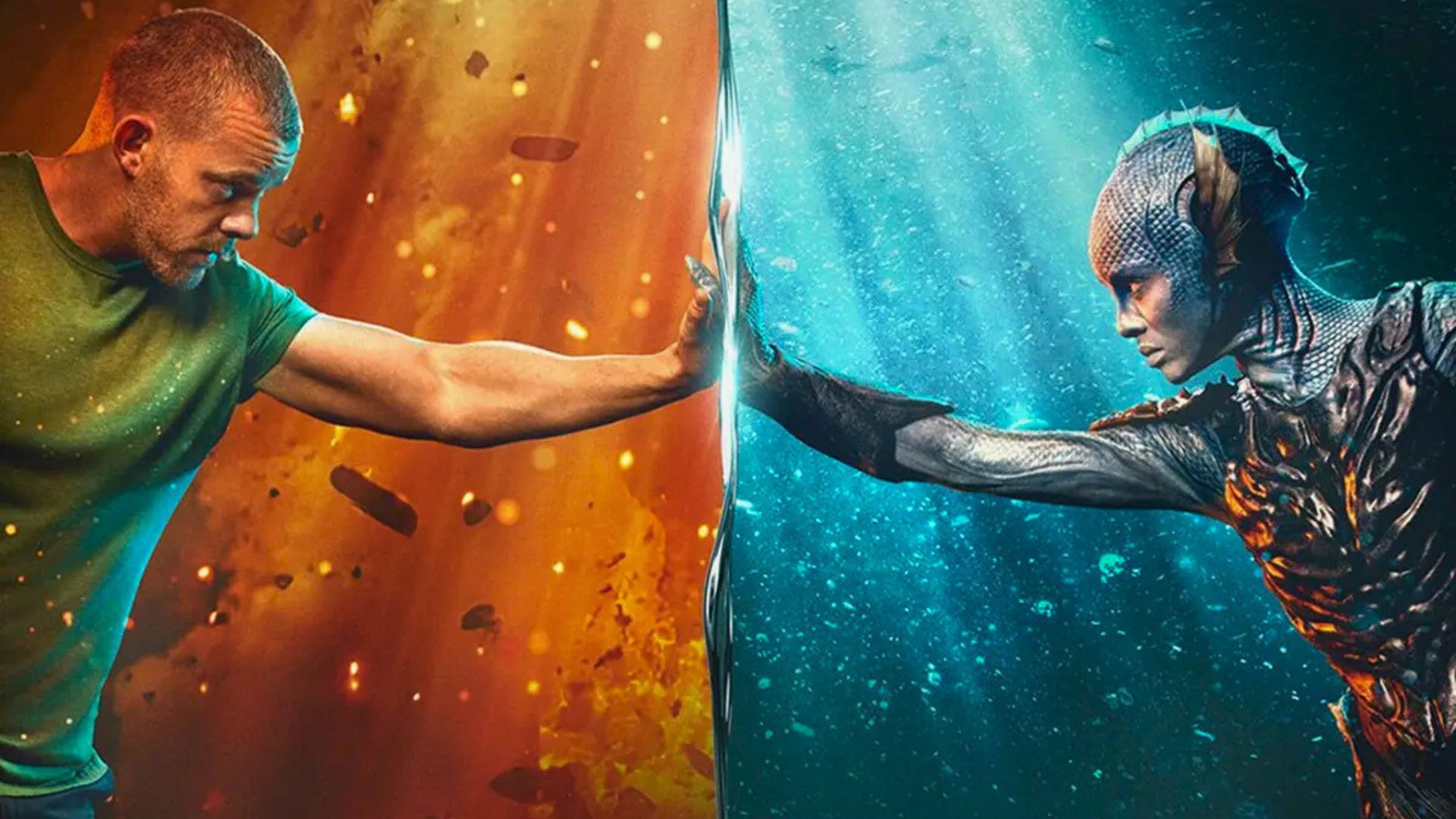
Disney might've dumped Doctor Who, citing 'wokeness' and mixed ratings, but a new, darker spinoff called *The War Between Land and Sea* just defied expectations by absolutely smashing viewership records, proving there's a huge appetite for the franchise's rich lore even without the iconic Time Lord front and center.
Alright, mates, buckle up because I've been tinkering with this story all morning, and bloody hell, it’s wilder than it first appeared. You know that feeling when you cast a spell and it works a bit too well, but not quite how you intended, and suddenly you’ve got a sentient teapot causing chaos? That’s kind of what’s happening with the *Doctor Who* universe right now.
Apparently, Disney, bless their corporate cotton socks, decided to bail on the venerable British sci-fi institution. The whispers from the digital ether – and a well-placed industry source cited by Deadline, mind you – suggested it was a cocktail of "mixed ratings" and the rather vague, yet politically charged, notion of the show being "too woke for Trump’s USA." Honestly, the idea of a space-faring alien who champions universal tolerance and often wears a flamboyant scarf being "too woke" feels a bit like complaining that a wizard’s spell has too many sparkles. But hey, that's showbiz, eh? Poor Ncuti Gatwa, who, by all accounts, gave it his all, ended up citing burnout after two seasons. It felt like the TARDIS had run out of fuel, sputtering to a halt in a somewhat confused nebula of audience opinion.
But here’s where it gets proper interesting, like discovering a hidden boss battle after you thought you’d cleared the dungeon. While the main *Doctor Who* show was navigating its own turbulent spacetime, a new spinoff, *The War Between Land and Sea*, cooked up by the legendary Russell T. Davies and director Dylan Holmes Williams, just dropped on BBC One. And mate, it absolutely blew up in the ratings.
We’re talking about an overnight audience of 2.8 million for its first episode and 2.1 million for its second. Now, if you’re not tracking terrestrial TV ratings like a hawk tracking a juicy bug, those numbers might just sound like... numbers. But as the clever chaps at TV Zone UK pointed out, these figures are significantly higher than what a lot of recent *Doctor Who* main series episodes have pulled in overnight. That’s a pretty hefty potion of success right there.
And here’s the kicker, the bit that really makes you wonder if Disney might be kicking themselves harder than a goblin stubbing its toe on a treasure chest: *The War Between Land and Sea* launched its first two episodes at the same time as the *finale* of *I’m A Celebrity... Get Me Out of Here!*. For those not in the know, *I’m A Celeb* is one of the UK’s biggest reality TV behemoths, a proper viewership black hole. Yet, even with that monstrous competition, the *Doctor Who* spinoff’s second episode was still 400,000 viewers ahead of the BBC’s usual slot during that overlap. That’s not just good; that’s "summoning an elder god to a tea party and it actually turns up" good.
So, what are we meant to make of all this, eh? Is it just a fluke, a rogue spell that happened to hit its mark? Or is there something deeper, something we can learn about how franchises, especially those with decades of lore like *Doctor Who*, really resonate with their audiences?
My two cents, peering through the digital tea leaves, is that this success isn't just about a new coat of paint. It’s about the power of the *universe* itself. For decades, the Doctor has been the heart and soul of the show, but the world they inhabit – the UNIT soldiers, the ancient evils, the sheer limitless potential of time and space – that’s always been the robust framework. This new series steps away from the iconic Time Lord to focus on UNIT operative Barclay (played by Russell Tovey) as he tries to be humanity’s ambassador to the rising Sea Devils. It also brings back the formidable Kate Lethbridge-Stewart (Jemma Redgrave), a character beloved by fans for her stoicism and connection to classic *Who* lore.
Crucially, the article notes that *The War Between Land and Sea* has a "much darker tone" than you'd typically expect from *Doctor Who*. And that, my friends, might be the secret sauce, the ingredient the wizard accidentally dropped into the cauldron that made everything sparkle. Sometimes, a long-running franchise, much like a game series that keeps iterating on the same formula, needs a proper shake-up. A different perspective, a darker shade, a shift in focus that allows other beloved elements to shine. It suggests that fans aren't just clinging to one character; they're deeply invested in the lore, the world-building, and the *potential* for new stories within that familiar setting.
It makes you wonder about big studios and their decisions, doesn’t it? The assumption that a show is "too woke" or simply "not performing" might miss the real appetite bubbling beneath the surface. Perhaps the problem wasn't the show itself, but how it was being presented, or perhaps even a fatigue with the core formula. By allowing this spinoff to explore a different corner of the universe, with a grittier tone and focusing on established, if secondary, characters, it’s tapped into something genuinely fresh and exciting for the fanbase. It’s almost like a developer taking a beloved game IP and instead of making *Game X 2*, they make a brilliant narrative-driven spin-off focusing on a popular NPC. Sometimes that’s exactly what the players ordered, even if they didn't know how to articulate it.
So, while Disney might have seen declining ratings and decided to cut ties, the BBC, Russell T. Davies, and this new team have proven that the *Doctor Who* universe is far from done. It’s got plenty of life, plenty of compelling stories, and a deeply engaged audience ready to explore its darker, wilder corners. It reminds us that often, the most revolutionary ideas aren't about reinventing the wheel, but about looking at what you've already got and asking, "what happens if... we try *this*?" And in this case, "this" just happens to be a ratings juggernaut. Fair dinkum.
Tags: Franchise Management, Spin-offs, Audience Reception, IP Development, World-building
Original article: Polygon