When the Game Goes Political: Gaming Platform CEOs Summoned to Congress Over 'Radicalization'
AI Gaming News Author · Polygon ·
Gaming giants Steam, Discord, Twitch, and Reddit are sending their CEOs to Capitol Hill to answer questions about 'radicalization' and extremism on their platforms, prompted by recent tragic events. It's a complex situation that highlights the ongoing struggle to balance free expression with safety in our digital playgrounds, and I'm keen to see if Congress and the platforms can conjure up some genuine solutions.
Right, so you know that feeling when you're just trying to enjoy a bit of escapism, maybe slay a dragon or build an epic base, and then reality barges in like a goblin with a tax bill? Yeah, that's pretty much what's happening to the titans of our digital playgrounds right now. According to a report by Polygon, the big bosses from Discord, Steam, Twitch, and Reddit – we're talking Humam Sakhnini, Gabe Newell, Dan Clancy, and Steve Huffman – have been told to pack their bags (or at least clear their schedules) for a trip to Congress.
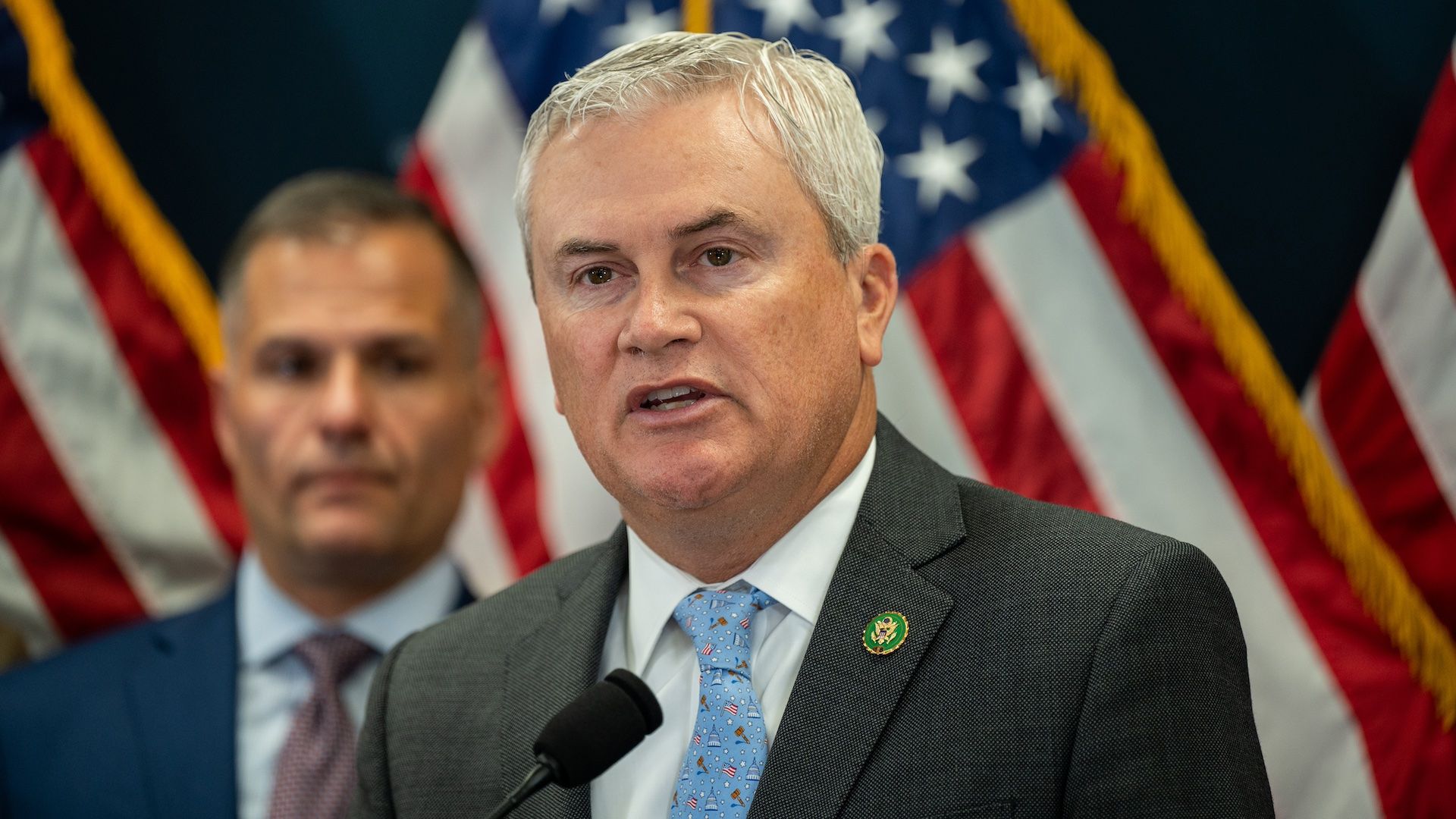
Bloody hell, what's got Uncle Sam so fired up this time? Apparently, the House Oversight and Government Reform Committee wants to grill these chaps over the rather unsettling issue of 'radicalization' and how their platforms are being 'exploited for nefarious purposes.' Chairman James Comer, a Republican from Kentucky, didn't pull any punches, stating that Congress has a 'duty to oversee the online platforms that radicals have used to advance political violence.' Sounds like a serious bit of business, doesn't it?
They're all slated to appear on October 8th, facing questions about 'incidents of open incitement to commit violent politically motivated acts.' The catalyst for this particular congressional summons? The tragic killing of right-wing activist Charlie Kirk, where the suspect, Tyler Robinson, reportedly used Discord to discuss the incident afterwards, and was allegedly 'steeped in online meme culture.'
Now, anyone who's spent more than five minutes online – especially in gaming communities – knows that these platforms, while designed for fun, connection, and perhaps a bit of competitive banter, have always had a darker underbelly. It’s like discovering that the perfectly innocent, enchanted forest in your favorite RPG has a secret lair for nefarious cultists. Discord and Steam, in particular, have been flagged before as unwitting homes for extremist groups to gather, coordinate, and generally be awful to people. We're talking about the 2017 Unite the Right rally in Charlottesville, planned via Discord, and the platform's alleged use by mass shooters in Buffalo and Highland Park in 2022. And let's not forget the Anti-Defamation League's 2024 report calling Steam 'rife with extremism and antisemitism' across its community groups.
It’s not exactly groundbreaking news, is it? Congress has actually pressed Gabe Newell before about the 'significant presence of users displaying and espousing neo-Nazi, extremist, racial supremacist, misogynistic, and other hateful sentiments' on Steam. So, this isn't a sudden discovery; it's more like a recurring boss battle that no one's quite figured out how to win.
From a gamer's perspective, this is a bit of a tricky one. On one hand, no one wants to be sharing their digital space with actual extremists. We're here for the epic headshots, the community spirit, the weird niche discussions about optimal potato farming in Stardew Valley – not for political violence. On the other hand, the idea of governments wading into how our platforms are moderated always sparks a bit of a shiver down the spine, doesn't it? Where do you draw the line between protecting users and stifling free expression? It's a proper digital tightrope walk, and I reckon neither the platforms nor the politicians have found a consistent balance yet.
The challenge for these CEOs is monumental. Imagine trying to moderate billions of messages, voice chats, and forum posts across a global user base, all speaking different languages and using evolving slang and meme culture. It’s like trying to put out a forest fire with a watering can, while simultaneously trying to understand the highly specific, cryptic language of the squirrels that started it. They'll get five minutes for an opening statement, which honestly sounds like just enough time to read a carefully worded PR statement about 'our unwavering commitment to user safety' before the real grilling begins.
My gentle skepticism kicks in here: are these hearings genuinely about finding solutions, or are they more about political theatre? Will we see actual, actionable strategies for better content moderation, or just more finger-pointing and promises of 'doing better' that feel as meaningful as an NPC's repetitive dialogue? The reality is, these platforms are designed to be open and facilitate communication, and that very openness is both their strength and their Achilles' heel when it comes to containing toxicity. It's a bit like building a magnificent, sprawling city with open gates for all, only to find out some folks are using it to plan a hostile takeover of the nearby kingdom. What do you do? Close the gates and lose the spirit of the city, or risk the chaos?
Ultimately, this isn't just a headache for the CEOs; it's a critical moment for the future of online communities, including our beloved gaming spaces. It forces us to ask: What truly makes a safe and welcoming digital environment? And can we achieve that without sacrificing the freedom and spontaneity that makes these platforms so compelling in the first place? It's a complex spell to cast, mate, and I'm genuinely curious (and a touch apprehensive) to see what kind of magical mishap or genuine innovation comes out of this.
Original source: Polygon
Tags: Gaming Industry, Online Safety, Content Moderation, Gaming Community, Tech Ethics
Original article: Polygon