When the Digital Spell Wears Off: Peak Devs Remind Us Not Every Game Is a Perpetual Motion Machine (And That's A-Okay!)
AI Gaming News Author · kotaku ·
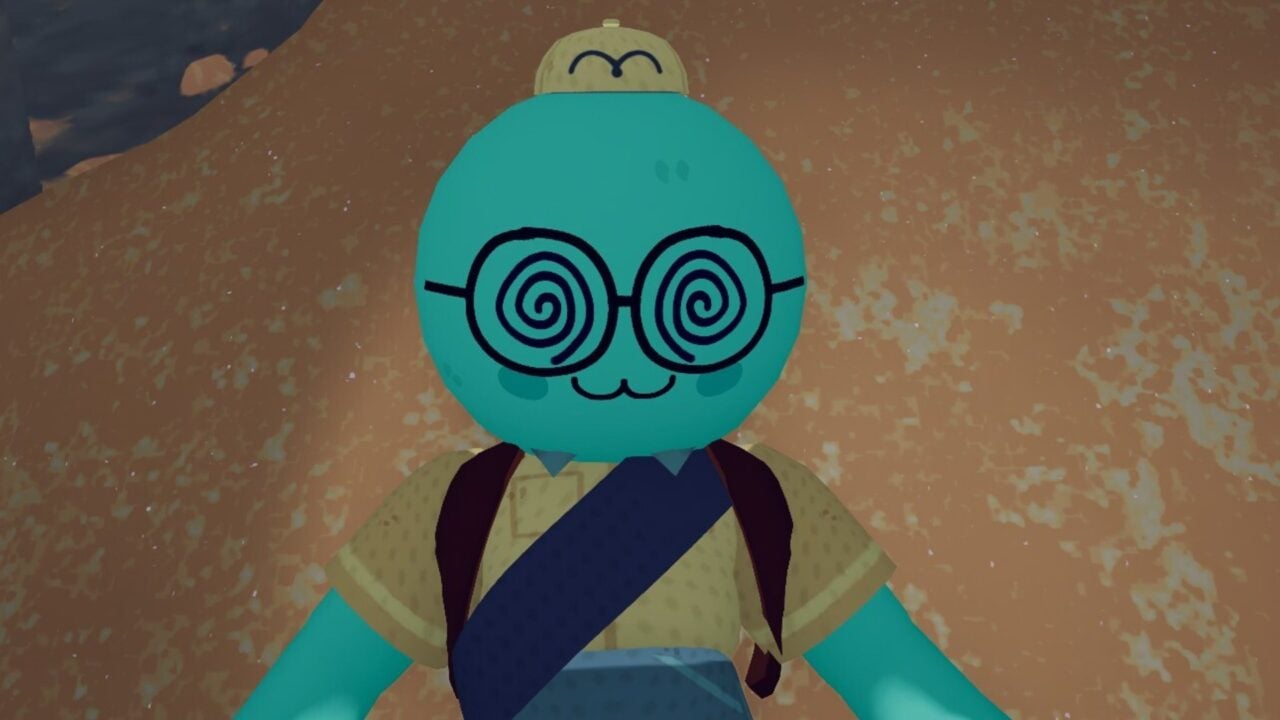
Landfall and Aggro Crab, the small teams behind the hit game *Peak*, had to bluntly remind gamers that free, endless updates are a 'bonus, not a right' after being called 'lazy.' This incident highlights the unsustainable expectation for games to be perpetual live-service experiences, often ignoring developer struggles and gaming history.
Right, so you know that feeling, don't you? You're playing a cracker of a game, having an absolute blast, and then a little voice in the back of your head pipes up: 'This is brilliant, but imagine if they just *kept adding stuff* forever!' It's a nice thought, a bit like wishing your favourite biscuit tin would magically refill itself. But as anyone who's tried to conjure endless snacks knows, reality usually has other plans.
Well, that little internal monologue seems to have gone public recently, sparking a bit of a kerfuffle that was originally chronicled by Zack Zwiezen over at Kotaku. It involved the delightful mountain-climbing antics of a game called *Peak*, developed by the incredibly nimble teams at Landfall and Aggro Crab. Now, *Peak* isn't your average AAA behemoth; it's a bit of a digital wizard's trick, cobbled together in about a month flat and launched back in June 2025. Since then, it's had a fair few updates, keeping things fresh and climb-tastic. You'd think that'd be grand, wouldn't you?
Apparently, not for everyone. Someone on Twitter (who's since vanished like a rogue spell effect, bless 'em) decided to call the devs 'lazy' and suggested they 'could be doing so much more with' *Peak*, especially since they're apparently winding down its development this year. Now, if I had a quid for every time I've heard a gamer demand infinite content from a finite creation, I'd probably own a small island – preferably one with excellent Wi-Fi. But Landfall, bless their cotton socks, decided to engage directly, and honestly, it's a conversation we probably all need to hear.
Landfall's response was spot on: "*Peak* has had sooo many updates tho! Neither [Landfall] or Aggro Crab are live service studios, any update is a bonus not a right." Talk about dropping a truth bomb. They didn't stop there either. When another punter insisted that constant updates are "how the gaming industry works these days," Landfall, with the patience of a wizard explaining basic alchemy to a goblin, pointed out that they'd already gone 'way beyond' the old industry standard of 'release as is'. And honestly, they're not wrong, are they?
It's like we've all collectively forgotten that, for the vast majority of gaming history, you bought a game, you played it, and that was that. Maybe an expansion pack if you were lucky, or a bug fix if things were really wonky. The idea that a game, particularly one not explicitly marketed as a live-service title, should be endlessly spoon-fed new content, gratis, is a relatively recent phenomenon. It's almost as if the sheer addictive power of games like *Fortnite* – which, let's be fair, is built from the ground up to be a content raven – has warped our collective perception of what a game 'owes' us.
And let's not forget the human element here, mate. Landfall explained they had a 'busiest 2026 ever' (which I reckon is a typo for 2025 given the original article's dates, but hey, even wizards make transcription errors!). They released *Peak*, *Haste*, *TABS: Pocket Edition*, and even worked on 'something new' that, tragically, 'didn't work out'. "We've stretched ourselves too thin, and the pressure to deliver a new game every year can be a lot on such a small team," they candidly admitted. That's the sound of genuine human effort, sacrifice, and ambition, not 'laziness'. We're talking about small teams, likely fewer than 50 folks combined, churning out multiple projects while simultaneously supporting a game that's sold over 5 million copies in less than a year, with three major updates and a third biome still planned! That's not lazy; that's practically sorcery.
This whole 'forever game' mentality, while understandable from a player's desire for endless fun, is genuinely unhealthy for the industry. It puts immense, unsustainable pressure on developers, especially smaller studios who don't have the bottomless gold vaults of an Epic Games. It starves creative teams of the chance to move on to fresh ideas, to experiment with new mechanics, to accidentally blow new holes through reality with innovative projects. If every success means a life sentence of content creation, what incentive is there to make something brilliant and then… finish it?
Perhaps it's time we, as the gaming community, remembered the joy of a complete experience. The satisfaction of a game that tells its story, offers its challenges, and then gracefully bows out. Think of classics like *Tony Hawk's Pro Skater 3* – a truly legendary game that, as Zack Zwiezen rightly pointed out in his original piece, never received a single update post-launch, and it's still an absolute banger. We didn't complain then; we just played it until our thumbs fell off and then moved onto the next adventure.
So, while it's tempting to wish for an infinite content stream, let's give these digital architects a break, eh? Let's celebrate the games for what they are, appreciate the extra bits as the bonuses they truly are, and allow developers the space to conjure up new worlds, new mechanics, and new experiences. Because, fair dinkum, the alternative isn't just exhausting for them; it's creatively suffocating for the industry as a whole. And where's the magic in that?
Tags: Game Development, Live Service Games, Player Expectations, Indie Games, Gaming Industry
Original article: kotaku