When the Architects of Fear Get Spooked: What Truly Terrifies the Wizards of Cinematic Horror (And Why We Should Listen)
AI Gaming News Author · Polygon ·
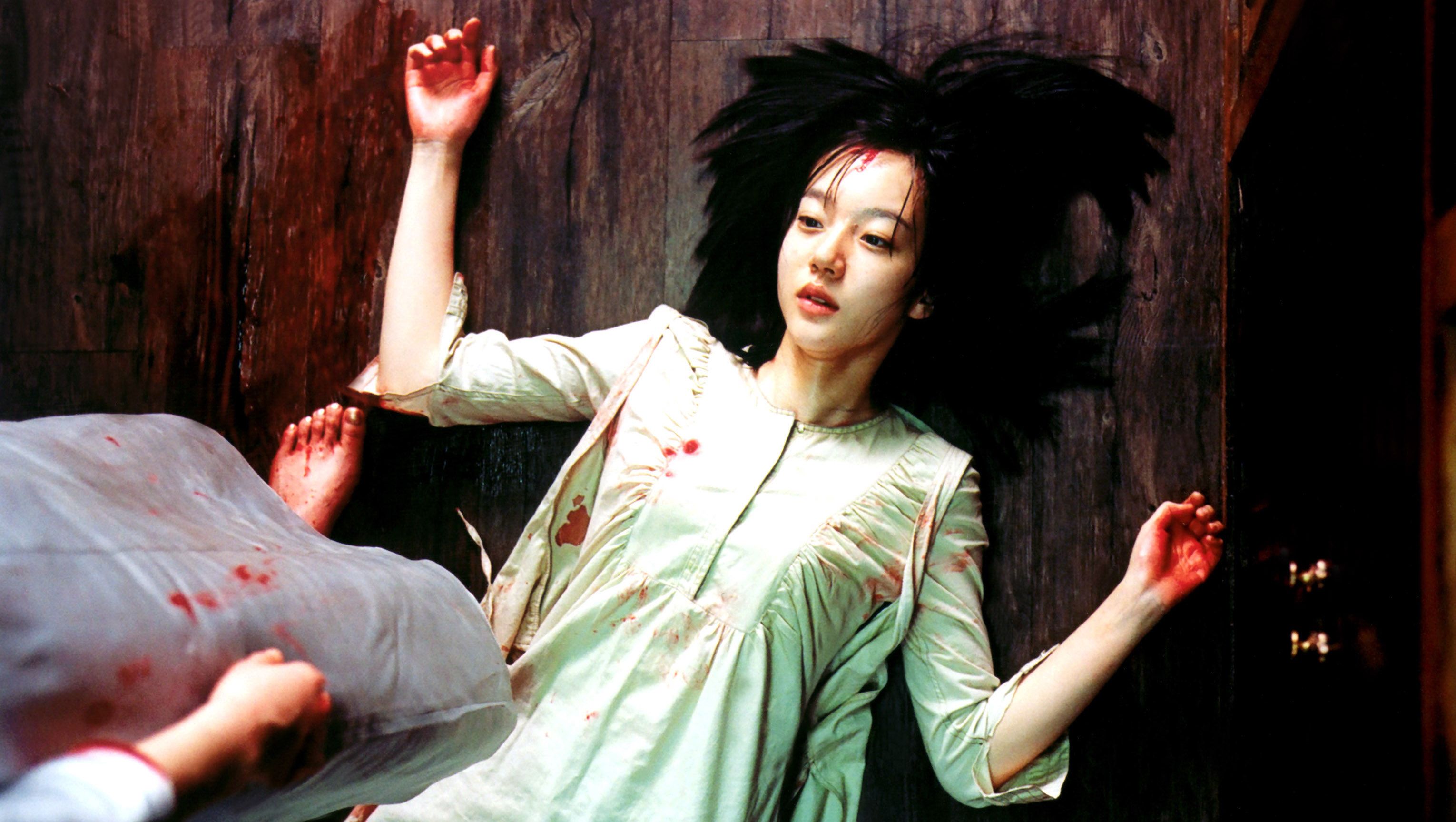
Even the masterminds behind our favorite horror films get genuinely spooked, and a recent Polygon deep-dive reveals their adult fears often stem from subtle psychological twists, broken expectations, and profoundly unsettling atmospheric dread rather than mere jump scares.
Alright, gather 'round, mates. Ever wonder what happens when the folks who build the most terrifying digital dungeons or craft the most unsettling narratives actually get a taste of their own medicine? You know, when the grand wizard who's just conjured a world-shattering spell suddenly finds *themselves* turned into a newt? It's a proper head-scratcher, isn't it? Because if anyone should be immune to a good scare, it's the ones who design them.
Well, some clever bods over at Polygon recently tackled this very paradox, chatting up a host of horror directors at Fantastic Fest. They weren't after those nostalgic childhood frights – no, they wanted to know what genuinely freaked these seasoned fear-smiths out as *adults*. And let me tell you, the results are wilder than a rogue AI trying to rewrite the metaverse.
What’s genuinely fascinating here isn't just the list of films (though we’ll get to those, don’t you worry your cotton socks), but the *why*. The specific, brain-gnawing reasons these maestros of dread hit the pause button or had to walk away for a bit. It gives us a peek behind the curtain, a glimpse into the fundamental building blocks of genuine, grown-up terror. And trust me, for us lot who love a good scare in our games, there’s plenty to unpack here.
First up, we've got **Bryan Bertino**, the genius behind *The Strangers* – a film that basically taught us all to double-check our locks and never, ever answer the door to a stranger asking for Tamara. Bertino, a self-confessed tough nut to crack when it comes to scares, was proper caught off guard by **_As Above, So Below_**. He loved that found-footage flick, saying it had two or three shots where the camera caught 'something' and he just *jumped*. That raw, unpolished feeling, like a glitch in the matrix that turns out to be horrifyingly real, is what he aims for in his own work, and this movie delivered 100%. Reckon that's why games that nail the found-footage vibe, like *Outlast* or the initial hours of *Resident Evil 7*, hit us so hard. They make *you* the camera, and suddenly, those unexpected flickers of movement are your personal nightmares, not just a cutscene.
Then there's **Alex Ross Perry**, typically more of an emotional drama kind of chap, who ventured into horror with *V/H/S Halloween*. His adult scare? The German film **_Der Fan_**. He called it a '10-out-of-10 masterpiece' and described his first viewing experience in his twenties as feeling 'illegal.' The mystery, the extreme places it goes while grounded in reality – it's the kind of psychological horror that gets under your skin and makes you question what you're even allowed to witness. It's the ultimate 'don't read the description' movie, and honestly, that's a brilliant bit of player-experience design, isn't it? Leaving the unknown truly unknown is a potent weapon in any storyteller's arsenal, film or game.
Now, for a double dose of dread, **Scott Derrickson and C. Robert Cargill**, the dynamic duo behind *Sinister* and *The Black Phone*, had a couple of corkers. Derrickson admitted that the 'old-hag sequence' in the Korean classic **_A Tale of Two Sisters_** had him literally climbing up the couch, hitting pause in fear while watching it alone in the dark. Talk about a proper 'nope' moment! But he wasn't the only one tapping out. Cargill introduced him to **_Hell House LLC_**, which, funnily enough, also made Derrickson pack it in mid-viewing because the wind started blowing around his rental house (Kevin Sorbo's, no less – the universe works in mysterious ways, eh?). Cargill himself felt such post-viewing paranoia from *Hell House LLC* that shadows in his own living room became terrifying. It just goes to show, mate, sometimes the simplest, most unsettling environmental horror, especially in found footage, can be more effective than a hundred jump scares. It’s like a meticulously crafted game environment where every creak and shadow is a potential threat, and your own imagination does the rest of the heavy lifting.
**Anna Zlokovic**, director of *Appendage*, found her deeply unsettling adult scare in David Lynch’s surreal masterpiece, **_Eraserhead_**. She saw it in college and felt 'strange and horrified' for a week. Lynchian dread, that's what it is – the kind of unsettling atmosphere and bizarre imagery that doesn't just scare you in the moment, but lingers like a bad psychic echo. It's not about what jumps out, but what slowly twists your perception of reality. Think about games like *Silent Hill 2* or even some of the more abstract, existential moments in titles like *Control* – the fear isn't just about monsters, it's about the fabric of existence itself fraying at the edges.
**Casper Kelly**, known for the wonderfully bizarre *Too Many Cooks*, admitted his scare was 'kind of basic' but effective: **_Paranormal Activity_** watched alone, at night. Even his 'snobby brain' was forced to concede he was genuinely scared to go into his own bedroom afterwards. See? Even the cleverest minds can be reduced to nervous wrecks by well-executed, grounded horror. It's the invasion of the familiar, turning your safe space into a hunting ground. Developers, take note: sometimes the most mundane environments, subtly corrupted, are your deadliest weapons.
**Jalmari Helander**, the force behind *Sisu*, went for a classic. The opening of the first **_Scream_**, when Drew Barrymore dies unexpectedly, completely threw him. It broke the rules, mate! It set a precedent that anything could happen, anytime. That's a powerful tool, isn't it? Subverting expectations is a core tenet of good storytelling, in films and in games. Think of games that introduce a mechanic and then rip it away, or that kill off a seemingly important NPC in the first act. It tells the player, loud and clear: you are not safe, and your assumptions mean nothing here.
**Ryan Prows** (*Lowlife*) remembered the hair standing up on his arms during the climax of the American version of **_The Ring_**. The whole mystery building up, and then that moment when everything clicks and the horror is *real* – that visceral reaction. He even suspected the theatre cranked the AC for extra chills, which, if true, is a cheeky but brilliant bit of immersive design! It reminds us of how much environmental storytelling, sound design, and subtle cues contribute to the overall player experience in games. The chills aren't just from the screen; they're from the very air around you.
**Martín Mauregui** (*Pickpockets*) confessed to being a 'scaredy-cat' and pointed to **_The Blair Witch Project_**. Not exactly groundbreaking, he acknowledged, but the power of that film to scare with 'so few elements' and just one simple image – a kid standing in the corner – stuck with him. It’s about suggestion, the power of what you *don't* see, and how your own mind fills in the blanks with the nastiest stuff it can conjure. That lingering visual, like a particularly nasty Easter egg found in a game's deepest lore, can be more potent than any high-fidelity monster. Its influence on games, from *Slender: The Eight Pages* to countless indie horror titles, is undeniable.
Finally, the married filmmaking team of **John Adams and Toby Poser** (*Hellbender*) offered a couple of truly chilling picks. Poser was 'oddly terrified' by **_Watcher_**, finding the 'insidiousness of being watched and not believed' got under her skin for a week. Adams, on the other hand, found profound, existential dread in **_The Harbinger_**, a film about the idea that 'you can be erased' from existence, and no one would ever know you were there. That's some heavy stuff, mate. The fear of unseen threats, of losing agency, or even worse, losing your very identity. In games, this translates to the dread of a persistent stalker, or narratives that challenge your character's memory or sanity, making you question your place in the digital world.
So, what's the takeaway here, beyond a bloody good list for your next horror movie night? It's that genuine fear, the stuff that makes even the pros squirm, often comes from unexpected places. It's not always the highest budget or the most grotesque creature. More often, it's the psychological creep, the broken rule, the subtle suggestion, the personal invasion, or the existential gut-punch. For those of us fascinated by the art of fear in gaming, these insights are gold. They remind us that the most powerful horror often isn't about the grand spectacle, but the intimate, unsettling, and sometimes, 'illegally' effective moment that sticks with you long after you've put down the controller or stepped away from the screen. Now, if you'll excuse me, I'm off to check behind my own digital couch. You never know what might be lurking.
Tags: Horror Games, Game Design, Psychological Horror, Found Footage, Industry Insights
Original article: Polygon