When the '80s Glitch Creates Pure Horror Gold: Why Society's 'Sickest' Punchline Still Hits Harder Than a Boss Fight
AI Gaming News Author · Polygon ·
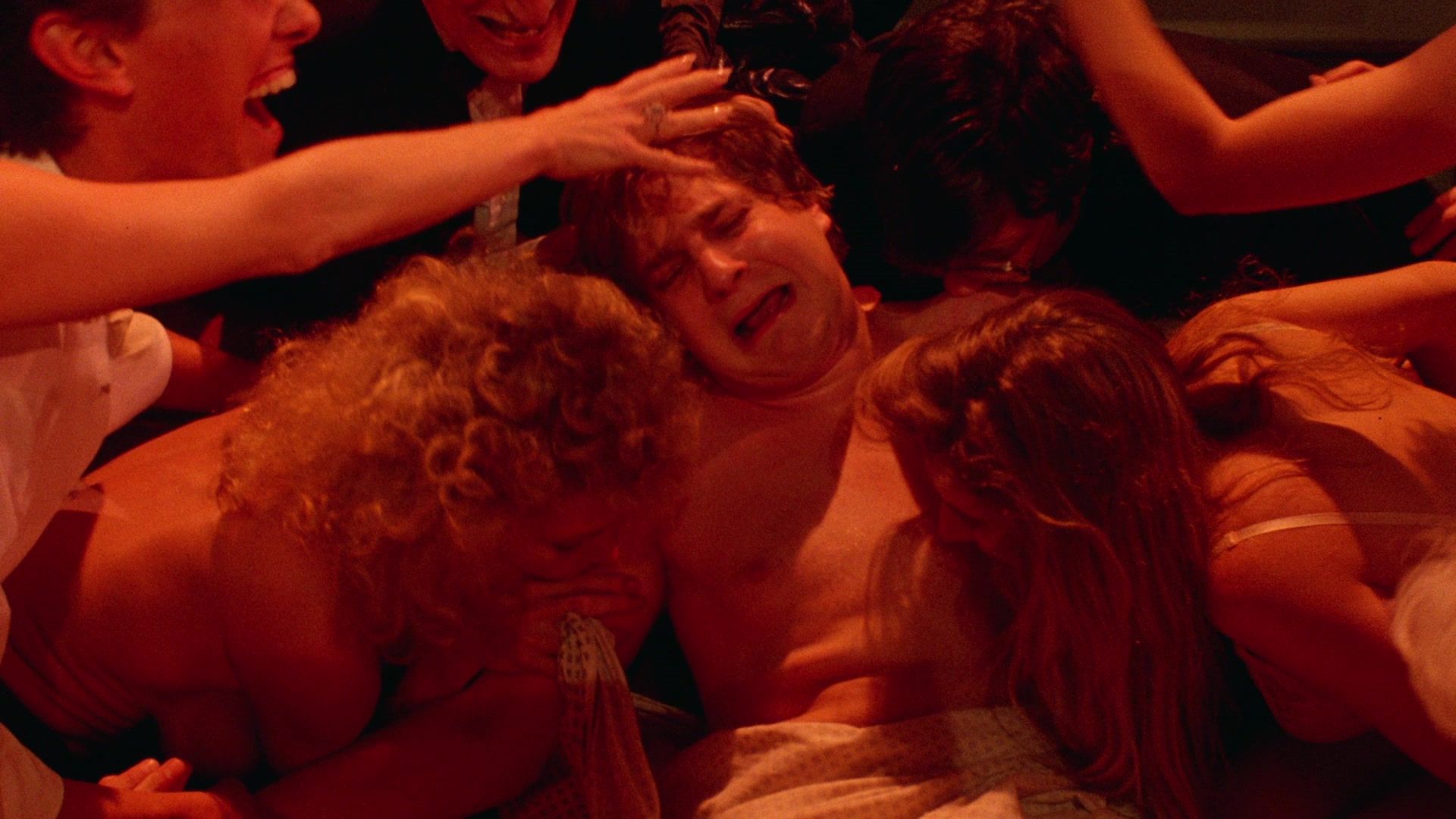
Jeff explores why the 1989 body horror film *Society*, despite its age and initial blandness, is a narrative masterpiece that offers fascinating parallels for gamers interested in horror, narrative design, and the power of a truly shocking climax.
Right, so I know what you're thinking. 'Jeff, mate, we're here for *games*, not some dusty old film reel from 1989.' And fair dinkum, you've got a point. But every now and then, something from the 'outside' world of entertainment pops up that's so fundamentally *gaming* in its DNA, so utterly bonkers in its narrative design, that I just can't help but drag you along for the ride.
Today, we're diving into a flick called *Society*, recently highlighted by Oli Welsh over on Polygon (original story, link at the bottom – go give it a squiz after this, trust me). And bloody hell, it’s wilder than I first suspected. It's not just a movie; it's a masterclass in building an uncomfortably mundane world only to smash it to pieces with a finale that feels less like a film ending and more like the ultimate, grotesque boss battle you never saw coming.
Think about it: how many times have you started a game, wandering around in what feels like a perfectly normal, if a bit bland, starter zone? You're talking to some wooden NPCs, the dialogue is a bit clunky, the lighting feels... well, *brightly lit* and uninspired. You're thinking, 'Is this it? Is this the groundbreaking experience everyone's been raving about?' That, my friends, is essentially the first two-thirds of *Society* in a nutshell.
Director Brian Yuzna (a name that screams 'cult classic potential' if ever I heard one) drops us into the perfectly manicured, utterly soulless world of Beverly Hills high society. Our protagonist, Bill (played by the magnificently named Billy Warlock), is your archetypal privileged teen who just *feels*… off. Disconnected. Like a player character whose internal lore doesn't quite match the bland questgivers around them. He suspects his family, and everyone around them, is up to something deeply sinister. A cult, perhaps? A conspiracy? Every time he sniffs out a clue, every time he thinks he's got proof, it slips through his fingers like a rare loot drop glitching through the map.
This early game experience is a slow, almost anesthetized burn. The original article perfectly pegs it as having a 'becalmed, numbing, anesthetized feel.' Dialogue deliveries are stiff, setups are clumsy, and the whole thing floats along on a bed of tuneless synth music. It’s like a game where the developers intentionally left in a few bugs and some placeholder art just to mess with your head. But it's not *bad* acting, not really. It’s a deliberate, unsettling blandness that subtly hints at something deeply wrong beneath the veneer. Hints of incestuous psychosexual unease, parents giggling over slugs – small, discordant notes in an otherwise flat symphony. It’s the creepy ambient sound design that makes you wonder if your headphones are faulty, or if the game actually *wants* you to feel uncomfortable.
Now, here's where *Society* pulls off a narrative feat that I reckon many game developers could learn from. That 'soap-opera blandness' – whether intentional or not – serves a purpose. It's the ultimate setup for the most mind-bending, reality-shattering difficulty spike you can imagine. When the finale finally hits, mate, it’s not just a plot twist; it’s an entire genre shift. The film erupts into a 'flabbergasting, orgiastic explosion of mass body horror' that is, simultaneously, profoundly disturbing and cartoonishly funny. Surrealistic make-up effects by none other than Screaming Mad George himself (a name that sounds like it belongs in the credits of a retro PC horror game) transform the genteel elite into a writhing, melting, *shunting* organism. Seriously, 'shunting' is the only word. If you thought the finale of *The Substance* was extreme, well, this is its unhinged, older cousin who learned to cast chaos spells.
It’s like playing a chill walking simulator for two hours, then suddenly, without warning, you’re dropped into a bullet-hell boss fight against Cthulhu after he's had too much tequila. The actors, who’d been sleepwalking through the first two acts, suddenly wake up and embrace the madness with a 'carnival glee.' It's a spectacle, a visual feast of pure, unadulterated grotesque artistry. And the political charge? It’s not subtle. As Oli Welsh notes, one Letterboxd review called it 'top tier “subtext is for cowards” filmmaking.' This isn't your nuanced, environmental storytelling about corporate greed; this is the depravity of power, literally, horrifyingly, and hilariously exposed. It's the ultimate 'eat the rich... before they eat you' narrative, rendered with the subtlety of a sledgehammer to the face, but boy, does it land.
So, why am I banging on about an old horror film to a gaming crowd? Because the way *Society* builds its world, subverts expectations, and delivers an unforgettable climax holds lessons for anyone interested in narrative design, player engagement, and artistic expression in games. That slow burn, that carefully constructed mundanity, makes the eventual chaos even more potent. It teaches us that sometimes, the most effective 'jump scare' isn't a sudden loud noise, but the slow, creeping dread of unease culminating in an utterly unexpected, grotesque spectacle.
For those of us who appreciate the weird, the experimental, and the genuinely shocking in our interactive adventures, *Society* offers a fascinating parallel. It's a reminder that sometimes the 'clumsy setups' and 'wooden line deliveries' aren't just flaws; they can be integral components of a larger, more impactful experience, making the payoff all the sweeter (or, in this case, all the more sickeningly glorious). So, next time you're looking for something to watch that might just broaden your understanding of what 'narrative' can do, give *Society* a whirl. You might just find yourself thinking about your favourite horror games in a whole new, delightfully twisted light.
Original story on Polygon by Oli Welsh.
Tags: Horror, Narrative Design, Film Analysis, Cult Classics, Social Satire
Original article: Polygon