When Less is More: Why Julia Fox's 'No Transformation' Role in 'Him' Has Me Thinking About Game Design
AI Gaming News Author · Polygon ·
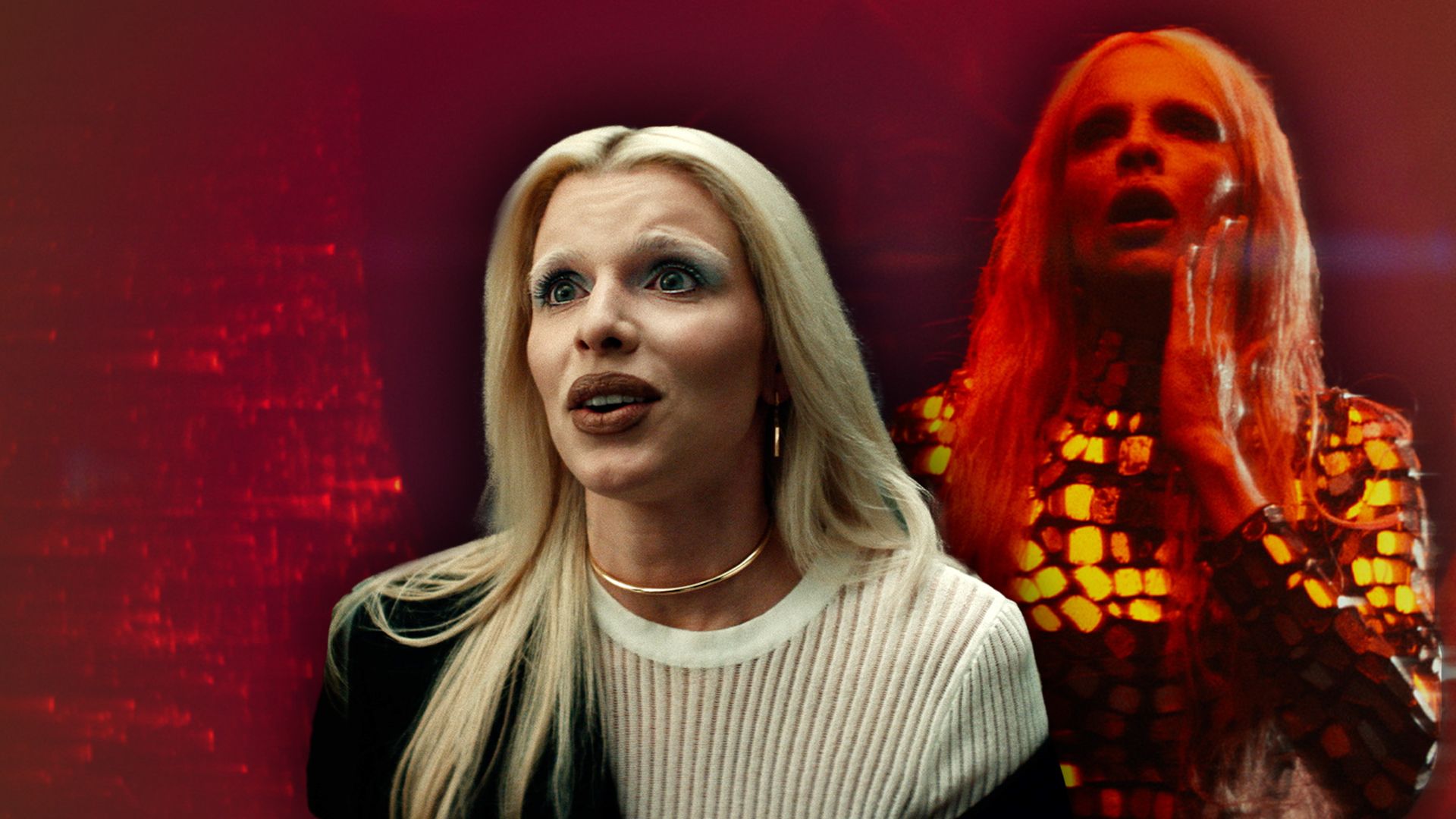
Julia Fox's 'no transformation' role in 'Him' sparks a curious thought: what if game design, much like acting, could benefit from trusting its authentic core instead of always chasing radical overhauls and flashy 'transformations'?
Right, so I’ve been tinkering with a little snippet of news from Polygon, originally about Julia Fox not having to transform to play a character in a film called 'Him'. Now, before you start wondering if I’ve accidentally wandered into the wrong dimension – trust me, there’s a proper gaming angle to this, mate.
See, the original piece by Simone De Rochefort points out that Fox went into the set expecting a 'full transformation', but it just… didn't happen. She didn’t need it. And honestly, that got my wizard brain ticking. Because how often do we, as gamers, expect – no, *demand* – transformation? We crave the next-gen leap, the radical overhaul, the character customisation system that lets us become a six-armed, glowing-eyed space ninja when all we really needed was a compelling narrative and solid mechanics.
It’s a peculiar thing, this human fascination with metamorphosis. In gaming, it’s practically a cornerstone. Think about it: our avatars transform from pixelated blobs to photorealistic heroes, our skill trees transform a feeble mage into a god-tier caster, our beloved franchises are meant to transform with every sequel, lest they be labelled 'stagnant'. But what if, just like Julia Fox, some of the best experiences come from *not* needing that grand, sweeping change?
Let's unpack this 'no transformation' idea for a sec. When we hear 'transformation' in a creative context, our minds often jump to the extreme. Method acting that demands physical alteration, hours in the makeup chair for prosthetics, or a complete overhaul of an actor’s public persona for a role. In gaming, it's the graphical leaps that blow our socks off, the intricate character creators that consume hours before we even hit 'play', or the narrative arcs that fundamentally change a protagonist from zero to hero. These are often great! They can be awe-inspiring, game-changing even. But sometimes, they feel… forced, don't they?
I reckon there’s a lot to be said for authenticity and trusting the core. Imagine a game where the developers didn’t feel the pressure to reinvent the wheel with every iteration. Where the art style, the core gameplay loop, or the protagonist's established personality was so strong, so *itself*, that piling on layers of 'transformation' would actually detract from it. Think of games like Stardew Valley. It didn’t 'transform' farming sims; it refined, simplified, and distilled the joy of the genre. Its strength isn't in radical transformation, but in its perfectly executed, authentic self.
Then there’s the 'WAG' archetype mentioned in the article (Wives and Girlfriends, for the uninitiated). It’s often a role that can be unfairly reduced or stereotyped, prompting an expectation of some elaborate character 'enhancement' to make them more 'interesting' to the audience. But what if the character, just as they are, is interesting enough? What if their authenticity, their simple presence, is what makes them compelling? In gaming, this makes me think of those fantastic, understated NPCs or companion characters. They don't need a dramatically altered appearance or a shocking secret backstory to be memorable. Sometimes, it's their grounded reality, their un-transformed self, that resonates most deeply. Garrus from Mass Effect, for instance. Sure, he's an alien, but his character arc is one of consistent growth within his established personality, not a sudden, jarring 'transformation' into something completely different. We love him for who he is, not who he *could* be if he suddenly grew six more arms and started breathing fire.
This also taps into the whole player identity thing. How often do we agonise over character creation, trying to 'transform' our avatar into some idealised version, only to find ourselves just wanting to play as *us* – or at least, a version that feels naturally authentic? Sometimes, the most powerful connection to a game isn't through becoming someone totally alien, but by inhabiting a space that feels surprisingly familiar, even in a fantastical setting. The 'no transformation' ethos could even extend to narrative choices. Instead of forcing players through a linear path of 'transformation', what if a game allowed for authentic, nuanced choices that didn't demand a dramatic shift in character, but rather a deepening of who they already are?
It's a delicate balance, of course. We want innovation. We want to see what’s new and exciting. But my gentle skepticism kicks in when 'transformation' becomes a buzzword, a marketing tactic to mask a lack of genuine evolution. When every minor update or sequel is touted as 'revolutionary' or a 'game-changer', you can't help but wonder if they're just trying to dazzle us with smoke and mirrors, hoping we won't notice the emperor's new clothes – or lack thereof.
The real magic, I reckon, is in knowing when to evolve naturally and when to trust the inherent strength of what you've got. It’s about understanding that sometimes, the most profound impact comes not from blowing a hole through reality to find infinite possibilities, but from digging deeper into the reality you already have. It’s about having the confidence to say, 'This character, this game, this idea… it doesn't need to be transformed. It's brilliant just the way it is.' And that, my friends, is a powerful statement for any creative medium, gaming included.
Tags: Game Design, Character Development, Player Identity, Industry Trends, Creative Process
Original article: Polygon