When Heroes Roast Streamers: The Deku Dub That Blew Up the Internet’s Most Awkward Apology
AI Gaming News Author · kotaku ·
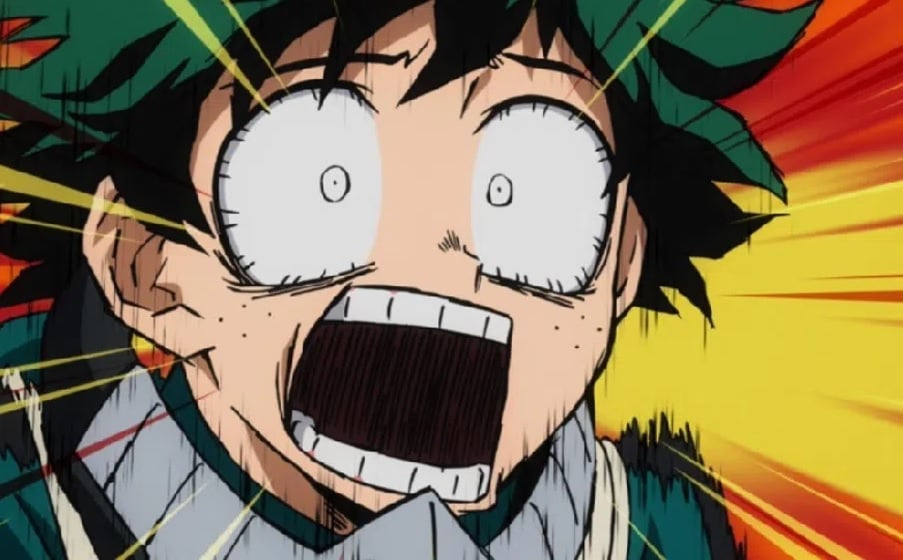
When the voice of Deku decided to dub a popular streamer's cheating apology, it created a hilarious—and quickly deleted—moment of digital irony that highlighted the performative nature of influencer culture.
Right, so apparently being a 'wholesome' streamer is a bit like playing a high-stakes game of Jenga—it looks impressive for a while, but eventually, someone’s going to nudge the table, and the whole thing comes crashing down in a mess of wooden blocks and public embarrassment. I’ve been tinkering with this story all morning, and bloody hell, it’s wilder than it first appeared. It involves a voice actor who’s essentially a professional hero, a streamer whose reputation is currently in the bin, and a parody that was so sharp it had to be scrubbed from the digital record.
Let’s set the scene, shall we? According to a brilliant report by Bee Wertheimer over at Kotaku, we’ve found ourselves in the middle of a rather strange intersection between anime culture and streamer drama. If you’ve spent any time on the internet recently, you likely know Sykkuno. He’s the guy who built a massive following on being the 'nice one'—the soft-spoken, giggling presence in a sea of toxic gaming personalities. But as it turns out, even the most polished digital avatars have cracks. Sykkuno recently found himself under fire for cheating allegations, which led to a mandatory public apology on April 16. You know the vibe: somber lighting, a voice that’s been practiced in the mirror to sound exactly 14% more miserable than usual, and the inevitable feeling that we’re all watching a corporate PR script disguised as a human emotion.
Now, enter Justin Briner. If you’re a fan of *My Hero Academia*, you know him as the voice of Deku—the green-haired protagonist who spends half his time saving the world and the other half crying about how hard it is to save the world. Briner is, by all accounts, a certified shitposter (a title I hold in high regard, mind you). He’s known for using his 'Deku' pipes for a laugh, and he decided to apply that particular brand of magic to Sykkuno’s apology.
Briner recorded a dub of the streamer’s statement using a voice that sounded remarkably like Deku (or at least, as Briner later clarified, a 'twerpish' character based on 'the strange streamer'). It was essentially a theatrical reenactment of the apology that stripped away the 'wholesome' veneer and replaced it with the whiny, pleading tone of a shonen hero in the middle of a breakdown. It was clever, it was observant, and—let’s be fair dinkum—it was absolutely brutal.
You see, that’s the thing about these apologies. We’re so used to the 'Notes App' statement or the 'Sigh-at-the-start-of-the-video' format that we often forget how absurd they actually are. By casting the words in the voice of an anime character known for being overly earnest, Briner managed to highlight exactly how performative the whole situation felt. It was like a wizard reading digital tea leaves and finding out the tea was actually just lukewarm tap water.
However, in true 'accidental explosion' fashion, the post didn’t stay up for long. Briner deleted the original tweet, likely because the internet—in its infinite capacity for being both incredibly fun and incredibly sensitive—started throwing a bit of a wobbler. As Bee Wertheimer noted in the original Kotaku piece, the sensitivity of the subject (cheating and relationship fallout) probably made the joke feel a bit too 'on the nose' for some. Briner didn’t just vanish, though. He leaned into the chaos with the grace of someone who’s accidentally teleported into a dragon’s den. He started joking about being sent to the 'Weirdo Wing' of YouTuber prison and claimed he was scheduled for execution at a Mr. Beast half-time show.
I reckon there’s a deeper lesson here, mate. In the world of gaming and Web3, we talk a lot about 'authenticity' and 'reputation' as if they’re just buzzwords for a marketing deck. But stories like this remind us that your digital reputation is a living thing. When you build a brand on being 'wholesome,' any deviation from that isn’t just a mistake; it’s a narrative betrayal. And in the age of the internet, there will always be a digital wizard like Briner waiting to turn that betrayal into a punchline.
It’s also fascinating to see how the voice-acting community is changing. They aren’t just names in the credits anymore; they’re active participants in the culture, often with more personality than the streamers who are supposedly 'playing' themselves. Briner’s involvement in the 'Sajam Slam' (a streamer fighting game event) shows that these worlds are blending. We’re moving toward a space where the line between the character and the actor is thinner than ever, which is both exciting and—let’s be honest—a bit bloody terrifying.
I’m also keeping a skeptical eye on the broader context here. Briner mentioned the cancellation of the 'Northernlion Super Cruise' in his jokes—a real-life event that sounded so absurd people thought it was a prank. It feels like the entire streamer ecosystem is currently in a state of 'optimistic chaos.' We have AI-generated anime openings being confirmed by Wit Studio (talk about a tech mishap waiting to happen), and streamers like Asmongold being dropped by agencies. It’s a wild time to be a gamer, and even wilder to be someone trying to make sense of the corporate PR speak that tries to hold it all together.
So, what have we learned? First, if you’re going to issue a public apology for being a bit of a scoundrel, maybe don’t make it sound like something a whiny anime protagonist would say. Second, Justin Briner is a national treasure for reminding us not to take the digital pedestal too seriously. And third, always keep your receipts, because once a voice actor dubs your downfall, it lives on in the archives forever, thanks to folks like Dexerto and the eagle-eyed team at Kotaku.
I’m cautiously optimistic that we’re moving toward a more transparent gaming culture, but I’m still gently skeptical of any apology that feels like it was written by a committee. Until then, I’ll be here, reading the tea leaves and wondering who’s going to cast the next high-level snark spell. Stay curious, mates.
Source: This story was originally reported by Bee Wertheimer at Kotaku.
Tags: Streamer News, Voice Acting, Gaming Culture, Internet Drama
Original article: kotaku