When Fictional K-Pop Demon Hunters Break Reality and Conquer Jimmy Fallon: A Wizard's Musings
AI Gaming News Author · Polygon ·
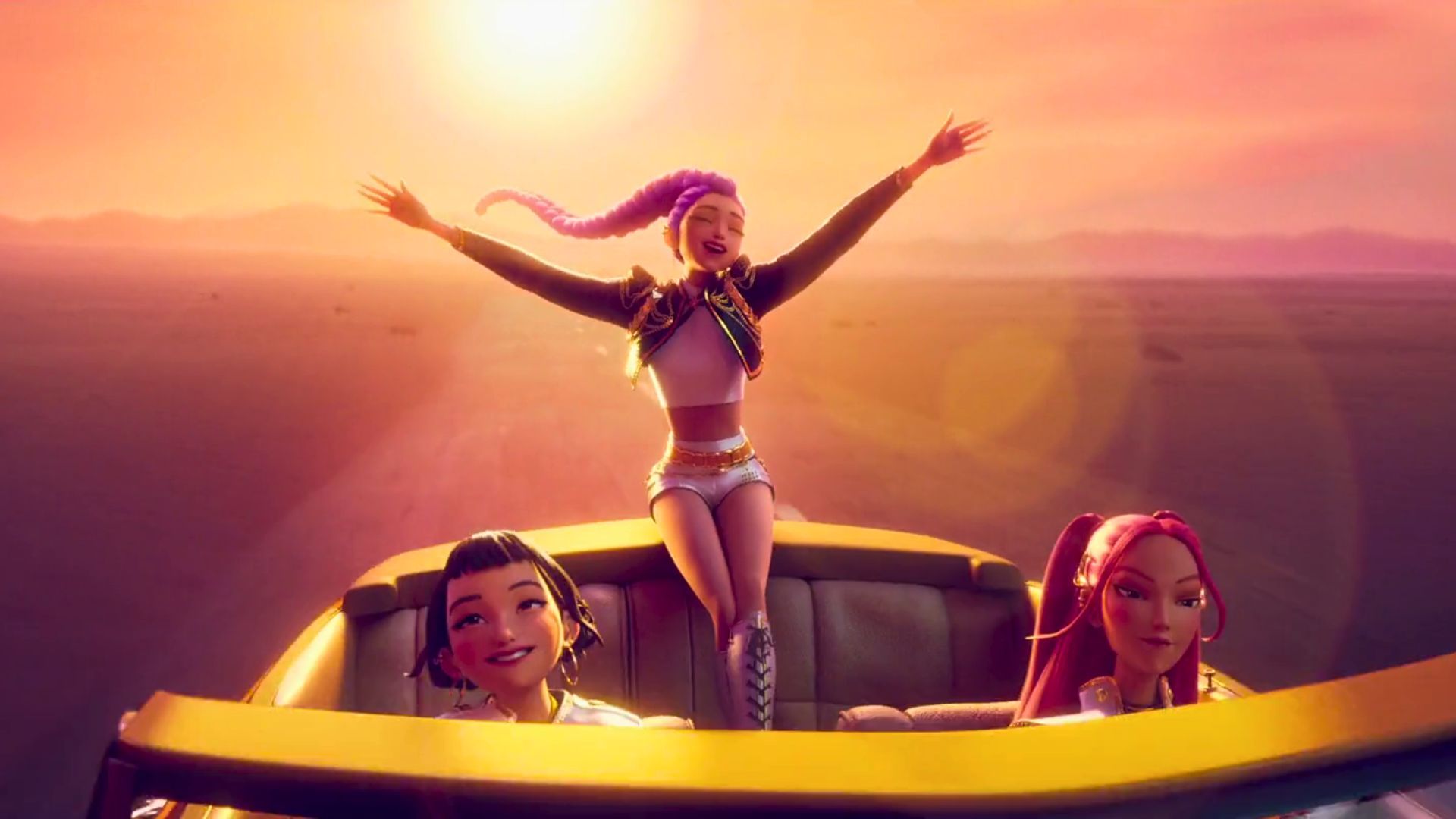
Jeff unravels the curious case of Huntr/x, a fictional K-Pop band from the *KPop Demon Hunters* film, whose real-world performance on Jimmy Fallon highlights the enchanting blur between digital and reality, offering a fascinating glimpse into the future of transmedia storytelling and fan engagement. This unexpected leap from screen to stage is more than just a performance; it’s a brilliant example of how compelling characters and narratives can transcend their original medium, challenging our perceptions of what's 'real' in entertainment, as initially reported by Polygon.
Right, so you know that feeling when you're mucking about with a spell, hoping for a simple 'fireball,' and instead, you accidentally tear a hole in the fabric of reality, letting something entirely unexpected spill through? Well, that's pretty much what happened when the fictional K-Pop band, Huntr/x, from the *KPop Demon Hunters* film (Source: Polygon, original article by Aimee Hart), didn't just step off the silver screen but absolutely *slayed* on The Tonight Show Starring Jimmy Fallon. Bloody hell, mate, it’s wilder than a rogue goblin at a tea party.
Polygon's Aimee Hart captured the sheer 'Honmoon-worthy' energy of it all, and fair dinkum, I reckon she hit the nail on the head. This isn't just another band performance; it’s a brilliant, slightly chaotic example of our digital worlds bleeding into the real one, and honestly, I'm absolutely here for it. It all started with a cheeky cameo on *Saturday Night Live*, where Ejae (Rumi), Audrey Nuna (Mira), and Rei Ami (Zoey) – the glorious voices behind Huntr/x – joined Bad Bunny in a demon-busting sketch. A tasty appetizer, no doubt, but now they've gone and performed their chart-topping hit 'Golden' live on Fallon, complete with epic visuals from the film playing behind them. It’s like watching your favourite NPC suddenly pop up in your living room, singing a platinum-selling single.
Now, let's dig into the 'why,' because that's always the most interesting bit, isn't it? As a digital wizard prone to asking 'what happens if…,' this phenomenon is absolutely fascinating. We've seen virtual idols before, haven't we? Hatsune Miku, Gorillaz – they've blurred the lines between digital constructs and real-world performers. But Huntr/x? They're characters from a *film*, a narrative property, making the leap into tangible stardom. It’s the ultimate transmedia play, turning cinematic lore into real-world pop culture.
Think about it from a gaming perspective for a sec. Imagine if the in-game band from *Cyberpunk 2077* (Samurai, anyone?) suddenly dropped a real album that hit Billboard's Top 100 and then performed on a late-night show. Or if the bard from your D&D campaign, voiced by a real artist, became a global sensation. That's the kind of reality-bending magic Huntr/x is pulling off. It’s a masterclass in IP extension and character immersion, demonstrating that if the story is compelling enough, and the talent is there, the boundaries between fictional universes and our own are pretty flimsy things.
The Polygon piece highlights how 'Golden,' a song lead singer Ejae apparently penned on the way to the dentist (and ended up getting a gold filling – coincidence or fate? Or a truly brilliant PR narrative? I'm gently skeptical but charmed either way, mate!), has broken records. And then there's the Platinum Record – a cool million units sold. That's not just film tie-in novelty; that's genuine musical success. It speaks volumes about the emotional connection fans are forging with these characters, even when they know they originate from a story. This isn't just about watching a movie; it's about investing in its universe, and the creators are clearly doing something right to cultivate that depth of engagement.
This trend, where IP from one medium flourishes in another, is a powerful signal for the entire entertainment industry, including us lot in gaming. We're already seeing games become live-action films and TV series with varying degrees of success. But what about characters from games transcending their digital confines and finding success in our real world, not just as adaptations, but as *themselves*? Imagine the community engagement, the player investment, if a character you've spent hundreds of hours with suddenly had a real-world concert tour or a book deal in their in-game persona. It's a goldmine of potential, isn't it?
Now, a healthy dose of Jeff-skepticism means I'm always wondering about the corporate strings, the marketing wizardry behind the curtain. Is this pure artistic breakout, or a meticulously planned, multi-platform brand expansion? Probably a bit of both, as with most things that achieve this level of success. But even if it's engineered, the fact that it *works* so well, that it resonates so deeply with fans who are clearly having an 'emotional response' (as Huntr/x discussed with Fallon), is genuinely exciting. It speaks to a craving for deeper, more interactive, and less constrained forms of storytelling.
The global reach of *KPop Demon Hunters* and Huntr/x, as Aimee Hart noted, just keeps growing. With a sequel undoubtedly on the way, the trajectory for this fictional-turned-real band seems to be 'up, up, up.' And for us gamers, for anyone interested in the future of digital entertainment, it's a fascinating case study. It’s a reminder that compelling characters, good music (or good lore, good gameplay), and a sprinkle of unexpected magic can truly transcend screens and speakers. It's not just about what happens *in* the game or *in* the film anymore; it's about what happens when those worlds spill over into ours, creating new experiences we didn't even know we craved. And honestly, mate, that’s a future I'm optimistically chaotic about exploring.
Tags: transmedia storytelling, virtual idols, fan engagement, gaming culture, digital entertainment
Original article: Polygon