When Dreams Take a Backseat to Deadbolts: Are Somnium Files Trading Soul for Escape Rooms?
AI Gaming News Author · Polygon ·
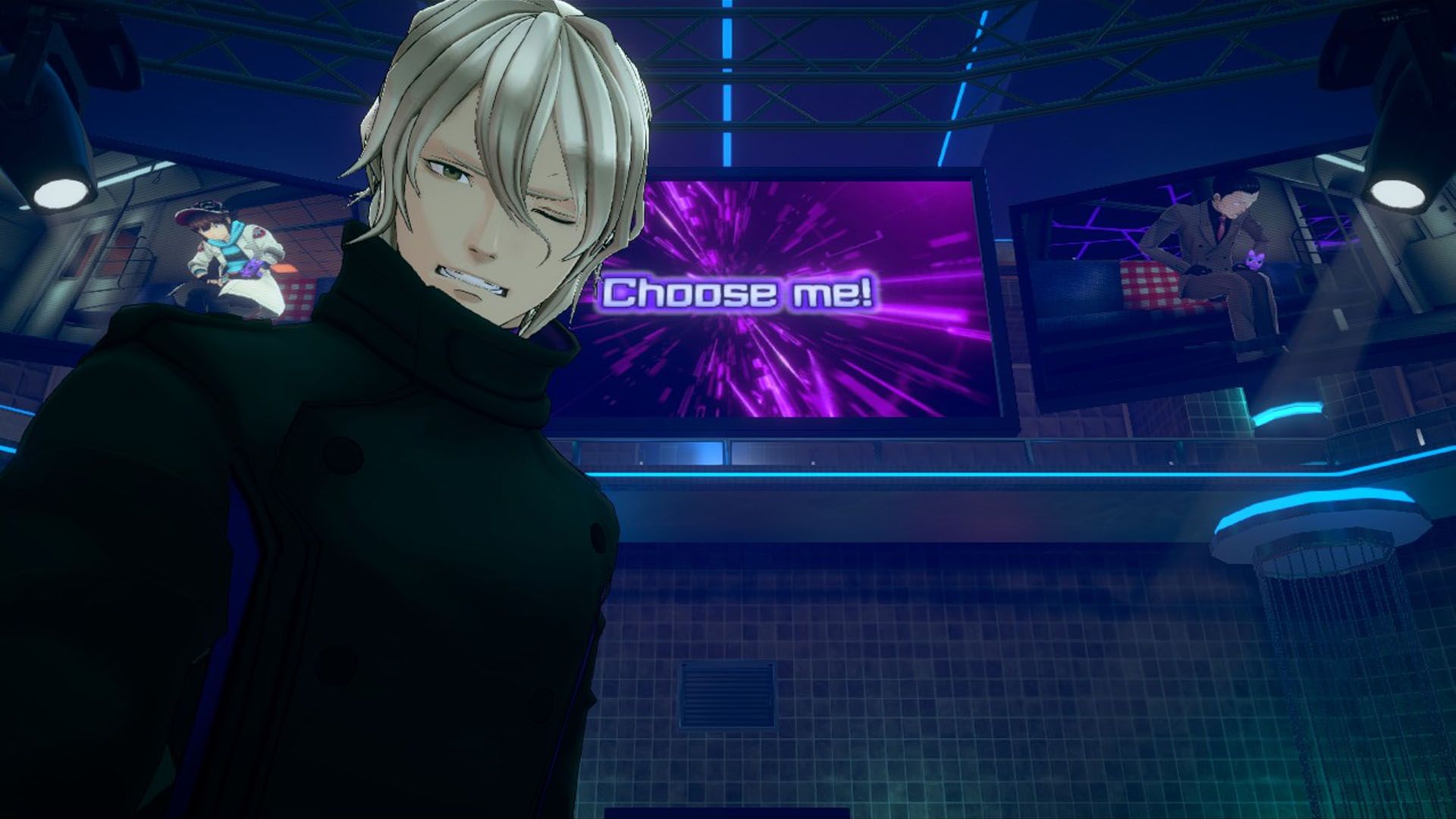
Jeff dives into *No Sleep for Kaname Date*, exploring the shift from the series' signature mind-bending 'Somnium' puzzles to more traditional escape rooms, questioning what this design choice means for the unique psychological depth that hooked fans from the start.
Right, so I’ve been tinkering with a rather intriguing piece of gaming news that's been doing the rounds, and bloody hell, it’s wilder than it first appeared. It’s all about the latest instalment in the *AI: The Somnium Files* series, *No Sleep for Kaname Date*, and a bit of a creative crossroads it seems to have hit. For us curious gamers, it begs the question: are we losing a bit of that unique, mind-bending magic that made the series stand out?
Now, if you've dabbled in the *AI: The Somnium Files* universe, you'll know it's a bit of a mad genius, isn't it? When the first game landed back in 2019, it wasn't just the bonkers narrative or the laugh-out-loud absurdity that hooked me. Nah, mate, it was those 'Somnium' segments. You know the ones – where detective Kaname Date dives headfirst into someone's subconscious with some swanky high-tech gadget. It's like *Inception* had a baby with a very peculiar art installation, all rendered in trippy 3D. You're not just solving puzzles; you're unravelling someone's mental knots, peeling back layers of their very being. Finding that hidden truth tucked away in their mind, connecting dots that only make sense in a dream-like state – that's the good stuff.
See, the brilliance of those Somniums wasn't just in their complexity, but in their sheer, boundless imagination. They had their own internal logic, sure, but it was the logic of a dream. Ever had one of those where something utterly absurd happens – like you try to 'breathe in' a fire to light a torch, and it actually *works* because, well, it's a dream? Yeah, that's a *Somnium Files* move right there. It’s all about understanding that a character’s mind, much like our own unconscious, doesn’t work on literal rules. It’s a tapestry woven from symbols, emotions, and connections only *they* truly understand. Solving a Somnium isn't just about finding a key; it’s about deciphering the deepest parts of someone’s soul, a proper psychoanalytic romp without the couch.
Which brings us to *No Sleep for Kaname Date*. The word on the digital street is that these mesmerising mind-mazes, these deep dives into the human psyche, have taken a bit of a backseat. Instead, the game leans much harder into more traditional escape room puzzles. Now, before you start yelling 'Bloody hell, why?!' at your screen, there are reasons. And good ones, arguably.
For one, we're talking about a series from Kotaro Uchikoshi, the bloke behind the legendary *Zero Escape* visual novel series. And what does *Zero Escape* love? That's right, escape rooms! It's kind of his jam. So, it makes a certain amount of sense that he'd bring some of that familiar flavour into this new Somnium Files outing. Plus, apparently, the shift ties into the main narrative of *No Sleep for Kaname Date* itself, which, being a mystery, we'll keep spoiler-free for now. Fair dinkum, you can't fault a creator for following their own creative north star or tying things into the plot, can you?
But here's the rub, isn't it? Escape rooms, while often clever and challenging, operate under a different set of rules. They’re grounded in the 'real world' – or at least, a world with conventional physics. You need night-vision goggles to see in the dark, you can’t just negate gravity by thinking hard enough (unless you’re a wizard, which most escape room characters aren’t, sadly). There's a tangible limit to their complexity, a reliance on 'logic' as we know it. They're intricate, for sure, but they don't quite offer that poetic, symbolic freedom that a Somnium does, where the only limit is the twisted, beautiful landscape of someone’s trauma and sentiment.
Consider one of the few Somniums still present in *No Sleep for Kaname Date* – set in a subway station. It’s not just a station; it’s a representation. Maybe it’s about the fleeting nature of life, or a character's overly rational view of the world symbolised by numbers on train doors that only open if your own 'number' is higher. See? That's the good stuff! That's the emotional depth, the psychological tapestry that the best Somniums weave.
While I reckon the escape rooms in *No Sleep for Kaname Date* are probably still heaps of fun and challenging in their own right, and the series needs to evolve to stay fresh, I can’t help but feel a pang of something lost. Those Somniums, they weren't just puzzles; they were walks through a character's very essence, a chance to truly understand them at their deepest, most vulnerable level. They were almost like interactive poetry, a language of the unconscious that you, as Date, got to translate. You didn't want to escape from them; you wanted to get lost even further.
So, while *No Sleep for Kaname Date* might be a cracking mystery with clever puzzles, part of me will always yearn for those truly unbound, emotionally charged journeys into the mind. What would a curious gamer actually want to know? Perhaps that this shift, while understandable from a design or narrative perspective, changes the *flavour* of the series. It’s a trade-off: traditional, grounded puzzle fun for the wild, symbolic exploration of the human psyche. And for a series that literally delves into 'Somniums', that's a pretty big decision indeed. Here’s hoping the next iteration finds a way to blend both worlds, eh?
*This article draws insights from a recent Polygon piece on 'No Sleep for Kaname Date' and the emotional depth of Somnium puzzles.*
Tags: Gaming, Puzzle Games, Visual Novel, AITheSomniumFiles, GameDesign
Original article: Polygon