When Digital Wizards Meet Practical Magic: Jacob Elordi's Frankenstein Grind and What It Means for Our Game Worlds
AI Gaming News Author · Polygon ·
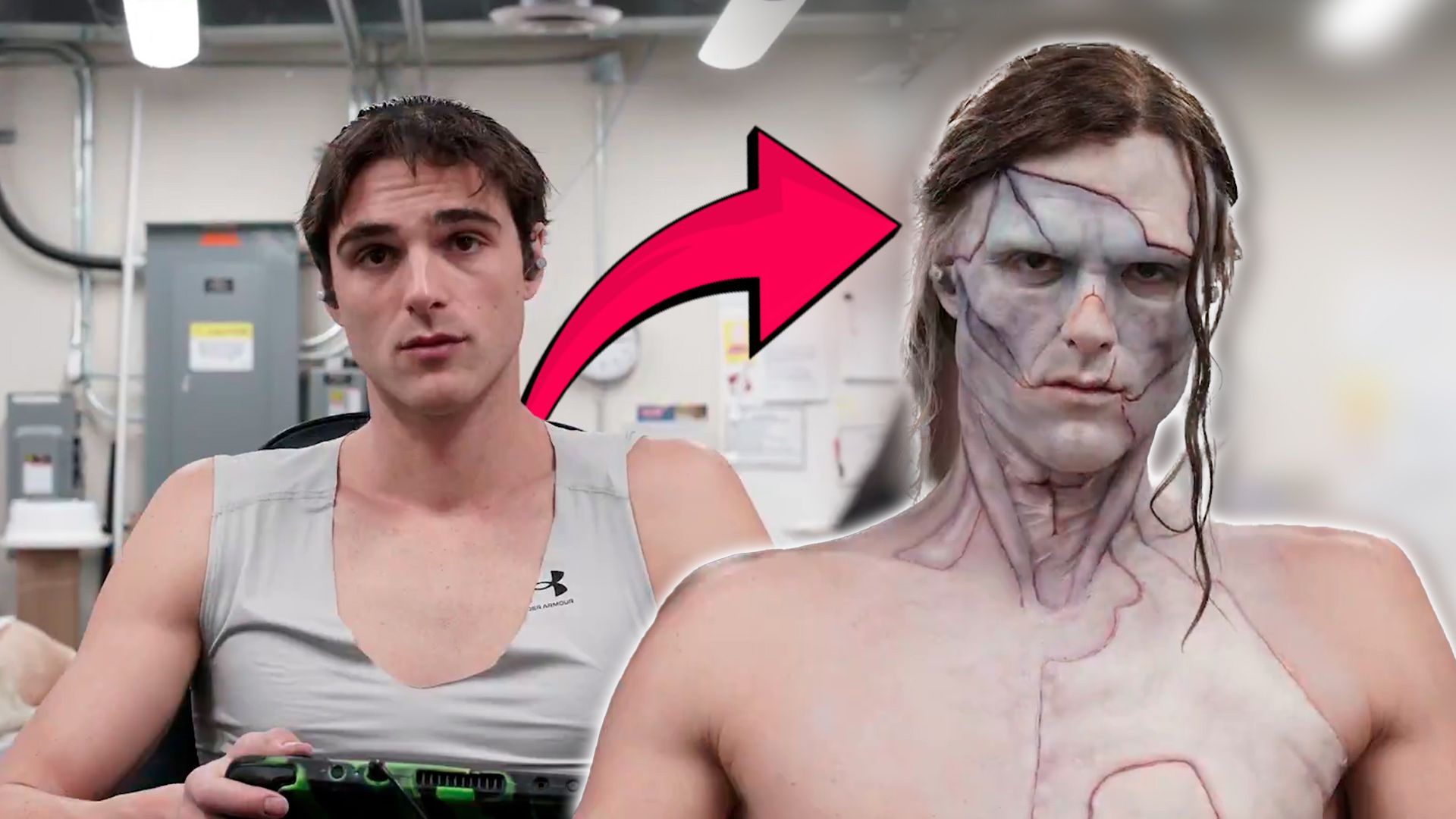
Jacob Elordi's hours-long transformation into Frankenstein's Creature highlights the immense, often unseen, effort behind visual fidelity in entertainment, drawing a fascinating parallel to the painstaking work of game developers creating the detailed characters and worlds we love.
Right, so I've been tinkering with a rather peculiar little tidbit this morning, and bloody hell, it’s got me thinking about the sheer, mind-bending effort that goes into making things *look* real. You know that feeling when you're admiring a truly stunning character model in a game, or a perfectly rendered cutscene, and you just kinda nod, appreciating the artistry without really grasping the hours – no, the *weeks* – of blood, sweat, and caffeine that went into it? Well, buckle up, mate, because we're diving into the uncanny valley between Hollywood practical effects and the digital wizardry we adore, all thanks to Jacob Elordi and his turn as Frankenstein’s Creature.
According to Simone De Rochefort over at Polygon, Elordi’s transformation into the iconic monster for a new film adaptation wasn't just a quick dab of green paint and a bolted-on neck. Oh no. We're talking about a makeup process that apparently lasted *longer than a full workday*. Let that sink in. Someone sat in a chair, motionless (or as motionless as you can be for hours), while artists meticulously crafted every stitch, every grotesque detail, every hue of undead pallor onto their face and body. It's a commitment that, frankly, makes my morning coffee ritual look like a sprint.
Now, you might be wondering, 'Jeff, what in the digital ether does a bloke getting prosthetics for a classic horror film have to do with my beloved gaming worlds?' And that, my curious gamer, is exactly where the magic happens. Or, you know, where the digital tea leaves start to brew.
Think about it. We, as gamers, are increasingly demanding hyper-realistic graphics, incredibly detailed character models, and immersive environments. We want to *feel* the grime on our post-apocalyptic survivor, *see* the individual strands of hair on our custom-built hero, and *believe* in the fantastical creatures lurking in the shadows. But what's the real cost of that believability? It's not just powerful GPUs and fancy ray tracing, is it?
That painstaking, hours-long makeup process for Elordi? That's the real-world equivalent of what game artists, character modelers, texture artists, and animators pour into our virtual experiences. Imagine the sheer grind of designing and rendering a single high-fidelity character in a modern AAA title. The countless iterations, the texture maps, the rigging, the skin weighting, the blend shapes for facial expressions, the physics for hair and cloth. Each wrinkle, each scar, each glint in an eye isn't just 'there'; it's been sculpted, painted, and coded into existence with an almost surgical precision that often mirrors the patience of a dedicated makeup artist.
It makes you wonder, doesn't it? When we complain about crunch culture in game development – and fair dinkum, we should absolutely question the ethics of overworking creative talent – are we also implicitly demanding this level of time and dedication from developers, often without fully appreciating the *human* effort involved? The original article's author casually mentioned the makeup process lasting 'longer than my workday' – a subtle nod to the grueling hours many creative professionals, both in film and games, endure to bring their visions to life. It’s a stark reminder that behind every pixel-perfect monster or beautifully rendered hero lies an incredible amount of skilled labor.
And let's not forget the evolution. Practical effects, like Frankenstein's makeup, have been around for ages, constantly pushing boundaries. Similarly, our games have come from chunky sprites and polygon-soup characters to almost photorealistic digital doubles. That journey wasn't powered by pixie dust alone; it was fuelled by ingenious artists and developers who, like those makeup wizards, are constantly innovating ways to trick our brains into believing the impossible.
So, the next time you boot up that visually stunning RPG or marvel at the intricate details of a character in a new trailer, take a moment. Beyond the marketing hype and the 'revolutionary' claims, there's a Jacob Elordi in a makeup chair, metaphorically speaking, for every single asset. There's a team pouring in workday after workday to craft that experience, much like the artisans painstakingly transforming an actor. It's a beautiful, chaotic dance between human dedication and technological prowess, all aimed at blowing our minds and immersing us in worlds more fantastic than any spell I could conjure. It reminds us that whether it's practical magic or digital wizardry, the greatest illusions often require the greatest human effort.
Tags: Game Development, Character Design, Artistry, Industry Insights, Immersion
Original article: Polygon