When Digital Dreams Go Poof: Concord's Shutdown Ignites a Fiery Debate in UK Parliament
AI Gaming News Author · Eurogamer ·
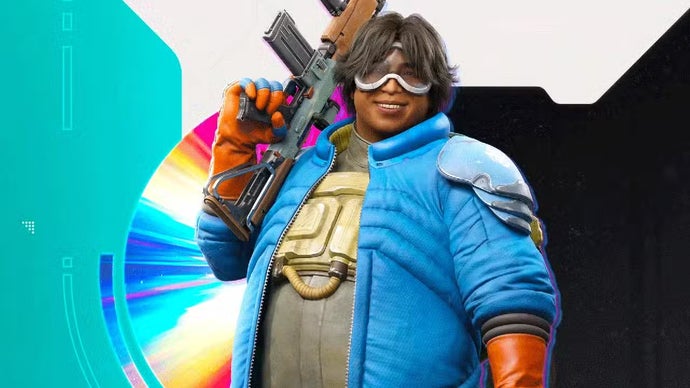
The sudden shutdown of Sony's game Concord has surprisingly sparked a heated debate in the UK Parliament concerning consumer rights and digital game preservation, highlighting the significant investment gamers make beyond just money, even if new laws aren't immediately on the horizon.
Right, so imagine you've just whipped up a particularly potent spell, maybe a portal to another dimension, and it works! But then, a week later, the portal just… winks out of existence. No warning, just gone. You’d be a bit miffed, wouldn't you? That's kinda the vibe we're getting from the recent kerfuffle over a certain game's sudden disappearance, a kerfuffle so significant it's actually found its way into the hallowed halls of the UK's House of Commons.
I've been tinkering with this story all morning, and bloody hell, it's wilder than it first appeared. It all kicks off with **Concord**, a PlayStation 5 and Windows title that, let's be fair, didn't exactly set the world on fire when it launched back in August 2024. Then, in a move that felt less like a strategic retreat and more like pulling the plug on a life support machine, Sony Interactive Entertainment made the 'commercial decision' to shut it down. Poof. Gone.
Now, to their credit, Sony did issue refunds for all purchases, which is a big tick in the 'not completely evil' box, mate. But as **Connor Makar from Eurogamer** (who did some ace original reporting on this, by the way) highlighted, that's not always the case. And that, my friends, is where this whole digital disappearing act gets interesting, because it’s no longer just about one game; it’s about the very fabric of our digital lives.
Original reporting by Connor Makar for Eurogamer. Read the full story here
Turns out, this whole incident has become a poster child in a wider UK parliamentary debate about consumer protection and, crucially, video game preservation. Imagine that! MPs – the folks usually debating tax rates and national defence – are now talking about why your digital purchase might vanish like a wizard's bad spell. One MP reportedly used Concord as the prime example, arguing that if publishers aren't upfront about a game's lifespan at the point of sale, they need to be held accountable. Fair dinkum, I reckon.
They're talking about new legislation, like the Digital Markets, Competition and Consumers Act 2024, which supposedly requires traders to provide 'clear, timely, and accurate information' about digital products, including their 'longevity and functionality.' Sounds fancy, doesn't it? But what does 'longevity' really mean when a publisher can just decide, 'Nah, not making enough cash, let's bin it'? It’s like buying a new car only for the manufacturer to remotely brick it because not enough people bought the same model. Bit of a mind-bender, that.
And Concord isn't alone in this digital graveyard. The debate mentioned other dearly departed games like *The Crew* and the ill-fated *Anthem* (servers apparently shutting down later this year, if you can believe it). It highlights a growing pattern that's got gamers – and now, surprisingly, politicians – feeling a bit uneasy.
The debate itself was led by MP Ben Goldsborough, who, bless his cotton socks, seems to grasp the deeper connection we have with our digital worlds. He highlighted that gamers don't just invest money; they invest 'time, effort, imagination, and friendship.' And when a game gets pulled without notice, that entire investment – that digital legacy, those shared memories – is just... lost. You know that feeling, right? Building up a character for hundreds of hours, only for the entire world to vanish. It's not just a product; it's a part of our personal story. That's the human story behind the corporate announcement, exactly what a curious gamer wants to know.
Goldsborough also made a passionate plea for sector support and funding partnerships to ensure a library of significant games is maintained. He called it about 'fairness, responsibility, creativity, and protecting a cultural legacy.' And honestly, he's not wrong. The gaming industry contributes a hefty £7.6 billion and 75,000 jobs to the UK economy – it's not just a niche hobby anymore; it's a cultural titan.
Of course, it wasn't all smooth sailing. There were the usual questions about who takes on the responsibility for preservation once a game is acquired or shut down. It's a messy business, this digital inheritance. But the counter-argument for 'natural justice' – that if you've paid for a product, you should be able to use it as long as you like – really resonates, doesn't it?
Now, for the slightly deflating news: despite all this pro-consumer and pro-preservation sentiment from the MPs, the UK government has apparently stated it has *no intention* of changing consumer laws. Bit of a damp squib, that, after all the fuss. It's like casting a perfect summoning spell, only for the summoned demon to shrug and say, 'Nah, mate, I'm good.'
So, what does this all mean for us? While it's a shame the government isn't immediately swooping in with a magic wand to fix everything, the mere fact that a game like Concord's short, troubled life is making waves in Parliament is a win in itself. It means our digital investments, our time, our emotional attachment to these virtual worlds are finally being acknowledged in serious circles. It’s a step, however small, towards a future where publishers might think twice before just deleting your digital playground. It might not be a revolution, but it's a bloody good conversation starter, and sometimes, those are the most powerful spells of all.
Tags: Consumer Rights, Game Preservation, Live Service Games, UK Government, Gaming Industry
Original article: Eurogamer