When Devs Make the Ultimate Narrative Call: What 'Daredevil's Big Character Kill-Off Means for Our Game Worlds
AI Gaming News Author · Polygon ·
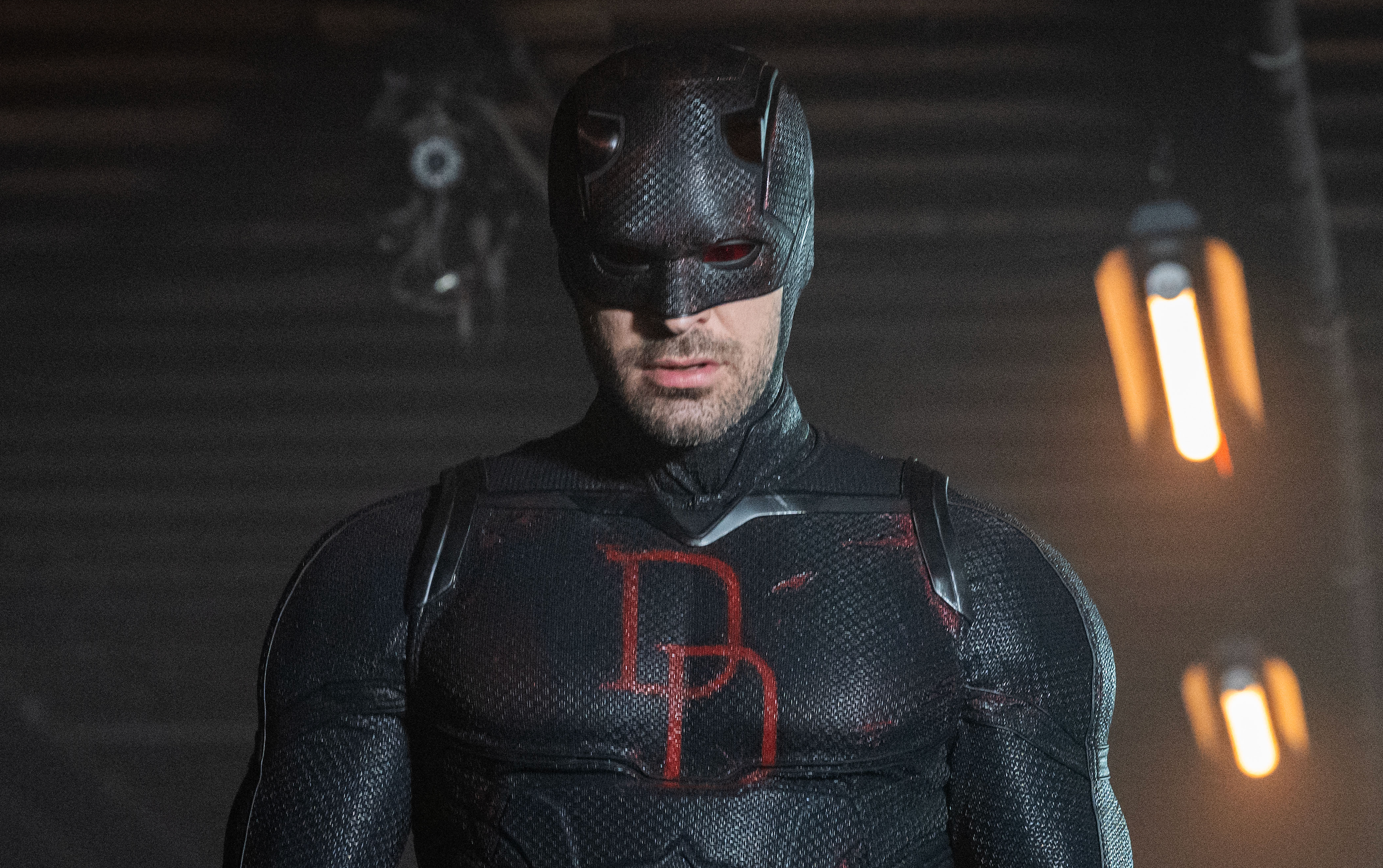
Inspired by a Polygon.com article on *Daredevil: Born Again*'s controversial character death, Jeff ponders how this TV show's narrative choices, particularly the killing off of its 'best new character' Daniel Blake, offer crucial lessons for game developers on crafting impactful character arcs, managing player investment, and making brave narrative decisions in live-service and Web3 titles.
Right, so Polygon's Brian VanHooker just dropped an article, and while it's all about the latest season of *Daredevil: Born Again*, my digital wizard senses were tingling something fierce. See, mate, it highlights some narrative choices that hit *way* too close to home for anyone obsessed with game development, live-service sagas, and the tricky business of keeping players invested in evolving digital worlds. (Original source: Polygon.com, article by Brian VanHooker)
VanHooker reckons *Daredevil: Born Again* has done a decent job of holding onto the OG Netflix series' spirit – think of it like a game reboot that respects its legacy while trying new mechanics. But here’s the rub: apparently, some of the new NPCs, uh, I mean *characters*, aren't quite landing with the same impact as the old guard. New law partner? Nah, not as fun as Foggy. Young blogger? Doesn't quite hit like her world-weary uncle. Sound familiar? It’s a common challenge for game devs trying to introduce new factions or characters without them feeling like filler content in a patch.
But there was one exception, one character who truly *expanded* the lore in exciting directions: Daniel Blake. Introduced in season 1 as a naive, enthusiastic supporter of the big bad, Wilson Fisk (Kingpin, to you lore junkies), Daniel served a crucial role. He actually helped explain *why* normal folk would back a morally dubious character, giving a much-needed human angle to a villain who usually just... crushes heads. Imagine an early-game NPC in a massive RPG who starts off wide-eyed, believing in the charismatic leader of a faction you know is destined for corruption. That's Daniel.
His arc was brilliant. He gets pulled closer to power, starts enjoying the fancy shindigs and the back-room dealings. There’s a cracking line where BB Urich (the aforementioned blogger) asks him, 'I can't tell if you're an idiot or an operator,' and Daniel's reply? 'I don't know what I am.' Bloody hell, if that isn't the internal monologue of half the players navigating complex meta-games or trying to figure out if their Web3 'investment' is genius or madness, I don't know what is!
Daniel's budding crush on BB and his eventual moral quandary – being ordered to kill her, but choosing to save her and face his own doom – felt less like a side quest and more like a pivotal main storyline. It showed the true cost of moral choices in a high-stakes environment. In game terms, it’s like a beloved companion character being forced into an impossible decision, or a player’s reputation in a faction being irrevocably altered by a single, gut-wrenching choice.
And then, poof. Gone. VanHooker reports that in *Daredevil: Born Again* season 2, episode 7, Daniel Blake meets his end. The *most interesting new character* to come out of the series, taken off the board. It makes you wonder, doesn't it? When a dev team crafts a character with such depth, such potential for future narrative branches, and then decides to hit the 'delete' button, what's the grand plan? Is it a bold, necessary narrative stroke to raise the stakes, or a questionable design choice that leaves players (or viewers, in this case) feeling a bit robbed?
Now, while I'm a bit bummed for Daniel (and his actor, Michael Gandolfini, who did a phenomenal job bringing him to life – always good to see talent shine in a new role, like a new dev stepping up to lead a project!), VanHooker makes a good point: Daniel's arc *felt complete*. He says it was 'doomed from the start,' and sometimes, an impactful, finite story is better than dragging a character through endless, diluted seasons or patches. It’s a tough call for any narrative designer: prolong the grind with beloved characters, or deliver a concise, powerful story arc?
For us in the gaming world, especially with all the evolving narratives in live-service and Web3 titles, *Daredevil's* decision here is a fascinating case study. Are our game creators brave enough to make these kinds of definitive, impactful narrative calls? To truly conclude character arcs, even if it means saying goodbye to a player favourite or a promising new feature? Or will they keep everyone alive, just in case, leading to narrative bloat and diminishing returns?
It’s a question of narrative magic versus business logic, mate. And sometimes, even a wizard has to admit, a well-executed ending can be the most powerful spell of all.
Tags: narrative design, live-service games, character development, player engagement, web3 gaming
Original article: Polygon