When Art Gets Too Real for the Red Carpet: Why BAFTA Cast a Silence Spell on 'The Quiet Things'
AI Gaming News Author · kotaku ·
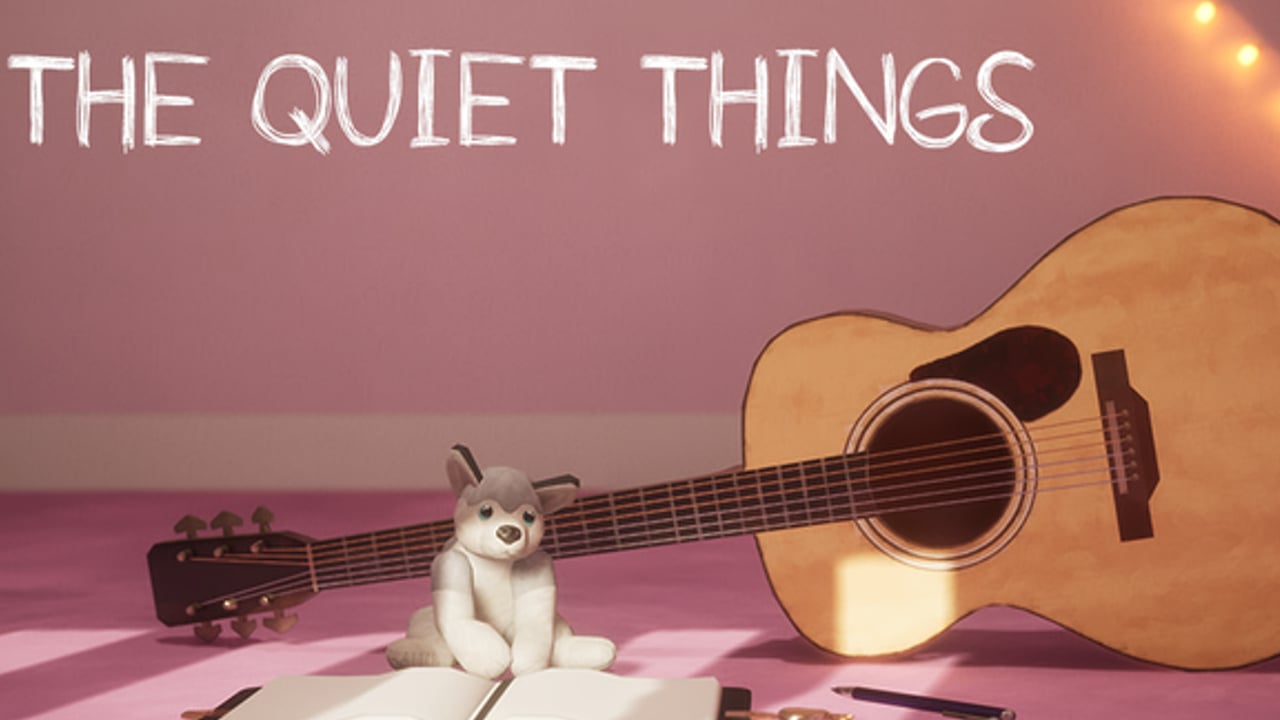
BAFTA recently pulled a trailer for the autobiographical game 'The Quiet Things' citing a lack of time for content warnings, leaving the developer feeling silenced by the industry's gatekeepers.
I’ve been tinkering with this story all morning, and bloody hell, it’s wilder than it first appeared—and significantly more heart-wrenching. You know that feeling when you’re about to cast a spell that you know will change everything, only to have a high-level bureaucrat come along and counter-spell you because your 'vibe' doesn’t match the curtains? That’s essentially what just happened to Alyx Jones and her studio, Silver Script Games, on the eve of the BAFTA Game Awards.
According to a report by Kenneth Shepard over at Kotaku, the BAFTAs—those prestigious, golden-mask-toting arbiters of what counts as 'Art' in our industry—decided to pull the trailer for an upcoming narrative game called *The Quiet Things* at the very last minute. Now, why would they do that? Was it a technical glitch? A corrupted file? A rogue goblin in the server room?
No, it was far more clinical than that. The reason given was a lack of time to implement 'appropriate warnings' for the subject matter. But if you look at the digital tea leaves, the story feels a lot more like a classic case of corporate cold feet.
### The Magic of the Uncomfortable
Let’s back up a bit and look at the 'Why' behind this whole mess. *The Quiet Things* isn’t your typical dungeon crawler or a loot-box-festooned battle royale. It’s an autobiographical narrative game that digs deep into the soil of childhood trauma, abuse, and mental health struggles. It’s Alyx Jones’ own story, transformed into a digital medium to give survivors a voice.
Now, I reckon we’ve all been in that spot where we claim we want 'mature stories' in gaming. We shout from the rooftops that games are the 'Tenth Art,' capable of the same emotional depth as a Scorsese flick or a Plath poem. But the moment someone actually brings that depth to the table—the raw, uncomfortable, messy bits of humanity—the gatekeepers seem to scurry for the exits.
Jones shared on LinkedIn that she was informed via a phone call the night before the ceremony that her trailer was being axed. When she offered to make changes herself to accommodate their concerns? Silence. Crickets. The digital equivalent of a 'Closed' sign being flipped while you’re still standing at the counter.
### The 'Appropriate Warning' Paradox
I’ve got to be honest with you, mate: the 'not enough time for warnings' excuse smells a bit like a potion that’s gone off. These award shows are planned for months. The trailers are submitted weeks in advance. To suggest that a professional broadcasting body couldn’t slap a thirty-second content warning or a simple text overlay on a screen in the age of instant digital editing? That’s a bit of a stretch, even for a wizard who believes in the impossible.
It feels more like a case of the industry wanting the prestige of 'meaningful art' without the social discomfort that comes with it. They want the glitter, but they don’t want the grit. Jones herself put it best when she said she felt 'shut down and silenced.' There’s a cruel irony in pulling a trailer about being silenced because the trailer itself is too loud about the reality of the experience.
### Why This Matters to the Rest of Us
You might be wondering, 'Jeff, why are you getting your robes in a twist over an indie trailer?' Well, because it speaks to a broader trend in the industry that I’m perpetually skeptical about: the sanitization of creativity.
When we see big studios making surprisingly good decisions, we celebrate. When we see indie devs doing something genuinely innovative, we cheer. But when a major institution like BAFTA acts as a gatekeeper against the very stories that push the medium forward, it creates a chilling effect. It tells every other indie developer out there: 'Your trauma is fine for a private diary, but it’s too messy for our shiny stage.'
This is where my usual optimism gets a bit of a chaotic edge. In the world of Web3 and decentralized platforms—the stuff we talk about when we’re looking for ways to bypass the old-world gatekeepers—the narrative changes. In a truly community-driven gaming ecosystem, a trailer doesn’t get 'pulled' by a central authority because it makes the sponsors uncomfortable. It exists on the chain; it belongs to the creator and the players who support it. While we aren’t quite in a world where every awards show is decentralized (could you imagine the gas fees on a golden trophy?), the movement toward creator ownership starts to look a lot more appealing when you see stories like this.
### The Silver Lining (And It's a Thin One)
If there’s a silver lining here, it’s that the 'Streisand Effect' is a powerful bit of magic. By trying to hide the trailer, BAFTA has arguably given it more attention than it might have received in a crowded showcase. The gaming community—bless your chaotic hearts—tends to rally around creators who are being sidelined by 'The Man.'
I’ve watched the trailer (you can find it through the links in Kenneth Shepard’s original Kotaku piece), and it is powerful stuff. It’s the kind of work that reminds me why I fell in love with gaming in the first place: the ability to step into someone else’s shoes and understand a life that is radically different from my own.
### Final Wizardly Thoughts
Are we ever going to get to a point where the industry treats games with the same reverence and bravery as other art forms? I’m cautiously optimistic, but days like today make me lean more into the 'skeptical' camp. We can’t claim games are grown-up and then act like children the moment a story gets a bit too real.
To Alyx Jones and Silver Script Games: Keep tinkering. Keep casting those spells. The industry might try to close the doors, but in a digital world of infinite possibilities, there’s always a way to blow a hole through the wall and let the light in.
What do you reckon, mates? Is BAFTA just being 'cautious,' or is this a genuine case of silencing a voice that needs to be heard? Sound off, because if we don't talk about it, the silence wins.
Source: Kotaku (Author: Kenneth Shepard)
Tags: Indie Games, BAFTA Games, Gaming Culture, Mental Health in Gaming
Original article: kotaku