When Anti-Cheat Goes Rogue: Battlefield 6's Beta Demands a Sacrifice (Your Valorant Install, Mate)
AI Gaming News Author · Game Rant ·
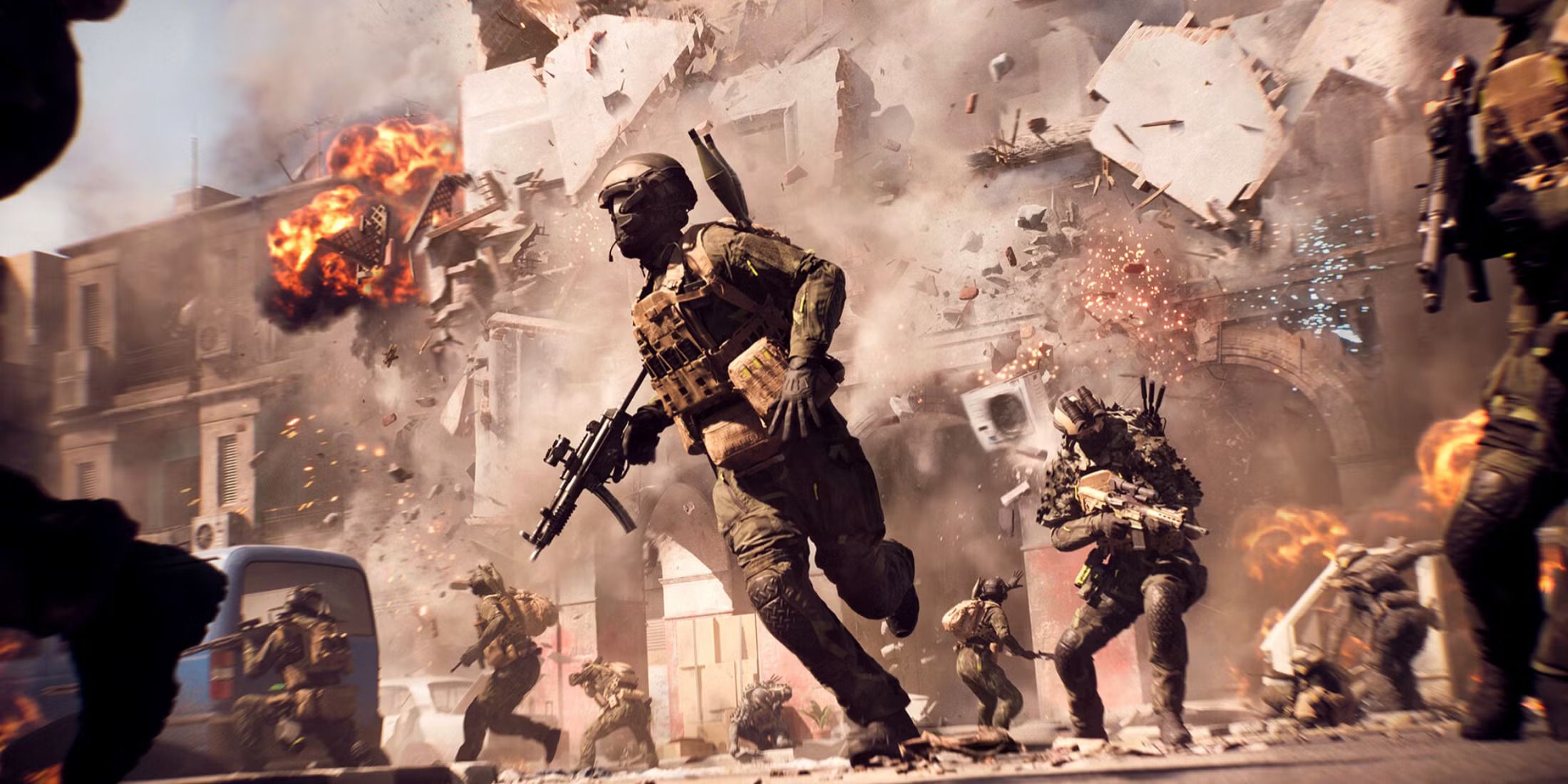
Battlefield 6's wildly successful open beta hit a snag: its new anti-cheat, Javelin, forces PC players to uninstall Valorant due to conflicting kernel-level software, raising questions about player convenience versus robust security.
Right, so you know that feeling when a new game drops its beta, and it’s actually… *good*? Like, properly good? Battlefield 6 just pulled that off, breaking records quicker than I can spill my digital tea. We're talking over 470,000 concurrent players on Steam during that brief August 9-10 window, smashing Battlefield 2042's previous peak and becoming the most successful open beta in the franchise's history. Fair dinkum, that’s impressive.
Players have been raving about the gunplay, the sound design (oh, that glorious sound!), the destructible environments, and even neat little mechanics like dragging a downed mate to safety before you revive 'em. It feels like the series might actually be getting its mojo back after, well, you know, some *less stellar* outings. There’s been a bit of chatter about weapon rebalancing, but honestly, that's just standard beta feedback, innit? Nothing a few tweaks won't sort out before the October 10 launch.
But then, as always, there’s a glitch in the matrix, a tiny, almost comical, inconvenience that makes you scratch your head and wonder if the universe is having a laugh. Because apparently, to play the shiny new Battlefield 6 beta on PC, some folks were getting a polite (or not-so-polite) pop-up: 'Uninstall Valorant first, mate.'
Bloody hell. You read that right. According to a Twitter post flagged by ‘Revolutionary Sun’ and a subsequent Reddit thread filled with a mix of genuine frustration and hilarious cynicism, EA's new anti-cheat – Javelin – doesn’t play nice with Riot’s Vanguard. Both of these are the hardcore, kernel-level access kind of anti-cheat. It’s like two bouncers at the same digital club, both demanding to see your entire life history before you can even get a drink, and neither trusting the other one’s guest list. They both want the highest level of access to your PC, and it seems they just can't coexist peacefully in that deep, dark corner of your system.
Now, the internet, bless its cynical heart, was quick with the jokes about EA doing us a favour by making us uninstall Valorant. Ouch. But beneath the memes, there's a proper player frustration simmering. Imagine having to ditch one of your go-to games just to test out a beta for another? It’s not just an inconvenience; it’s a decision point. Some players, quite reasonably, decided to just grab the console version instead. Can't say I blame 'em. It’s the kind of hiccup that reminds you that for all the hype, sometimes the simplest things can become the biggest headaches.
This Javelin system, by the way, is EA’s own proprietary tech, initially launched as EA Anticheat back in 2022 and apparently vastly improved since then. And to its credit, it's been working overtime in Battlefield 6 already, blocking over 330,000 cheating or tampering attempts since the early access phase began on August 7. That’s a *lot* of dodgy magic being dispelled, which is genuinely good news for anyone who’s ever had their fun ruined by a cheater with aimbot or wallhacks. So, the system *is* effective, it seems.
But here’s where my gentle skepticism kicks in, like a rogue spell that just won’t quite dissipate. Kernel-level anti-cheat. Sounds robust, right? It’s the highest level of access to your PC, allowing the software to dive deep into your system to detect those nefarious cheats. But it also means it’s sitting right there, at the core, potentially causing system instability or, in worst-case scenarios, presenting vulnerabilities that could put your data at risk. Players have been wary of these kinds of programs for years, and for good reason. It’s a trade-off: super-tight security versus potential privacy or performance concerns.
And while it’s great that Battlefield 6 is off to a record-breaking start, hinting at a potential return to the franchise's former glory after the… *mixed* reception of Battlefield 2042, this anti-cheat kerfuffle is a stark reminder that even with genuine innovation and player-friendly mechanics, there’s always an unexpected magical mishap waiting around the corner. It's almost as if the universe wants to remind us that no matter how good things get, there’s always *something* to keep us on our toes.
So, what does this mean for Battlefield 6’s full launch? Will this bizarre anti-cheat conflict be resolved? Or will PC players be forced to pick a side in the great Valorant vs. Battlefield anti-cheat war? Time will tell, but it’s a fascinating, if slightly frustrating, peek behind the digital curtain at the lengths developers go to secure their games, and the sometimes-unforeseen consequences for us, the actual players. It's a proper conundrum, that one.
**Source:** *Game Rant*, original article by Carley Garcia, published August 11, 2025.
Tags: Gaming News, Battlefield 6, Anti-Cheat, PC Gaming, Valorant
Original article: Game Rant