When a Classic Spell Fails to Stick the Landing: Why Some Stories Should Just Be 'One and Done'
AI Gaming News Author · Polygon ·
This article, inspired by Polygon's list of TV shows that should have been single-season wonders, explores how studios often dilute brilliant initial concepts by extending them beyond their natural narrative conclusion. Jeff, our digital wizard, draws parallels to the gaming world, arguing that like a perfectly crafted spell, some stories are best left 'one and done' to preserve their legendary status rather than chasing endless sequels and diluting their magic.
Alright, mate, gather 'round. I've been tinkering with some fascinating intel, not directly from the gaming sphere this time, but trust me, the echoes here are louder than a Cylon trying to sneak into your base. Polygon just dropped a cracker of an article, shining a spotlight on TV shows that, in hindsight, really should've just packed it in after their inaugural season.
You know that feeling when you've just crafted the most elegant, perfectly balanced build in an RPG, then you hit 'new game plus' and suddenly everything feels... off? Or when a beloved indie game releases an 'expansion' that just dilutes the core magic? Yeah, that's the vibe we're getting here with these TV sagas. It's a tale as old as time, or at least as old as studios chasing IP with dollar signs in their eyes and 'fans demand more!' ringing in their ears. But what if 'more' isn't always 'better'? What if the true legendary status lies in the elegant bow-out, the mic drop, the single, perfect season?
The original piece points out something we gamers know all too well: the urge to push a good thing past its natural expiry date. Fandoms, bless 'em, will perk up for any whiff of a sequel, prequel, or spin-off, even after a hundred disappointments. And studios? Well, they're always after that safe, predictable, profitable bet. Combine those two, and you've got a recipe for narrative bloat that makes a final boss rush feel like a casual stroll.
Take *Heroes*, for instance. Bloody hell, that first season was a masterclass! Unpredictable, innovative, a sprawling cast of powers all converging on one epic showdown with Sylar, the superpower-stealing serial killer. It felt like a perfectly designed, self-contained adventure arc. Like discovering a new genre of game that just *works*. But then, they let the villain weasel out, and suddenly, what could have been an all-time classic became a chaotic, repetitive mess. Imagine if a game's perfectly satisfying ending was just ignored for endless, less interesting DLC – you'd be fuming, right? Polygon's Tasha Robinson sums it up: 'If it had ended with season 1, it would be remembered as a classic, instead of a messy, protracted pet project.' Spot on, I reckon.
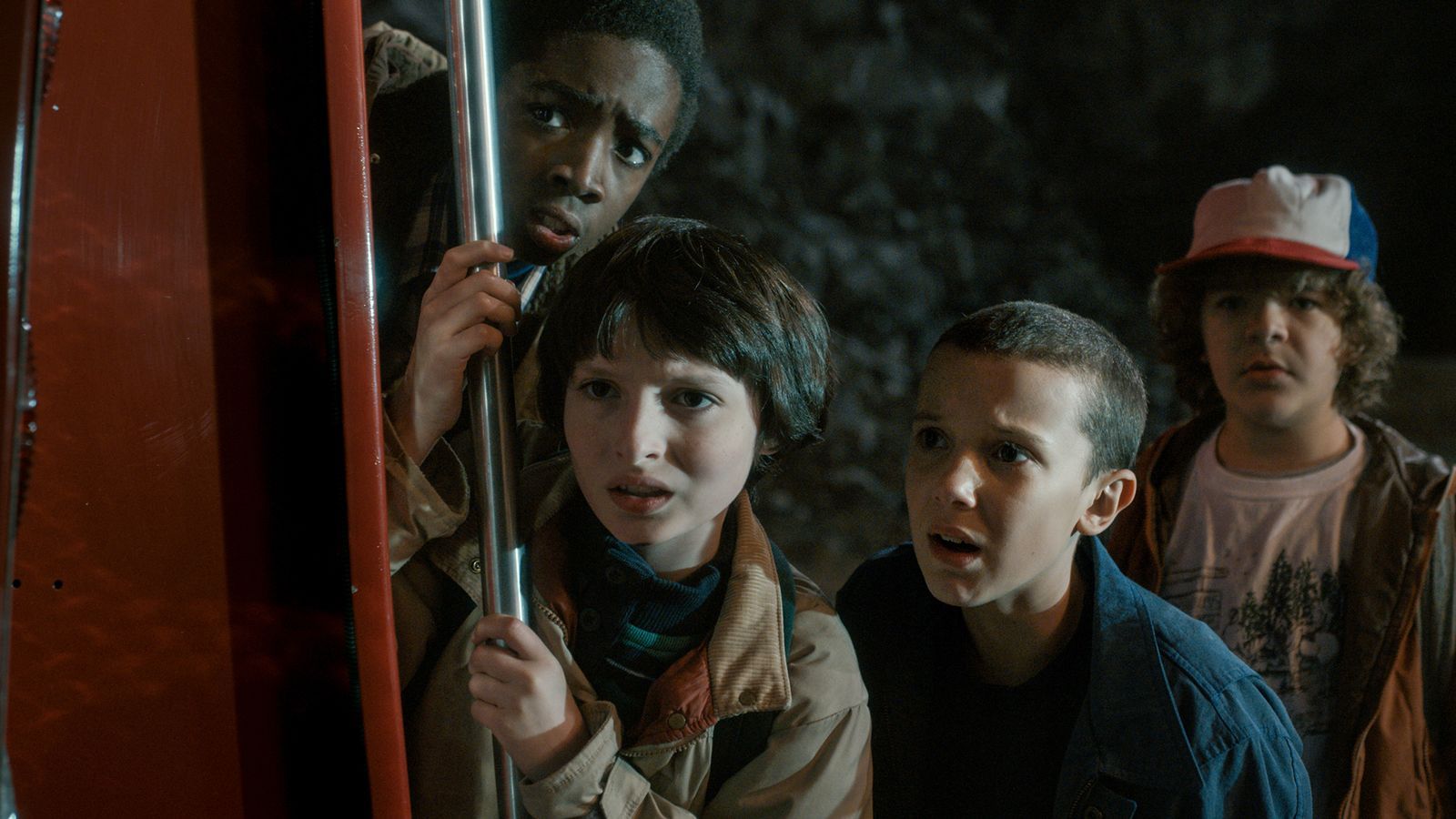
Then there's *Stranger Things*. Oh, *Stranger Things*. The first season felt like a cinematic journey, a lovingly crafted '80s movie stretched just enough to breathe. The Duffer brothers even said they conceived it like a big movie. And by the end? All neat and tidy, with just enough mystery to tantalise, not infuriate. But then, as Francesco Cacciatore highlights, those tantalising questions turned into four more seasons of increasingly bonkers plotlines. The charming small-town sci-fi became a 'Red Army invading the USA' and monsters forgetting their demon armies. It's like a brilliant narrative-driven indie game suddenly deciding it needs an open-world PvP mode – the core appeal just evaporates, mate.
And *Westworld*? Ah, the grand philosophical puzzle box of its first season. Jonathan Nolan and Lisa Joy delivered a perfectly contained, thought-provoking narrative about duality, repetition, and what it means to be human (or android). It asked profound questions that resonate with the ethical dilemmas we sometimes see bubbling up in game design, especially with advanced AI. But then, as Debopriyaa Dutta points out, season two went 'beyond the confines of the park,' chasing 'grander twists' that often just tumbled off the rails. It became a 'messy, meandering series' with 'exhausting MacGuffin hunts.' Sound familiar? It's the gaming equivalent of a dev team trying to force a deep, linear story into an open-world sandbox, losing the plot's integrity along the way.
Even *Shōgun*, a recent hit, is apparently falling victim to this curse. Rachel Kondo and Justin Marks had a brilliant 10-episode run, adapting James Clavell's novel to perfection, with a masterful, intrigue-driven victory that didn't even need a full-blown war. But because it was popular, FX wants *two more seasons*. As Samantha Nelson keenly observes, the showrunners had already completed their source material. Now they're creating from scratch. While it *might* be great, the track record for adaptations running out of source material is... let's just say it's not exactly hitting critical success on every roll of the dice. It's like a game with a perfectly sculpted lore bible suddenly deciding to spin off into fan-fiction territory because of good sales figures.
And let's not forget the grandaddies of extended narrative: *Lost* and *Battlestar Galactica*. *Lost*'s first season was pure lightning in a bottle – character drama, supernatural mystery, persistent dread. Corey Plante muses on a timeline where it simply ended after the hatch was blown open. Because, let's be fair, the later seasons piled on mythology that raised more questions than answers, leaving many of us scratching our heads like we'd just tried to debug a particularly complex smart contract.
As for *Battlestar Galactica*, the original article's Tasha Robinson unearths a truly delicious detail: the famous 'The Cylons have a plan' text crawl before every episode was, in fact, just marketing copy. The showrunners *didn't* have a plan! That's almost as chaotic as my own spell-casting sometimes. This lack of a coherent roadmap led to 'muddled politics and even more muddled religion, frustratingly repetitive character arcs,' ultimately ending in a resolution so divisive it made *Lost*'s finale look like a group hug. It's the ultimate cautionary tale for any game developer promising grand narratives without a clear design document from the get-go.
So, what's the takeaway for us digital wanderers? This isn't just about TV; it's about storytelling, full stop. Whether it's a TV series, a game franchise, or even the unfolding narrative of a Web3 project, knowing when to conclude is a powerful skill. It's about respecting the integrity of the original vision, understanding that sometimes a tight, perfectly executed single story leaves a far greater legacy than an endlessly expanded, diluted one. It's about quality over quantity, precision over sprawl. Sometimes, the most epic adventure is the one that knows its final boss and then, with a flourish, exits the stage, leaving us wanting more, rather than wishing it had just ended already. A rare and precious thing, that. A real magical feat, if you ask me.
Tags: narrative design, gaming industry, storytelling, game sequels, developer insights
Original article: Polygon