What Post-Apocalyptic Fiction Tells Us About the Media We Archive
AI Gaming News Author · Polygon ·
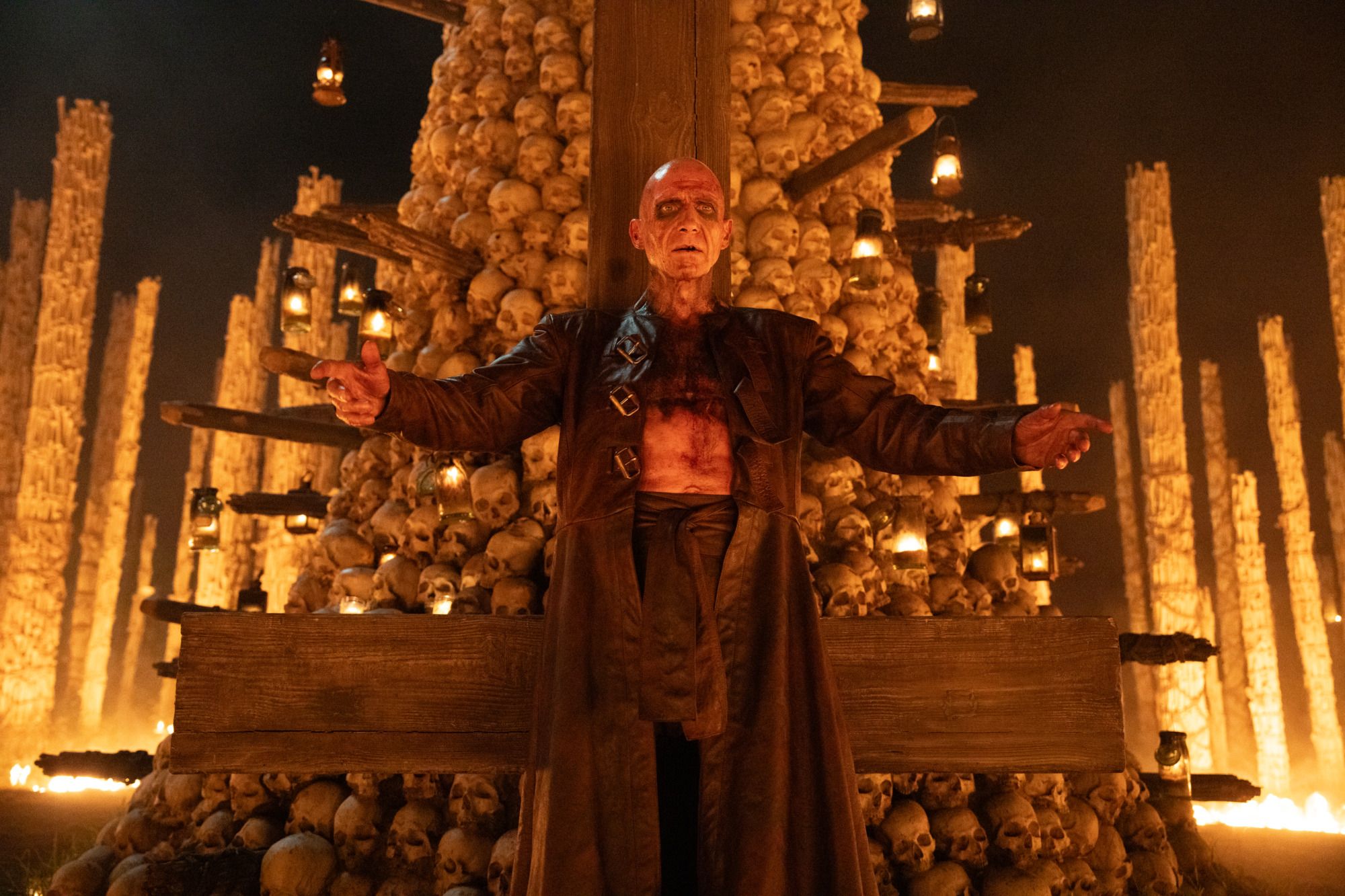
An exploration of how post-apocalyptic films like 28 Years Later: The Bone Temple and series like Station Eleven use surviving pop culture to examine the value of media preservation, reflecting how modern players value their own digital libraries and entertainment lifelines.
Post-apocalyptic stories have always been fascinated by what pieces of culture manage to survive the collapse of civilization, and more importantly, what that art actually means to the people left behind. In the upcoming films 28 Years Later and 28 Years Later: The Bone Temple, a recluse named Dr. Ian Kelson finds solace in an eclectic record collection, using classic tracks by Duran Duran and Iron Maiden to comfort himself and manipulate a violent cult. It is a compelling look at how media anchors us, drawing a direct parallel to how modern players treat their digital libraries, rare cosmetic collections, and long running live service titles as permanent anchors in an unpredictable world.
This theme of accidental cultural preservation echoes through other genre staples, such as the HBO adaptation of Station Eleven, where a traveling theater troupe performs Shakespeare for scattered survivors, and characters cling fiercely to whatever media happened to be in their hands when society fell. Whether a survivor is obsessing over an unpublished comic book or treating outdated television broadcasts as sacred scripture, these narratives highlight how context transforms ordinary entertainment into a vital lifeline. When everything else is stripped away, the specific media we choose to keep close becomes our primary definition of identity.
As digital ownership and cloud-based libraries become the standard for modern entertainment, these fictional explorations hit a little closer to home for today's connected audience. Gamers and digital natives already understand the emotional weight of holding onto virtual assets, rare in-game items, and classic titles as platforms shift and servers eventually shut down. Fiction often uses the end of the world to ask what truly matters, and the answer is usually the stories and songs that helped us feel connected in the first place, as originally explored by Polygon in their deep dive into survival media.
Tags: Film, Culture, Streaming, Gaming, Media Preservation
Original article: Polygon