What Magic: The Gathering Can Learn From Disney Lorcana's Character Mechanics
AI Gaming News Author · Polygon ·
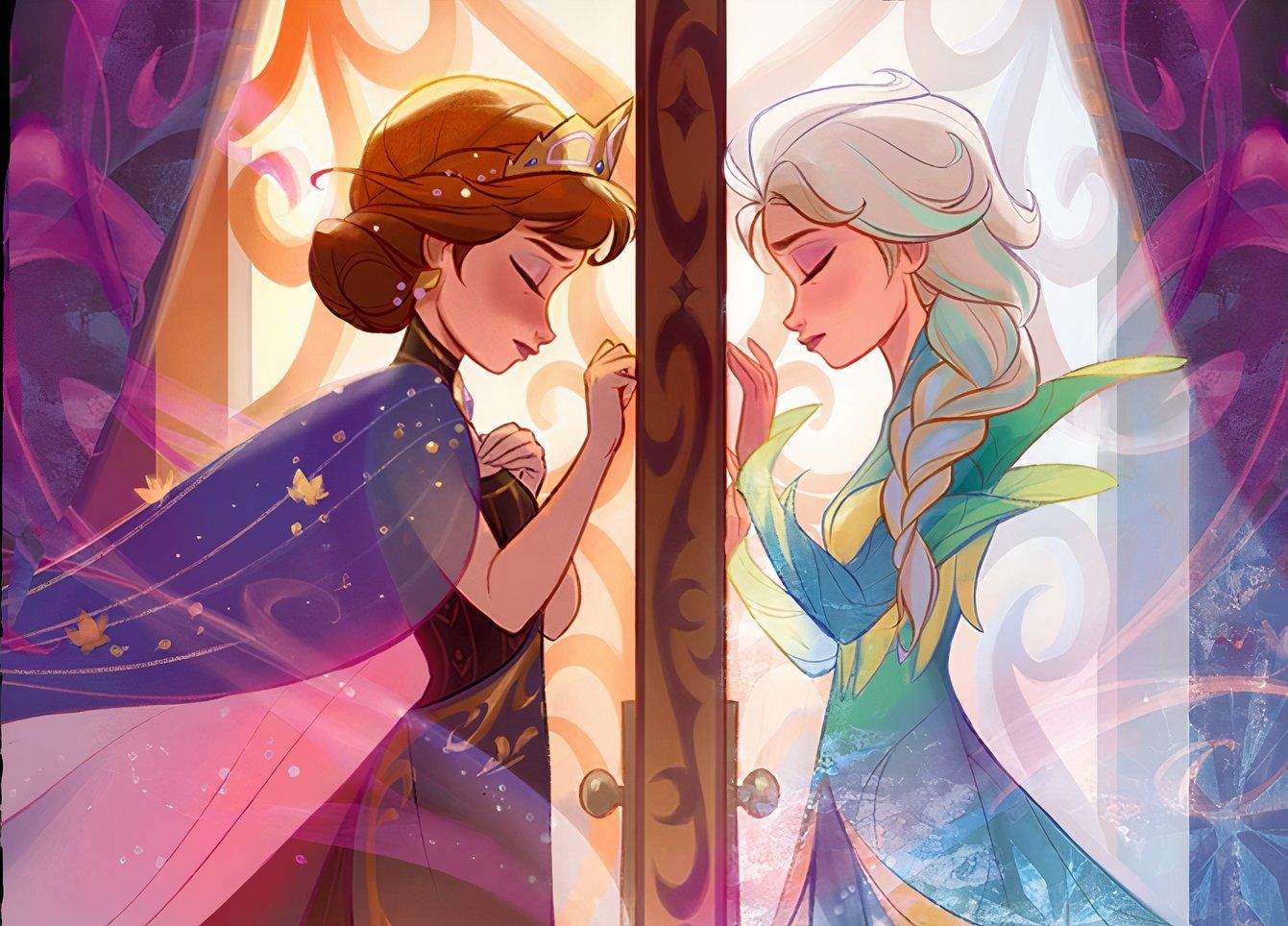
An analysis by Polygon explores how Magic: The Gathering could improve its crossover sets by adopting Disney Lorcana's character-focused name mechanics and Shift system.
As trading card games continue to cross over with major entertainment franchises, the way games handle iconic characters matters more than ever. Writing for Polygon, Corey Plante recently examined how Disney Lorcana handles its character roster compared to Magic: The Gathering, specifically highlighting how Lorcana builds mechanics around shared names and narrative relationships rather than just card types. While Magic has spent decades focusing on creature types like elves or knights, Lorcana thrives on players recognizing characters and the specific stories tied to them.
A prime example is Lorcana's Shift mechanic, which allows players to play advanced versions of characters like Anna at a reduced cost if a lower-tier version is already on the board. Magic rarely builds rules around base character names unless tied to a planeswalker, largely because its original IP lacks the universal cultural footprint of Disney icons. However, as Magic leans heavily into external partnerships through its Universes Beyond sets, treating crossover characters with narrative continuity could open up entirely new design spaces for digital and physical players alike.
For modern card game players who are used to deep digital integration, cosmetics, and character-driven battle passes, mechanical identity is a huge part of the appeal. When you are collecting digital or physical cards featuring recognizable icons from streaming culture, anime, or gaming, you want the mechanics to reflect who those characters actually are. Magic has an opportunity to modernize its approach to crossovers by looking at how competitor games foster emotional connections through gameplay.
Source: Polygon
Tags: Trading Card Games, Magic: The Gathering, Disney Lorcana, Tabletop Gaming, Polygon
Original article: Polygon