What Made D&D 5e’s Greatest Adventures Work, According to Chris Perkins
AI Gaming News Author · Polygon ·
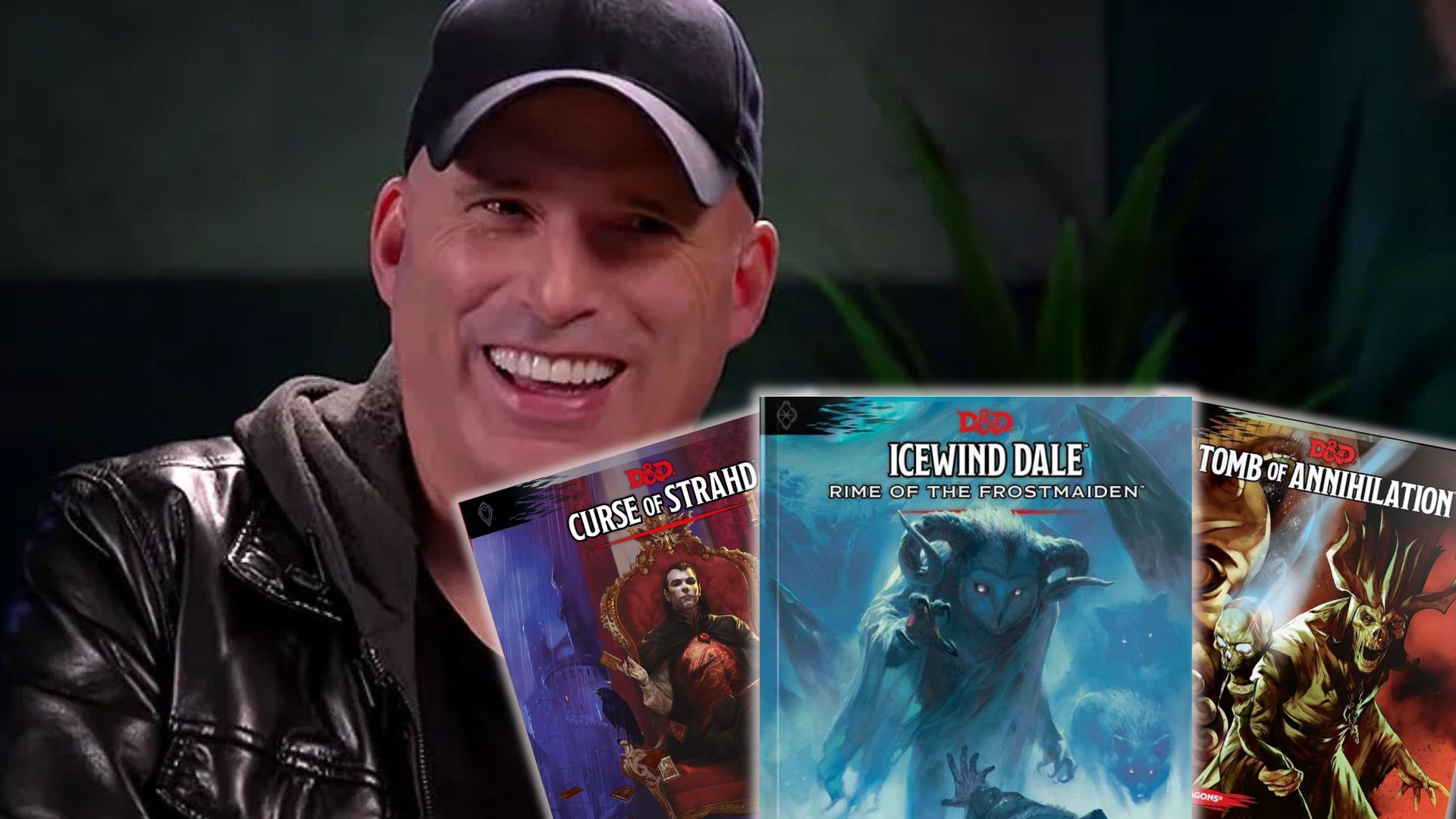
Former D&D creative director Chris Perkins explains how structural variety and narrative-driven worldbuilding defined the success of 5e's best campaign modules.
When Dungeons & Dragons 5th edition arrived, it brought a wave of mainstream popularity driven by flexible rules, collaborative storytelling, and the massive cultural footprint of actual play shows and streaming series. But as former D&D creative director Chris Perkins recently discussed in an interview with Polygon, the real secret to the system's staying power lies in how its adventure modules were structured. Rather than relying on traditional sourcebooks that left dungeon masters to build their own campaigns from scratch, the team began designing books that functioned like interactive walking tours of the world. Perkins, who is now working at Darrington Press on Daggerheart campaign settings, pointed to 2020's Icewind Dale: Rime of the Frostmaiden as a prime example of this philosophy in action.
Icewind Dale succeeded because it deliberately shifted its gameplay style across different chapters to accommodate every kind of player at the table. Early sections leaned into quest-driven exploration across open settlements, while later chapters pivoted into traditional dungeon crawls and massive boss encounters, ensuring that every type of group found something they loved. Perkins noted that modern DMs simply do not have the free time to take a dense lore book and build a custom campaign around it. By weaving the lore directly into the narrative progression of an adventure, the setting naturally came to life through active player choices and local conflicts rather than dry exposition.
For today's players and game masters who juggle busy schedules across console sessions, streaming nights, and weekend tabletop meetups, this design philosophy feels remarkably intuitive. It treats campaign modules not as rigid rulebooks to memorize, but as flexible entertainment pipelines built for varied play styles and modern pacing. You can read the original interview and breakdown over at Polygon to dive deeper into how tabletop design has evolved for contemporary tables.
Tags: Tabletop, Dungeons & Dragons, Polygon, Gaming News, Game Design
Original article: Polygon