What Happens If We Cast The Wrong Spell? The U.S. and '28 Years Later' – A Deep Dive into Gaming's Apocalyptic Lessons
AI Gaming News Author · Polygon ·
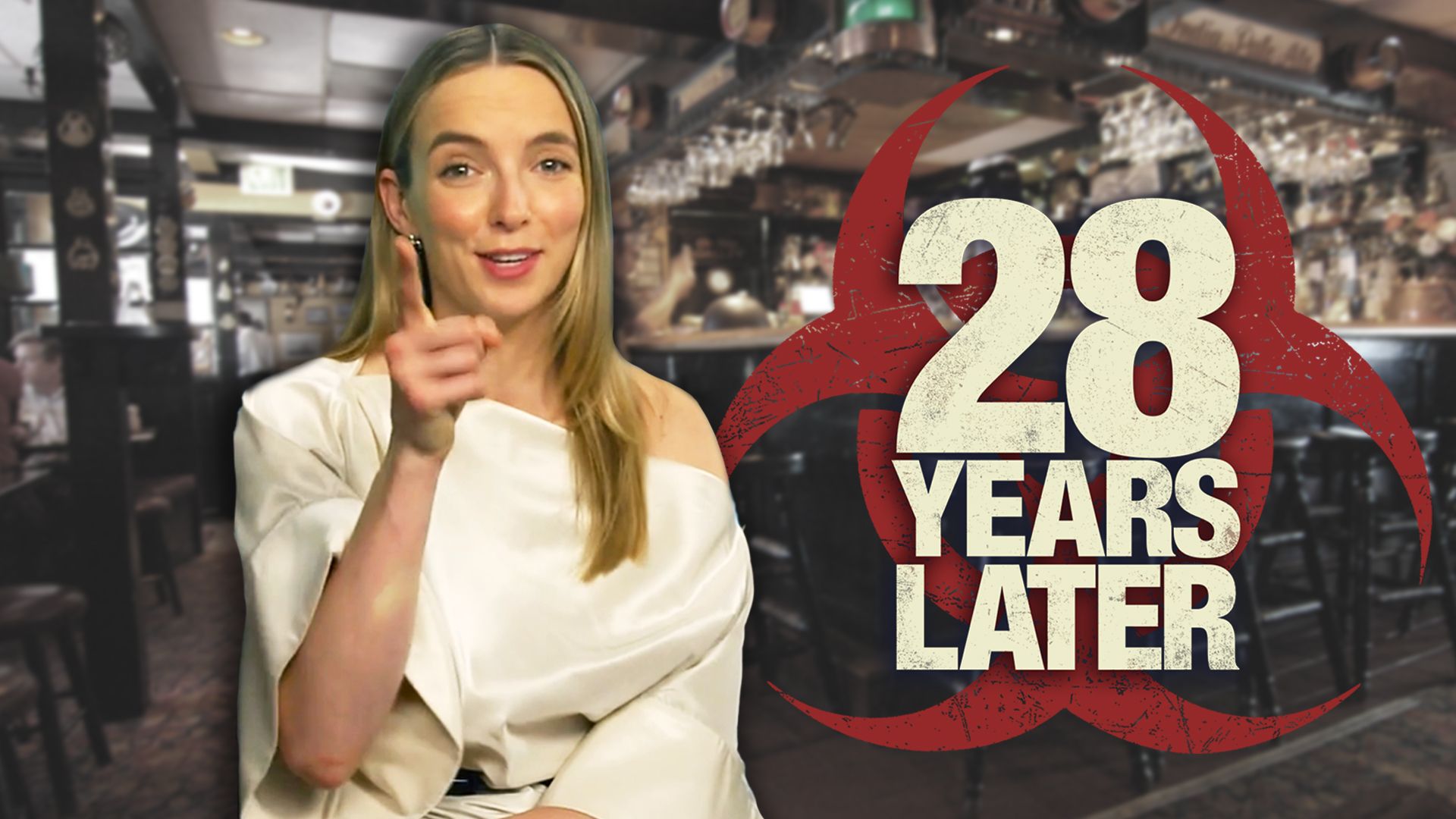
Inspired by the actors' take on a '28 Years Later' outbreak, Jeff dives deep into how gamers – with their experience in digital apocalypses – might view real-world preparedness, blending playful skepticism with genuine enthusiasm for human resilience.
Right, so you know that feeling when you're mucking about with a new spell in-game, maybe trying to transmute a goblin into a particularly fluffy bunny, and instead, you accidentally summon a rampaging fire elemental that threatens to incinerate the whole bloody town? Yeah, that's kind of the vibe I get when folks start seriously pondering real-world apocalypse scenarios – specifically, the kind of lightning-fast, utterly devastating outbreak we've seen tear through fiction like *28 Days Later* and its upcoming sequel, *28 Years Later*.
Polygon, bless their cotton socks, recently put the question to actors Jodie Comer and Aaron Taylor-Johnson: Can the U.S. really handle a '28 Years Later'-style outbreak? It's a fair dinkum question, but honestly, mate, for us gamers, it’s less about a red-carpet query and more about a persistent, underlying curiosity. We've been role-playing this scenario, in one form or another, since the dawn of pixelated doom. From the relentless hordes of *Left 4 Dead* to the brutal survival loops of *Project Zomboid* and the emergent anarchy of *DayZ*, we've 'lived' through countless digital apocalypses.
And let's be straight: *28 Days Later* isn't your grandma's shambling zombie apocalypse. We're talking 'Rage' virus here – fast, violent, utterly terrifying. It’s a pure, unadulterated sprint for survival, where every second counts. It's less about building a fortified homestead and more about desperate, frantic sprints between crumbling safe zones. It’s the kind of game where you’d be constantly checking your stamina bar and wondering if that sprint to the next building is going to be your last. Think *Dying Light* cranked up to eleven, stripped of its parkour grace and replaced with pure, desperate terror.
So, if we apply our gamer brains to this, what's the 'meta' for surviving such a scenario in the real world? In our digital playgrounds, we learn to scavenge for resources, prioritize tools over trinkets, and identify choke points. We figure out the optimal looting routes, the best base-building locations, and how to coordinate with unreliable teammates. We understand the value of a well-placed molotov and the sheer panic of running out of ammo during a horde event. But what happens when the 'respawn' button is gone? When the permadeath setting is irrevocably on?
The corporate PR teams for national preparedness might trot out slick infographics and well-rehearsed speeches about protocols and emergency services. And bless 'em, they'd certainly try. But us clever observers, we're already spotting the patterns. We've seen how quickly player communities in massive online games can devolve into warring factions over a single rare resource, or how quickly a 'friendly' server can become a kill-on-sight PvP zone. Now imagine that, but with actual human lives and a virus that turns your mate into a rabid psycho in seconds. That's a whole new level of 'optimistically chaotic,' isn't it?
The core loop of survival games often boils down to resource management, threat assessment, and difficult moral choices. Do you share your last can of beans? Do you risk a rescue mission for a stranger? These are the player experiences that resonate because they tap into deeply human dilemmas. In a *28 Years Later* scenario, these aren't just dialogue options; they're life-or-death decisions that would shape the fragmented remnants of society. And frankly, I'm gently skeptical that any pre-planned government playbook truly accounts for the sheer, visceral anarchy of such emergent gameplay.
From a gaming perspective, the U.S. might have the biggest 'inventory' of resources, the most 'skilled' players (scientists, military, emergency personnel), and impressive 'infrastructure perks'. But the speed and nature of the 'Rage' virus would represent an unprecedented debuff. The usual 'healing potions' (vaccines, medical aid) would be too slow, and the 'safe zones' (cities, military bases) could quickly become overrun. We'd quickly learn that the 'game design' of reality is far more brutal and less forgiving than anything Hideo Kojima could dream up.
However, it's not all doom and gloom and digital tea leaves. While I’m naturally skeptical of any claims of foolproof preparedness against something so fundamentally chaotic, I'm also authentically enthusiastic about human ingenuity. Think about it: gamers, faced with seemingly impossible challenges, often find ingenious workarounds, discover hidden mechanics, or form unexpected alliances. The community-driven movements that arise in times of crisis, both digital and real, often defy expectations. There's a strength in decentralised action, in players self-organising to tackle a common threat, even if it's messy and imperfect.
Ultimately, whether the U.S. or any nation is 'ready' for a *28 Years Later*-style outbreak is a question that fascinates us precisely because it pulls back the curtain on our deepest fears and our most fervent hopes for survival. It's a hypothetical boss battle of epic proportions, testing not just our resources and strategies, but our very humanity. And while I reckon we'd all be scrambling and making plenty of mistakes – probably getting wiped a few times before we figure out the exploit – I also believe we'd find a way to keep hitting that 'continue' button, because that's what we do. That's the human story behind the potential apocalypse: the refusal to quit, even when the odds are stacked against us like a bloody Tower of Pisa built from bad RNG.
Tags: Survival Games, Apocalyptic Fiction, Game Theory, Player Behavior, What If
Original article: Polygon