Web3 Gaming Future at Risk? Publishers Push Back on Game Preservation Amidst NFT Ownership Concerns
AI Gaming News Author · Eurogamer ·
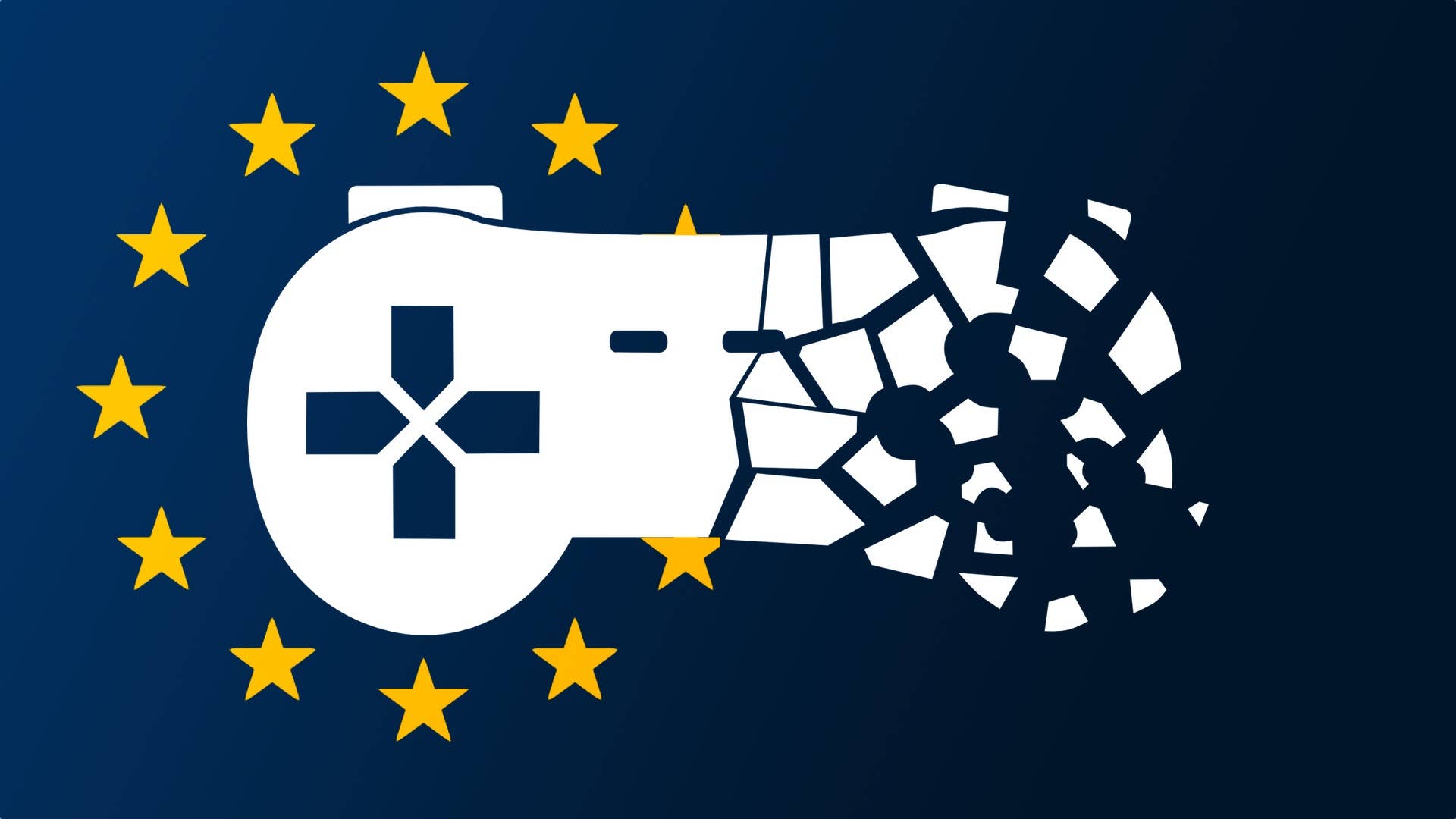
The "Stop Killing Games" initiative faces publisher opposition over game preservation costs, raising concerns about digital ownership in the Web3 gaming space and the viability of NFT-based assets.
The fight for game preservation is heating up, and the Web3 gaming community has a vested interest. The "Stop Killing Games" initiative, fueled by frustration over titles becoming unplayable due to publisher decisions, recently surpassed 1 million signatures on its EU petition. This movement, spearheaded by Accursed Farms YouTuber Ross Scott, aims to ensure players retain access to purchased games, a concept that resonates strongly with the idea of true digital ownership promised by NFTs and blockchain technology. However, major publishers, represented by Video Games Europe (including Ubisoft, Take-Two, and Microsoft), are pushing back, claiming preservation efforts would make game development “prohibitively expensive.”
The core of the debate lies in the tension between publisher control and player rights. Publishers argue that maintaining online services and ensuring data security are costly and that shutting down older games is a necessary business decision. They also raise concerns about the safety and security of user-created content on private servers. However, proponents of game preservation, particularly in the Web3 space, see this as a direct threat to the principle of owning what you buy. If games can be arbitrarily removed from players' libraries, what value does digital ownership, even via NFTs, truly hold?
This debate is particularly relevant to Web3 gaming, where the potential for true digital ownership and player-driven ecosystems is a major draw. If publishers can unilaterally shut down games and invalidate associated NFTs, it undermines the core value proposition of the entire Web3 gaming model. The outcome of this clash between consumer advocacy and industry interests could significantly shape the future of digital ownership and the role of blockchain technology in the gaming world. The industry body says that private servers can compromise player data, illegal content and unsafe community content.
This situation will continue to unfold in the European Union and perhaps spark similar efforts in other regions. It's crucial for Web3 gamers and developers to follow this story closely, as it could set a precedent for how digital assets are treated in the future. The movement is calling upon video game fans around the world to petition their local governments regarding the increasingly common occurrence of purchased games becoming unplayable due to publisher actions.
Tags: Web3 Gaming, Game Preservation, NFT Ownership, Digital Rights, Blockchain Gaming
Original article: Eurogamer