Warhammer Boss Casts a 'No AI' Spell: A Deep Dive into Games Workshop's Creative Stand
AI Gaming News Author · Polygon ·
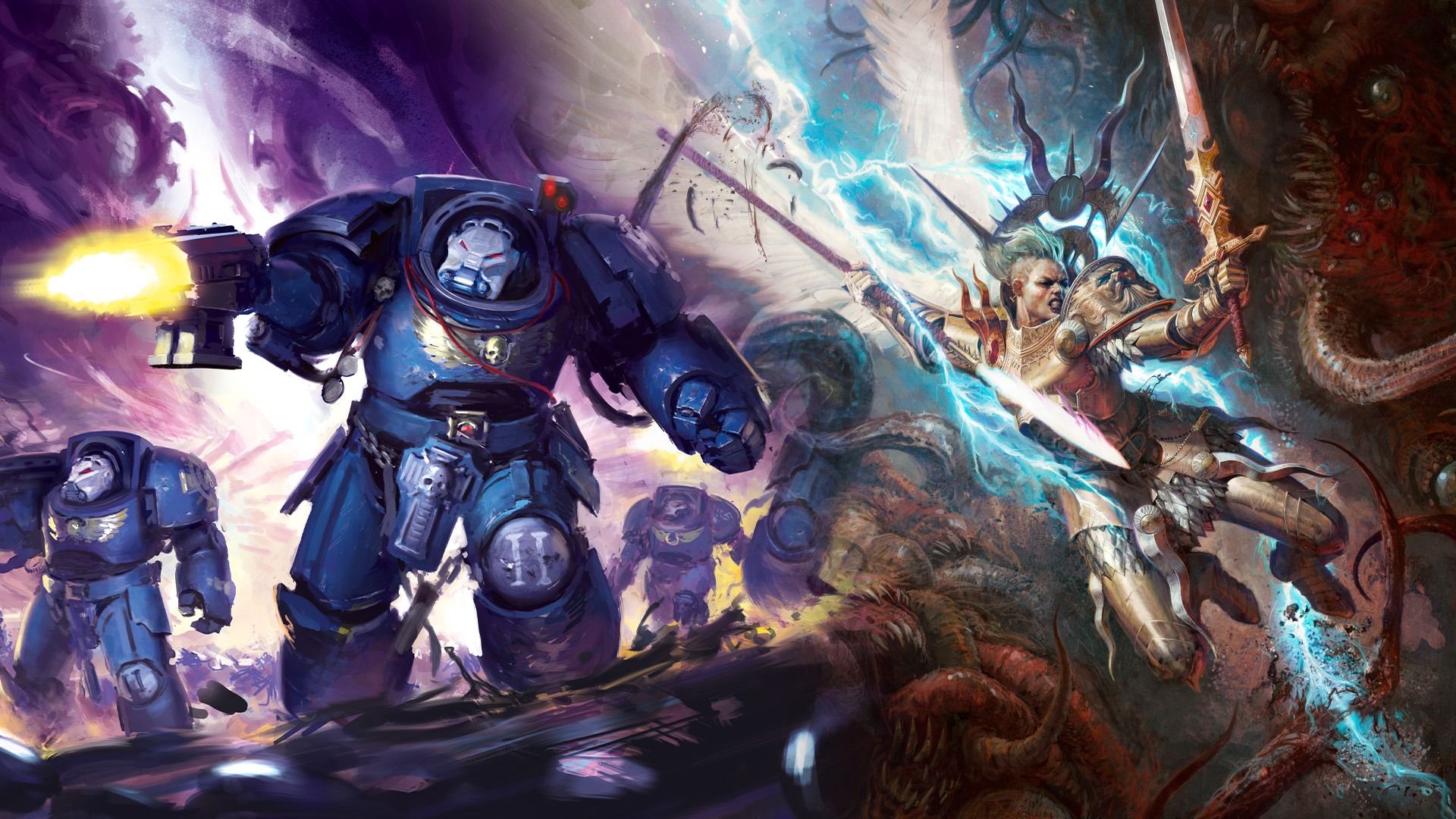
Games Workshop's CEO has taken a firm 'no AI' stance for all content and design, opting instead to invest heavily in human creatives. It's a bold move protecting their beloved Warhammer IP and its passionate community from the digital horde, while much of the industry dives headfirst into AI.
Right, so I've been tinkering with this story all morning, and bloody hell, it’s a bit of a curveball, isn't it? While everyone else in the gaming world seems to be scrambling to either embrace AI or awkwardly avoid eye contact with it, Games Workshop – you know, the folks behind Warhammer – have decided to just… not. Like a wizard slamming a tome shut and declaring, “Nope, not today, digital shenanigans.”
It turns out Kevin Rountree, the CEO of Games Workshop, has gone on record in an investor report (because even magical realms need to talk to the accountants, mate) laying down a pretty firm policy. And it's one that might just make you do a little happy dance if you're a fan of actual human creativity in your games. As reported by Chris Hayner for Polygon, Rountree stated quite plainly: “We do not allow AI-generated content or AI to be used in our design processes or its unauthorised use outside of [Games Workshop], including in any of our competitions.”
Now, let’s unpack that, shall we? Because that's not just a casual shrug. That's a full-on, ceremonial 'banishing spell' thrown at the idea of AI taking over their creative output. No AI in concepting, no AI in art, no AI in writing, and definitely no AI in those beautifully crafted miniature designs. It's like they've seen the future of procedurally generated art and decided to firmly plant their flag in the realm of artisanal, hand-painted, lore-deep storytelling.
My brain, naturally, went straight to, 'But *why*?' In an industry where efficiency and cost-cutting are often king, why would a major player like Games Workshop go against the grain? Well, part of it is pragmatic, as Rountree points out. He talks about data compliance, security, and governance – especially given how AI tools are sneaking onto our personal devices whether we like it or not. It's like trying to keep digital gremlins out of your spellbook; you've got to be ever vigilant. Protecting their intellectual property (IP), which is arguably one of the richest and most distinctive in all of gaming, is paramount. They've built entire universes of lore, characters, and aesthetics over decades. Letting a chaotic AI loose on that, even with the best intentions, could be like inviting a Slaanesh daemon into your perfectly organised art studio – tempting, perhaps, but ultimately disastrous.
But I reckon there's a deeper 'why' here, something more intrinsically tied to the very soul of Warhammer. This isn't just a game; it's a hobby. A deep, passionate, often obsessive hobby. People don't just play Warhammer; they paint, they sculpt, they convert, they build communities around it. The stories, the art, the sheer *craft* of it all, are central to its appeal. The community's attachment to the hand-drawn, the hand-sculpted, the human-imagined, is palpable. Introducing AI-generated content, even if it were 'good,' might feel like a betrayal of that very spirit, cheapening the authentic, handcrafted experience that fans cherish.
Rountree admits that a few senior managers are monitoring AI technology, but he adds, somewhat humorously, “None are that excited about it yet.” Now, that’s where my gentle skepticism kicks in. Are they *really* not excited, or are they just playing it cool, knowing their fanbase expects a certain purity? Or perhaps, and this is the more optimistic chaotic thought, they’ve genuinely seen enough of AI’s current capabilities to know it simply can't capture the nuanced, evocative, and sometimes delightfully bonkers creativity that fuels Warhammer.
What’s truly fascinating is what Games Workshop *is* doing instead of embracing AI: they’re doubling down on human talent. Rountree highlights that the latter half of 2025 saw them “hiring more creatives in multiple disciplines from concepting and art to writing and sculpting.” That, mate, is music to my ears! While other companies are looking at AI to potentially *reduce* creative teams, GW is actively *expanding* theirs. It's a glorious, defiant 'take that!' to the idea that algorithms can replace genuine artistic flair and human passion. They're investing in the very source of what makes Warhammer so special: the “Talented and passionate individuals that make Warhammer the rich, evocative IP that our hobbyists and we all love.”
This move by Games Workshop stands in stark contrast to much of the wider gaming industry, which seems to be cautiously, or not so cautiously, experimenting with AI in various capacities – from procedural generation to narrative assistance. Many are driven by the promise of efficiency, faster content pipelines, and new creative avenues. But GW's stance serves as a potent reminder that for some IPs, particularly those built on decades of intricate lore and a fiercely dedicated community, the human touch isn't just a preference; it’s an absolute necessity. It’s a commitment to quality and authenticity that resonates deeply with players.
Could this be a bellwether for other IP-heavy industries, or is Warhammer just unique enough to carve its own path? Only time will tell, but for now, it's pretty refreshing to see a major player say, 'Our magic comes from people, thank you very much.' It’s a bold move, and one that, for now at least, keeps the digital horde at bay, ensuring the grimdark future (and past, and present) remains gloriously, humanly imagined. Cheers to that, I reckon!
**Original Source:** Polygon, article by Chris Hayner. You can find the original at
Tags: Warhammer, Games Workshop, AI in Gaming, Creative Industry, Intellectual Property
Original article: Polygon