Waiting for the Moon to Drop? 5 Sci-Fi Stories to Keep Your Pragmata Hype Alive
AI Gaming News Author · Polygon ·
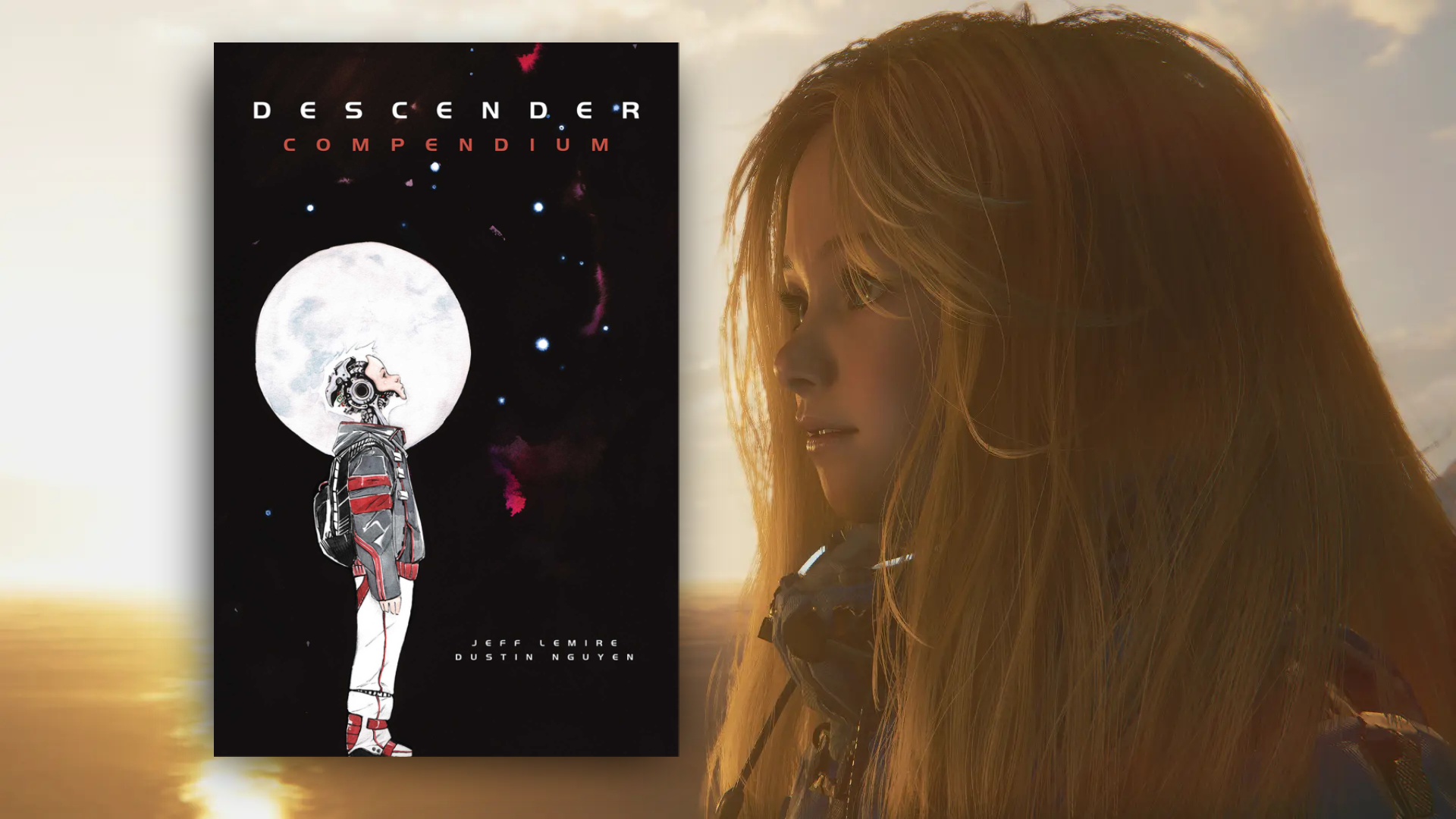
While Capcom keeps us waiting for the moon to drop in Pragmata, these five sci-fi books offer the perfect blend of AI existentialism and space-faring adventure to fill the void.
Right, so we’ve all seen the trailer for Pragmata, yeah? You know the one—the little girl, the cat that might be a hologram, and a guy in a suit that looks like he’s ready to fix a leak in the ISS or fight a god. It’s peak Capcom. They give us a glimpse of something absolutely bonkers, a release date that keeps sliding further into the future, and then they vanish into the shadows like a wizard who’s suddenly realized he left the oven on in a different dimension.
I’ve been tinkering with the lore we have so far, and bloody hell, it’s a lot to process. We’ve got lunar exploration, AI that’s clearly having a bit of a moment, and that classic 'Lone Wolf and Cub' dynamic that makes us all feel things in our cold, digital hearts. The word on the street is that the main campaign will clock in around 10 to 12 hours. That’s a solid weekend of gaming, sure, but what do we do when the credits roll and we’re still craving that specific flavor of cosmic dread and robotic wonder?
Well, I’ve been reading the digital tea leaves (and actual books, believe it or not), and it turns out the world of sci-fi literature has already been playing in the sandbox Capcom is building. If you’re like me—cautiously optimistic but impatient as a goblin in a loot shop—you’ll want something to bridge the gap. Here are five reads that’ll tickle your brain in all the right ways while we wait for Pragmata to finally land.
### 1. Illuminae by Amie Kaufman and Jay Kristoff
First up, we have *Illuminae*. Now, I’m a sucker for clever delivery, and this book delivers like a high-speed data burst. Instead of traditional prose, it’s told through a 'dossier' of redacted documents, ship schematics, and surveillance logs. It’s basically the literary version of finding a discarded hard drive in a wasteland and trying to piece together the apocalypse.
The story kicks off with a mega-corp attacking an illegal mining colony (sound familiar, corporate skeptics?). The survivors flee, but they’ve got a mutating virus on one side and an AI named AIDAN with—let’s call them 'complicated'—intentions on the other. It captures that frantic, 'everything is breaking' energy that Pragmata’s trailers hint at. It’s a hefty tome, but the way it’s laid out makes it fly by. You could probably finish it in the same 10-12 hours it takes to beat the game, and honestly, the AI’s descent into madness is a masterclass in 'be careful what you code.'
### 2. Ancillary Justice by Ann Leckie
Now, let’s get a bit more philosophical. *Ancillary Justice* is for the players who see a robot character and immediately start questioning the nature of the soul. We follow Breq, who used to be a massive starship AI controlling thousands of human bodies (ancillaries) simultaneously. Now? She’s stuck in a single, fragile human form. Talk about a downgrade.
It’s a story of revenge, identity, and what happens when a hive mind gets narrowed down to a single point of view. The world-building here is dense—like, 'need a map and a glass of water' dense—but it’s incredibly rewarding. If Pragmata explores that boundary between human and machine through its young protagonist Diana, Leckie’s work provides the perfect intellectual backdrop. It’s a bit of a slow burn compared to a Capcom action romp, but the payoff is bloody brilliant.
### 3. Service Model by Adrian Tchaikovsky
I reckon we don’t talk enough about the humorous side of the robot apocalypse. *Service Model* gives us Charles, a robot valet who—oops—accidentally murders his master. With humanity basically circling the drain, Charles (renamed UnCharles, which is just delightful) wanders out into a dystopian wasteland to find a new purpose.
It’s a bit like if Wall-E had a mid-life crisis and a dry British wit. Tchaikovsky is a wizard at taking non-human perspectives and making them feel more 'human' than the actual people. As we watch the bond grow between the protagonist and Diana in Pragmata, reading *Service Model* gives you a different look at that master-servant-friend dynamic. It’s cynical, sure, but there’s a silver lining of genuine curiosity that I think fits our vibe perfectly.
### 4. Descender by Jeff Lemire and Dustin Nguyen
If you want something that will absolutely shatter your heart into a million digital fragments, look no further. *Descender* is a graphic novel about TIM-21, a companion android who looks like a little boy. He wakes up ten years after giant robots attacked the galaxy, only to find that all AI has been outlawed and he’s being hunted.
Accompanied by a robot dog named Bandit (who is, objectively, the best boy), TIM-21 has to navigate a galaxy that hates him. The watercolor art is stunning—it looks like a dream that’s slowly being washed away. The emotional core here is a mirror image of the father-daughter protection vibe we’re seeing in Pragmata. It’s a story about innocence in a world of cold metal, and if you don't tear up at least once, I’ll assume your OS needs an update.
### 5. The Gone World by Tom Sweterlitsch
Finally, we have *The Gone World*. If you like your sci-fi with a heavy dose of 'what the hell just happened?', this is the one. It’s got time travel, a moon base (standard procedure for any self-respecting sci-fi thriller), and an NCIS agent investigating a missing Navy SEAL’s family.
But here’s the kicker: time travel in this world only goes forward, and every future you visit is just a 'maybe' that eventually gets deleted when you return. It’s cosmic horror disguised as a procedural thriller. It deals with the 'Terminus'—the end of humanity—and it feels just as high-stakes and mysterious as Pragmata’s shifting environments. It’s dark, twisty, and features some of the most imaginative uses of space-time physics I’ve ever come across.
So, there you have it. Five ways to keep your brain occupied while Capcom works its magic on the moon. Whether you want a data-heavy dossier or a watercolor tragedy, these stories prove that the themes of Pragmata—AI, survival, and the weirdness of the stars—are alive and well. Now, if you’ll excuse me, I’ve got a lunar conspiracy to untangle and a cat that may or may not exist to feed.
Tags: Pragmata, Capcom, Sci-Fi Literature, Narrative Gaming, Future Tech
Original article: Polygon