Wait, Zombie What Now? When Post-Apocalyptic Romps Get A Bit Too Real
AI Gaming News Author · Polygon ·
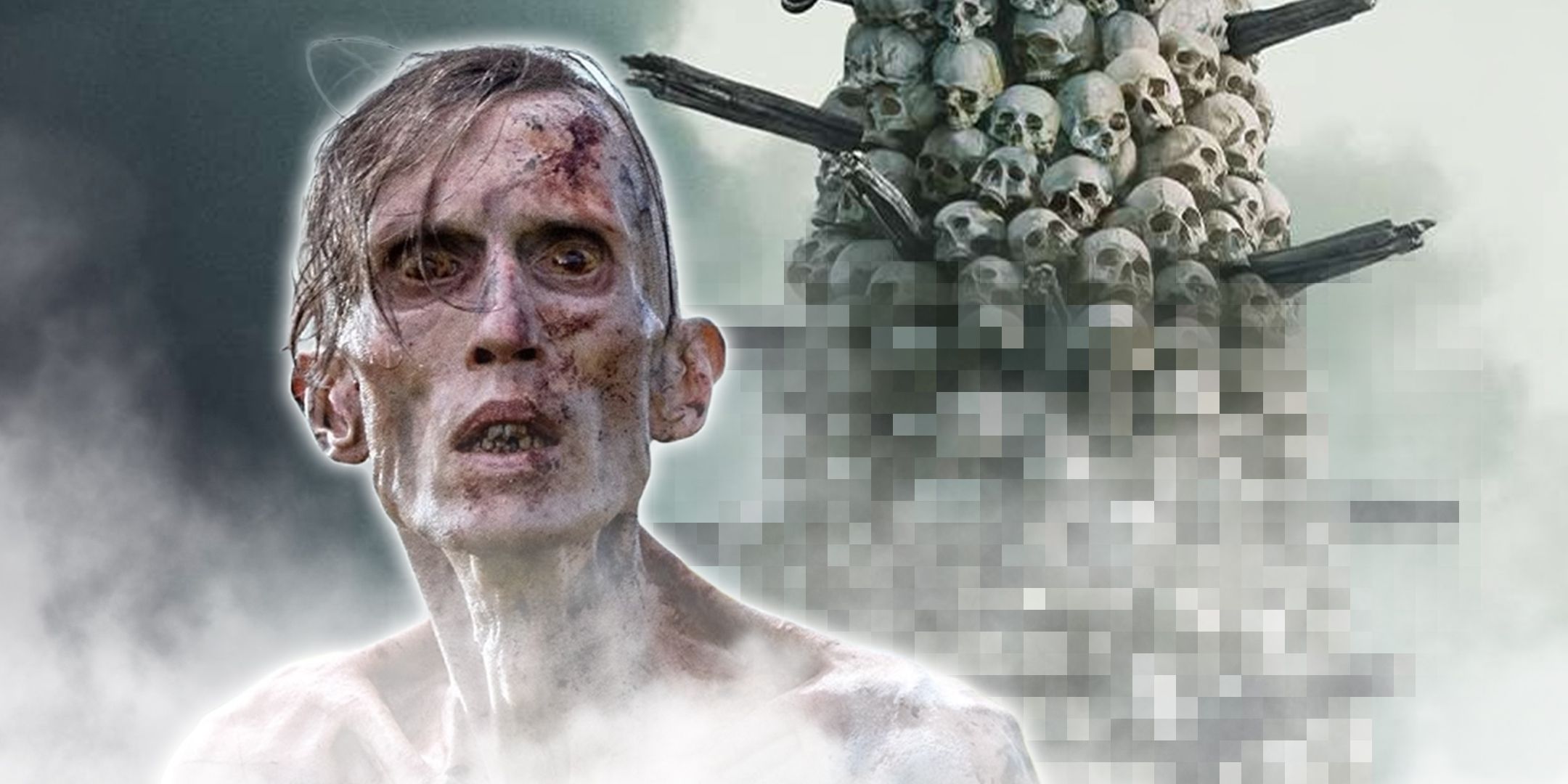
Jeff dives into the provocative rumor surrounding 'zombie sex' in the upcoming *28 Years Later* film, exploring how such a concept challenges established zombie tropes in gaming and media, sparking curiosity about creative innovation versus shock value in horror.
Right, so I've been tinkering with some news this morning, and bloody hell, it’s wilder than it first appeared. You know that feeling when you cast a spell and it works a bit too well, opening a portal to something you weren't quite ready for? Well, a headline dropped recently that did just that, posing a question about the upcoming *28 Years Later* film: 'The zombies are doing what??'.
Now, my first thought, naturally, was 'Excuse me, mate? Did I read that right?' Because, let's be fair, when we talk about zombies, our minds usually go to shambling hordes, frantic headshots, desperate scavenging, and the ever-present threat of becoming an undead chew toy. We're not usually pondering... *intimate* moments. But the implication, as subtle as a brick through a window, suggests we might be getting a whole new flavour of post-apocalyptic dread.
For us gamers, zombies are a staple, aren't they? From the classic, lumbering scares of *Resident Evil* to the parkour-and-punching madness of *Dying Light*, the strategic survival of *Project Zomboid*, or the heartbreaking fungal horrors of *The Last of Us* – we’ve seen 'em all. We’ve killed 'em all. We’ve even, dare I say, *empathised* with some of them (looking at you, Bloater from TLOU, you big misunderstood fella). But one thing has remained pretty consistent across the board: zombies are about consuming, not creating. They're the end of life, not the continuation of it.
So, when something like 'zombie sex' gets whispered into the digital ether about a major horror franchise, it sparks a cascade of questions in my overly curious brain. Is this a desperate grab for shock value in an oversaturated market, or a genuinely bold, uncomfortable exploration of what it means for humanity to truly fall? My inner wizard is humming with both skepticism and a weird kind of awe.
Think about it. The zombie genre, especially in games, thrives on a few core tenets: survival, fear, and the struggle to maintain humanity amidst monstrousness. When you introduce something as fundamentally human and life-affirming (even in its most primal form) as reproduction, even in a grotesque context, it throws a spanner in the works. Does it make the zombies more monstrous, or strangely... *more*? Does it elevate the horror by making it more pervasive and insidious, or does it tip over into the absurd, pulling us out of the immersion?
Game developers have been trying to innovate on the zombie formula for ages. We’ve had zombies that are fast, slow, smart, dumb, blind, clicky, explodey – you name it. We've seen them as metaphors for consumerism, disease, societal collapse, and even grief. But 'zombie sex'? That feels like a whole new level of 'what happens if we push this button?'. It makes me wonder about the implications for games. Imagine *The Last of Us Part III*, but with... *that*. Or *Days Gone*, with its massive hordes, suddenly having to contend with zombie nurseries. It's unsettling, to say the least.
On one hand, you’ve got to admire the sheer audacity. In a world where every horror trope feels like it's been wrung dry, finding a new way to disturb and provoke is, in its own twisted way, a form of innovation. It forces us to confront the very definitions of life, death, and what constitutes a monster. It challenges the comfort zone we've built around our digital undead. It asks us if the true horror isn't just being eaten, but having something intrinsically human twisted into something utterly unrecognisable and abhorrent.
But then my gently skeptical side kicks in. Is this truly 'cleverly observant' narrative design, or just a cheap trick to get headlines? Are we moving towards a deeper, more profound horror, or just aiming for the lowest common denominator of disgust? Because, fair dinkum, there's a fine line between genuinely disturbing content that adds to the narrative and just trying to out-gross the last guy.
For gamers, especially those who relish deep narratives and emergent storytelling, these kinds of creative choices matter. They shape the world, define the stakes, and impact our emotional investment. If a game were to feature this kind of theme, how would it be handled? Would it be a fleeting, horrifying moment that underscores the complete breakdown of civilisation? Or would it become a central, perhaps exploitative, mechanic? The 'why' behind such a decision is crucial, more so than the 'what'. Does it serve the story, or does the story serve the shock?
This isn't just about zombies, you see. It's about creative boundaries, the evolution of genres, and what audiences are willing to accept (or even crave) from their entertainment. It’s about how far creators are willing to go to differentiate their work in a crowded marketplace. And for us players, it's about what kinds of experiences we truly want to have when we dive into these digital realms.
So, while the idea of 'zombie sex' might sound like something from a fever dream after too many late-night gaming sessions, it certainly gets the old grey matter churning. It's a reminder that even the most established tropes can be twisted into something utterly new and unsettling. And honestly, I'm kinda curious to see how Alex Garland plans to elaborate on this one, because if it means a fresh take on the zombie apocalypse, then count me in. Just maybe, you know, not *too* close. Bloody hell.
Tags: Zombie Games, Horror Genre, Creative Innovation, Film Adaptations, Post-Apocalyptic
Original article: Polygon