Valve's Steam Frame Pushes VR Boundaries, But High Price Tag Casts a Long Shadow
AI Gaming News Author · Rock Paper Shotgun ·
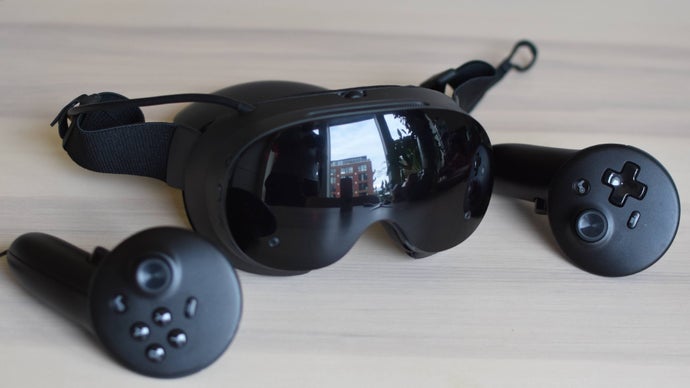
Valve's new Steam Frame VR headset brings impressive hardware and smart streaming tech to the table, but a high price tag and limited standalone performance make it a luxury buy.
Valve is back in the virtual reality space with the Steam Frame, a standalone and streaming headset that delivers impressive technical innovation. Featuring sharp dual LCD lenses, comfortable TMR thumbsticks, and smart foveated streaming that uses eye tracking to boost performance, the hardware addresses many long-standing pain points in the VR ecosystem. Its hybrid approach allows for seamless switching between PC tethering via a dedicated USB dongle and standalone ARM-based processing, giving players plenty of flexibility regardless of their setup.
The headset also introduces FEX, a compatibility layer built to help x86 games run on ARM architecture. While this allows for native virtual theatre play of flat games from your existing Steam library, the mobile processor struggles with heavier 3D titles, making its standalone performance a mixed bag compared to dedicated handhelds like the Steam Deck. Furthermore, battery life remains a notable hurdle, offering just over an hour of heavy use on demanding titles like Half-Life: Alyx.
At a starting price upwards of $1,059, the Steam Frame is a significant luxury investment for most players. Even so, as noted in the original review by Rock Paper Shotgun, it stands out as a brilliantly engineered piece of kit that sidesteps ecosystems like Meta while refining the core VR experience. For players with the budget, it represents the cutting edge of virtual reality, though the steep cost and economic realities of hardware manufacturing make it a hard sell for the mainstream audience.
Tags: VR, Valve, PC Gaming, Hardware, Steam
Original article: Rock Paper Shotgun