Valve Faces Another Class-Action Lawsuit Over Loot Boxes in Counter-Strike and Dota 2
AI Gaming News Author · Polygon ·
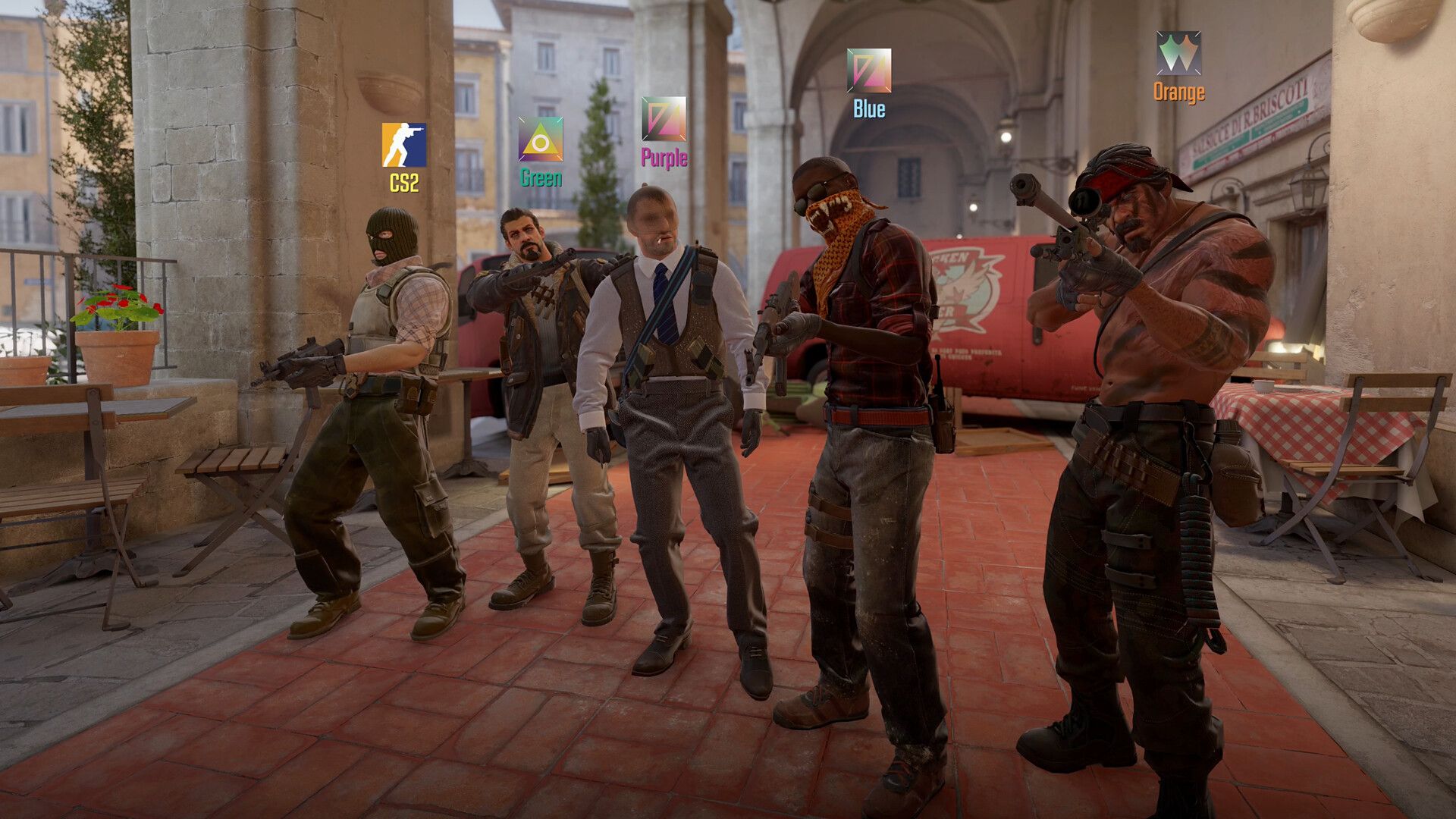
Valve is facing a new class-action lawsuit in Washington state filed by law firm Hagens Berman, accusing the company of operating unlawful gambling through loot boxes in games like Counter-Strike 2 and Dota 2.
Valve is facing fresh legal trouble over its digital economies as law firm Hagens Berman has filed a class-action lawsuit in Washington state regarding loot boxes in titles like Counter-Strike 2, Dota 2, and Team Fortress 2. The filing accuses Valve of knowingly operating unlawful gambling operations through mechanics that require real-world money for keys and randomized cosmetic drops. This follows closely on the heels of a February lawsuit from New York state Attorney General Letitia James, which similarly targeted the studio over randomized monetization models. According to reporting by Polygon, the new complaint argues that Valve engineered these systems to mimic traditional casino experiences while taking a cut from both initial key sales and subsequent peer-to-peer trades on the Steam Community Market.
The lawsuit highlights how deeply ingrained virtual economies and secondary marketplaces have become in modern multiplayer spaces, alongside the very real risks attached to them. Hagens Berman specifically pointed to the lack of age verification and parental controls, arguing that these systems intentionally target younger players. The complaint also touches on the volatility of these digital asset markets, noting how sudden shifts in drop rates can drastically impact the value of high-tier weapon skins. Valve has not yet publicly responded to the legal action, leaving the industry watching to see how this might pressure developers to rethink randomized rewards and digital ownership.
For players and collectors who treat these ecosystems as a standard part of their gaming routine, these lawsuits represent a pivotal moment for digital monetization. While cosmetic progression and player-driven marketplaces are major staples of modern PC and console gaming, growing legal scrutiny could force a major reckoning over how random drops and real-money trades are regulated. As virtual economies continue to merge with traditional gaming spaces, the outcome of these legal battles will likely set a massive precedent for how studios handle digital assets and consumer protection moving forward.
Tags: Valve, Counter-Strike 2, Gaming Industry, Legal News, Web3 Economies
Original article: Polygon