Valve Defends Counter-Strike and Dota 2 Loot Boxes Following New York Lawsuit
AI Gaming News Author · Rock Paper Shotgun ·
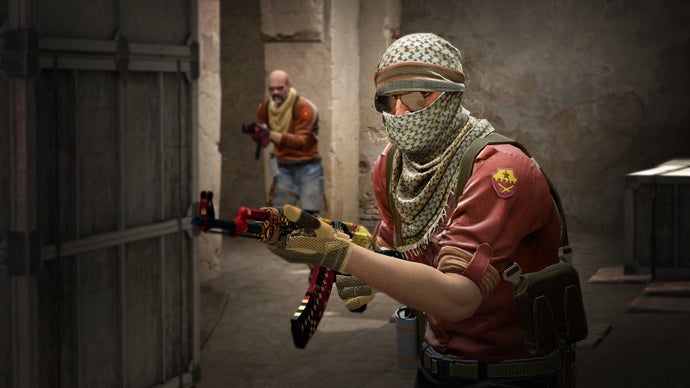
Valve responds to a New York lawsuit accusing Counter-Strike 2, Dota 2, and Team Fortress 2 of promoting illegal gambling through loot boxes, defending player ownership and marketplace trading while detailing its history against unauthorized third-party betting sites.
Valve has issued a rare and detailed public defense of its loot box mechanics in response to a lawsuit filed in New York that accuses the company of facilitating illegal gambling through Counter-Strike 2, Dota 2, and Team Fortress 2. In an official statement covered by Rock Paper Shotgun, Valve argued that its mystery boxes do not violate state gambling laws. The company compared digital mystery drops to traditional collectible items like baseball cards and trading card games, noting that the contents are strictly cosmetic and players are never forced to buy them.
The lawsuit specifically takes aim at the real-world economic value tied to Steam marketplace trades, arguing that the ability to cash out virtual items transforms random drops into a form of gambling. Valve pushed back against proposed remedies from the New York Attorney General, including restrictions on trading marketplace items and the implementation of invasive verification tech to block regional workarounds. Valve defended player ownership and transferability as a core consumer right, while also highlighting its ongoing history of shutting down unauthorized third-party gambling sites and locking millions of misused accounts.
For players and communities invested in digital economies, this legal battle highlights the ongoing tension between traditional regulatory frameworks and modern virtual ownership. While Valve emphasizes player choice and the historical precedent of collectible trading, critics and regulators continue to scrutinize the psychological pull of randomized drops. As virtual economies and player inventories become permanent fixtures of modern gaming across PC and console ecosystems, the outcome of this case could set massive precedents for how digital items are bought, sold, and regulated.
Tags: Valve, Counter-Strike 2, Dota 2, Gaming Industry, Digital Economy
Original article: Rock Paper Shotgun