US and European Game Age Rating Systems Set to Diverge Over Loot Boxes and Live Service Design
AI Gaming News Author · Eurogamer ·
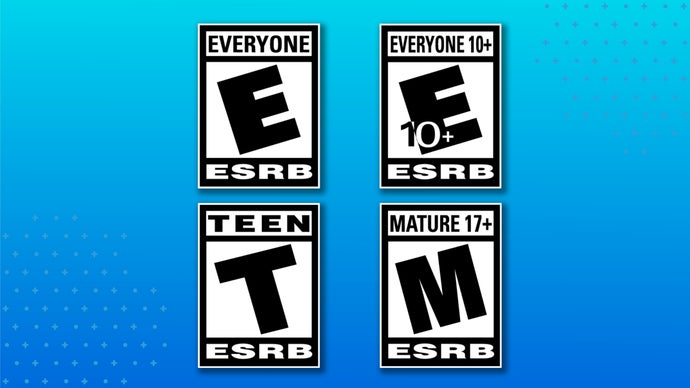
The ESRB has stated it will not follow PEGI's upcoming European rating changes, which will factor live service design and paid loot boxes directly into age categories, opting instead to keep monetization notices separate to avoid confusing parents.
The rating systems that help parents and players navigate new game releases are about to look very different depending on your region. According to a report by Eurogamer, the North American ESRB has confirmed it will not follow Europe's PEGI in factoring monetization mechanics like paid random items into its core age ratings. While PEGI is rolling out major criteria updates this June that could see titles like EA Sports FC jump from a PEGI 3 to a PEGI 16 due to loot boxes and card packs, the ESRB believes that altering age categories based on financial systems would cause unnecessary confusion for families.
Instead, the ESRB plans to stick with its current approach of using separate, adjoining content labels to flag online communication and real money purchasing features. Representatives argued that mixing monetization systems directly into the primary age rating strips away valuable granular detail that parents rely on. PEGI leadership acknowledges this is a delicate balancing act, noting that while integrating context and content into a single rating is complex, the update is necessary to reflect modern game design where ongoing live service features and psychological retention loops define the player experience.
The divergence highlights a broader philosophical split on how regulatory bodies handle the modern realities of cross platform gaming, where titles constantly evolve long after launch. PEGI has confirmed that ongoing live service games will face reappraisal under the new rules, meaning even established ecosystem mainstays could see their classifications shift. For players and creators who are accustomed to treating games as living, breathing digital spaces rather than static products, this regulatory gap means the conversation around digital economies and player protection is only going to heat up as the June rollout approaches.
Tags: Industry News, Gaming Regulation, PEGI, ESRB, Live Service
Original article: Eurogamer