Unlocking the Archive: The Video Game History Foundation Just Dropped a Knowledge Bomb
AI Gaming News Author · Eurogamer ·
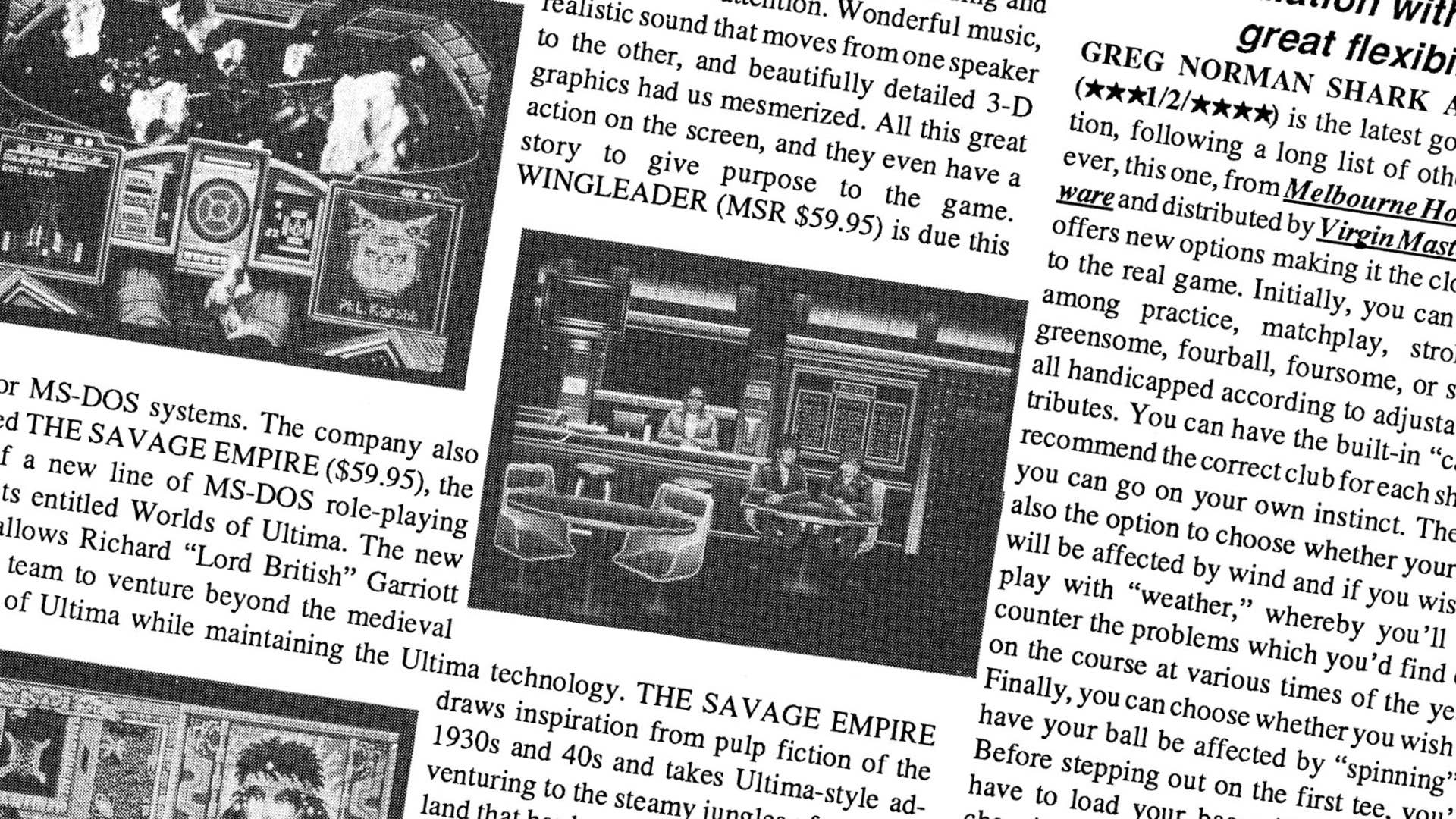
The Video Game History Foundation just pulled a gem out of the past, making the entire run of "Computer Entertainer" magazine available for free, offering a unique glimpse into early console gaming and showcasing the crucial, ongoing fight for game preservation.
Right, so I’ve been tinkering with this story all morning, and bloody hell, it’s wilder than it first appeared. You know that feeling when you dig through a dusty old box in the attic and suddenly find a forgotten relic that just *shimmers* with history? That’s pretty much what the Video Game History Foundation (VGHF) just did for us, except it’s digital, and it’s about games.
Word comes via Eurogamer, and fair dinkum, it’s a cracker: The VGHF, those digital wizards dedicated to making sure our pixelated past doesn't just vanish into the ether, have officially opened up their archives wider. They've just made the *entire run* of “Computer Entertainer” magazine available for free. And trust me, mate, this isn't just any old stack of yellowed paper scans; this is like finding the lost spellbook of early console gaming.
Now, if you’re under a certain age, or perhaps not steeped in the arcane lore of 80s American gaming publications, “Computer Entertainer” probably doesn't ring a bell. It’s been 35 years since its final issue, after all. But here’s the kicker, the bit that makes my curious little digital brain hum: this magazine is described as “one of the first American video game magazines,” and it’s got a story worthy of its own adventure game.
See, back in the mid-80s, the video game industry went through what we now lovingly (or perhaps traumatically, depending on your perspective) call the Great Video Game Crash of 1983-84. It was like the digital apocalypse, publishers folding faster than a cheap deck chair, magazines vanishing like socks in a washing machine. Most console game mags in the US went belly-up. Except, somehow, this one. “Computer Entertainer” was the plucky survivor, the digital cockroach that just wouldn’t quit.
What does that mean for us, the discerning gamers of today? Well, because it survived the digital dark ages, “Computer Entertainer” stands as one of the *only* reliable sources for American reviews of classic, foundational games from that era. We’re talking about the original *Legend of Zelda*, *Final Fantasy*, *Super Mario Bros.* – the absolute titans that shaped what we play today. Imagine reading a review of *Zelda* when it was brand-spanking new, not knowing it would become a multi-generational phenomenon. It’s like peeking through a temporal rift!
And here’s another nugget, a real clever observation from the VGHF folks: the magazine was originally run by a game retailer called Video Take-Out (it started as their newsletter, "The Video Game Update"). This isn’t just trivia; it’s crucial. Because it was tied directly to retail, “Computer Entertainer” is apparently one of the only trustworthy sources for American game *release dates* from that period. No more wild guesses or internet forum speculation, just cold, hard, historical facts from the source. This is gold for game historians and anyone who’s ever argued about exactly when *Gradius* first hit the shelves stateside.
But wait, there’s more to this historical discovery than just old reviews and release dates. The VGHF also points out that “Computer Entertainer” was co-edited by sisters Marylou Badeaux and Celeste Dolan. This makes it, according to the foundation, the “earliest console video game magazine run by women.” How’s that for a quiet, yet incredibly significant, piece of gaming history? It's these kinds of human stories, tucked away behind the corporate announcements and technical specifications, that truly bring the past to life.
Now, getting this treasure trove into our digital hands wasn’t as simple as waving a magic wand. The VGHF, after their digital library launched earlier this year, acquired a complete run of the magazine from Marylou Badeaux herself. They started scanning the bound copies, but apparently, the quality was a bit… ropey. Like a low-res spell that didn't quite render. But then, following the sad passing of Celeste Dolan, Marylou donated her sister’s copies too. This led to a bold decision: they disassembled one set to scan it at the highest possible quality. That's dedication, mate. Sacrificing a physical artifact for digital immortality – a true wizard’s paradox! They even sourced a few missing issues from game historian Leonard Herman to complete the collection and, crucially, acquired the intellectual property rights to "Computer Entertainer" to ensure it could be made freely available to everyone under a Creative Commons Attribution license. Talk about going the extra mile!
This whole saga really highlights the ongoing, often uphill, battle for game preservation. While the VGHF is out there performing these amazing acts of digital archaeology, the broader landscape for saving our gaming history is still a bit… chaotic. The VGHF, established in 2017, has been fighting on multiple fronts. They've tried to secure exemptions under the Digital Millennium Copyright Act (DMCA) that would let libraries and archives share digital access to out-of-print games. Sadly, those efforts were rejected by the US Copyright Office in 2024, with the US video games industry lobby group, the ESA, refusing to even support them. Yeah, you heard that right. It makes you wonder, doesn't it? What's the real game being played here when preserving history is seen as a threat?
It's not all doom and gloom, though. There are other champions out there. Last year, GOG, the online retailer known for its DRM-free classics, launched its own Preservation Program, aiming to keep older games compatible with modern systems. And then there's the "Stop Killing Games" campaign, which is gathering serious steam, challenging publishers who pull games offline without a thought for their legacy. An EU petition on this recently closed with over a million signatures – that’s enough to get the attention of the European Parliament. It’s a bit like a grassroots wizarding rebellion against the dark lords of digital deletion!
In the end, what does all this mean? It means that our gaming past is a rich, complex tapestry, and every thread saved brings more clarity to the whole picture. The VGHF's tireless work, exemplified by this "Computer Entertainer" release, isn't just about archiving old stuff; it's about understanding where we came from, celebrating the unsung heroes, and arming ourselves with knowledge for the future. So go on, dive into the archives. Who knows what other digital spellbooks are just waiting to be discovered?
Tags: Video Game History, Game Preservation, Gaming Culture, Retro Gaming, Digital Archives
Original article: Eurogamer